


BoliviA – Tsimane
September 2026
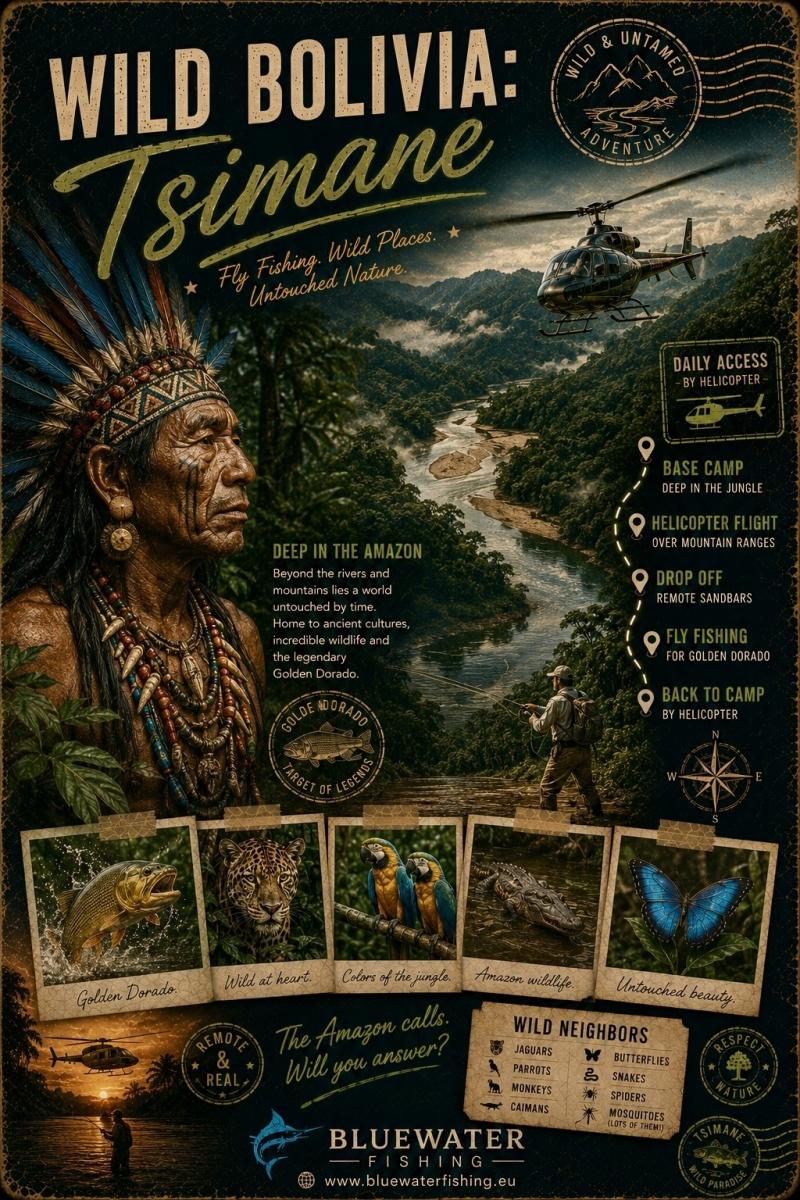
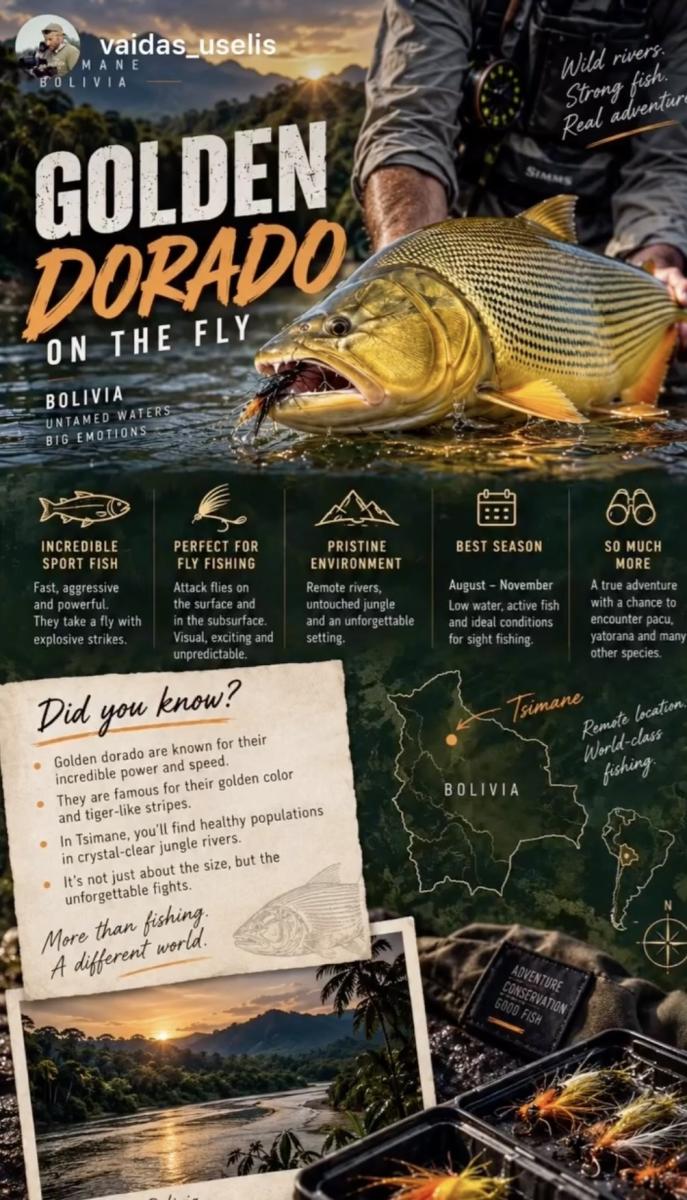
Chasing Golden Dorado by Helicopter
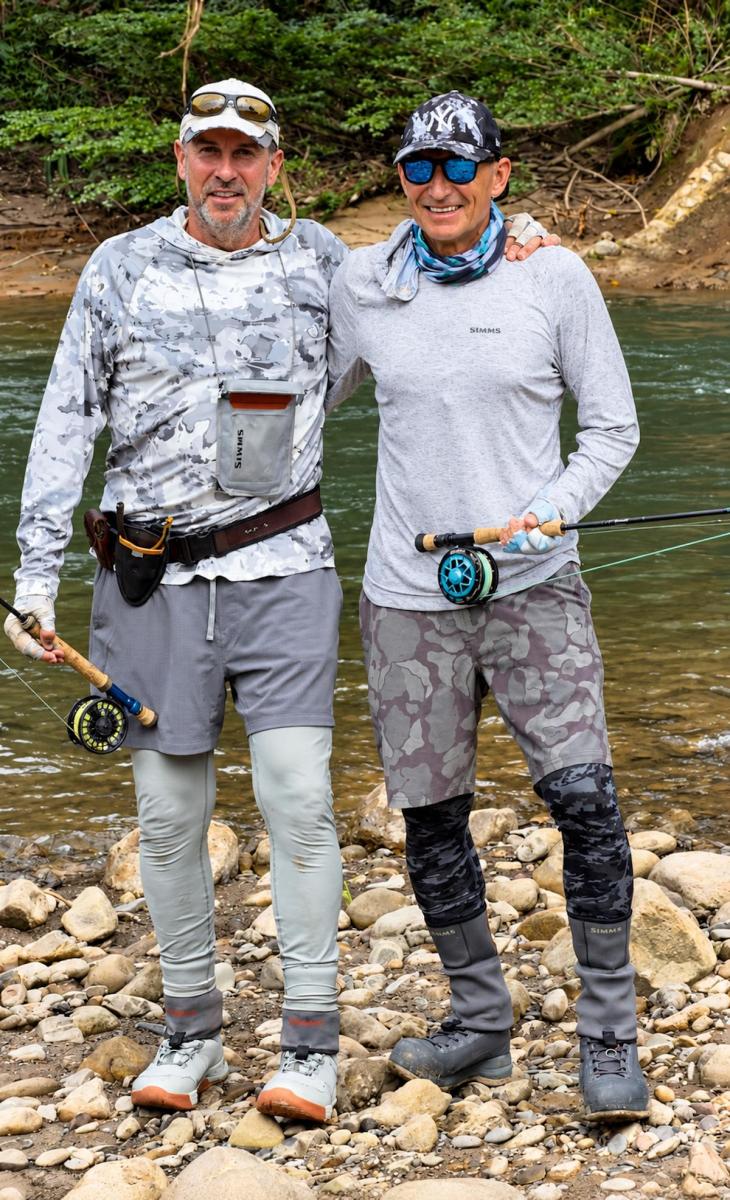
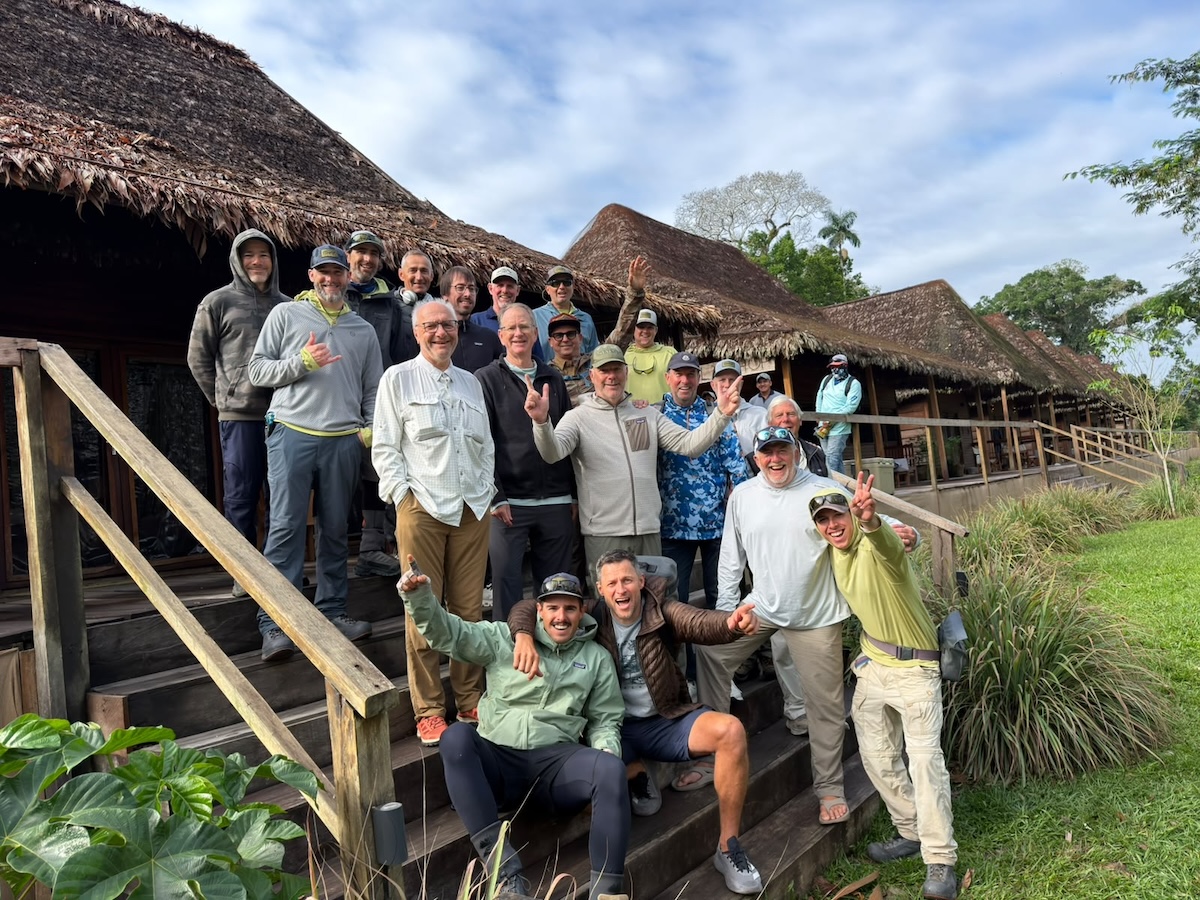
For the third time, my journey took me back to Bolivia – and back to Tsimane, one of the wildest and most pristine regions I have ever had the privilege to experience. This time, our group consisted of ten fly fishermen from five different countries. We all had the same goal: chasing Golden Dorado on the fly. But anyone who has been to Tsimane knows that this trip is about much more than just fishing. The remoteness, the jungle, the wildlife, the rivers and, not least, the unpredictability of nature turn every journey here into a true adventure. And once again, Tsimane was about to remind us who really makes the rules out here.
Deep into the Bolivian Jungle
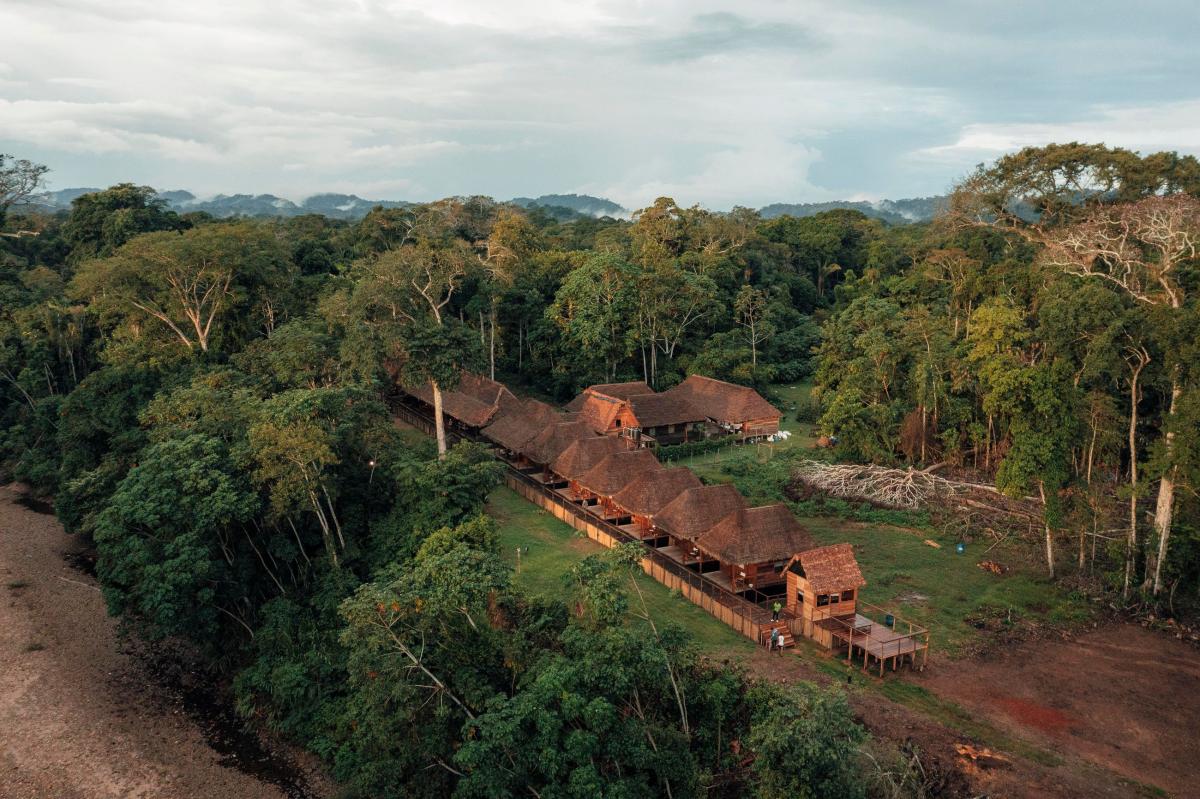
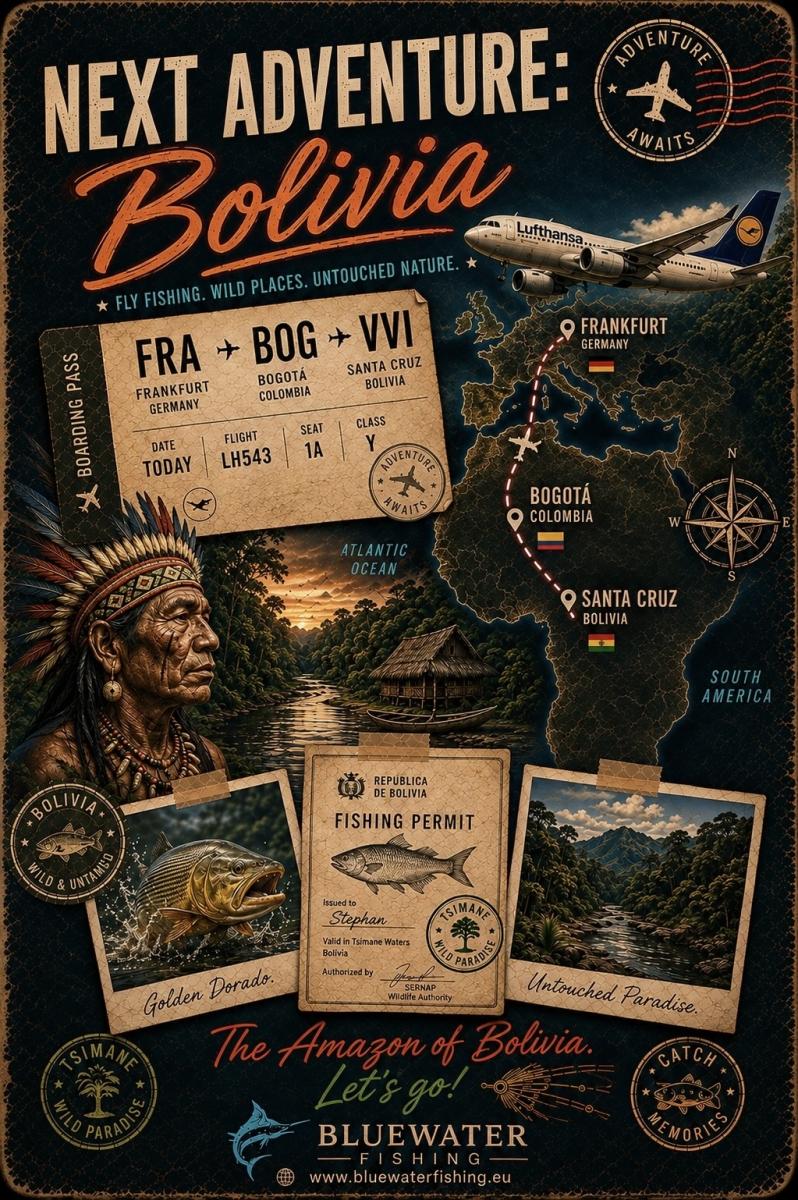
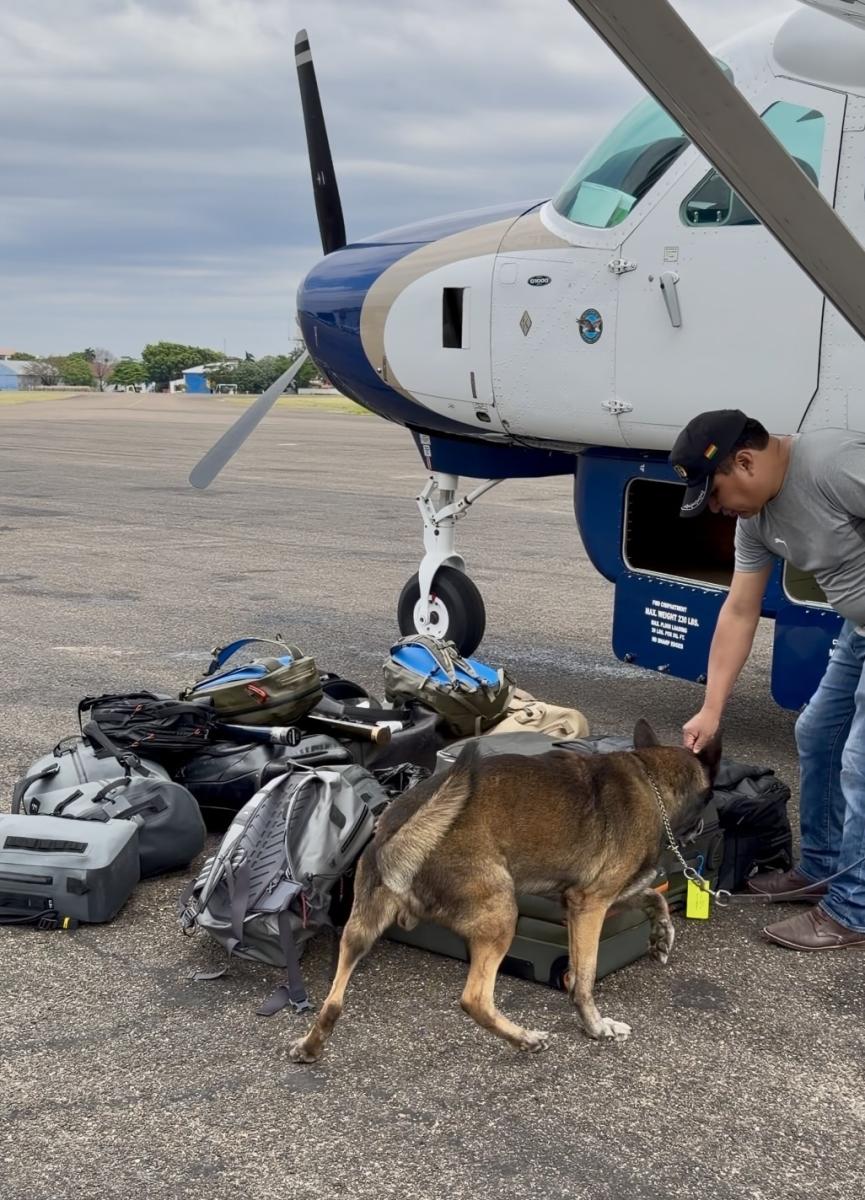
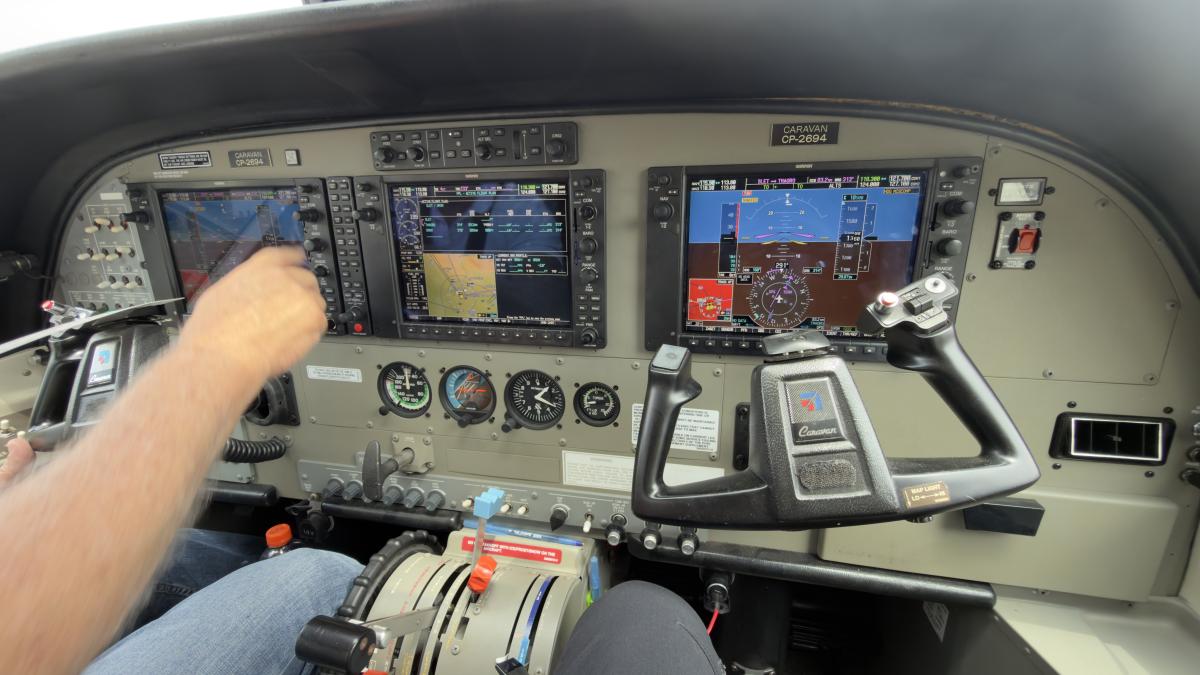
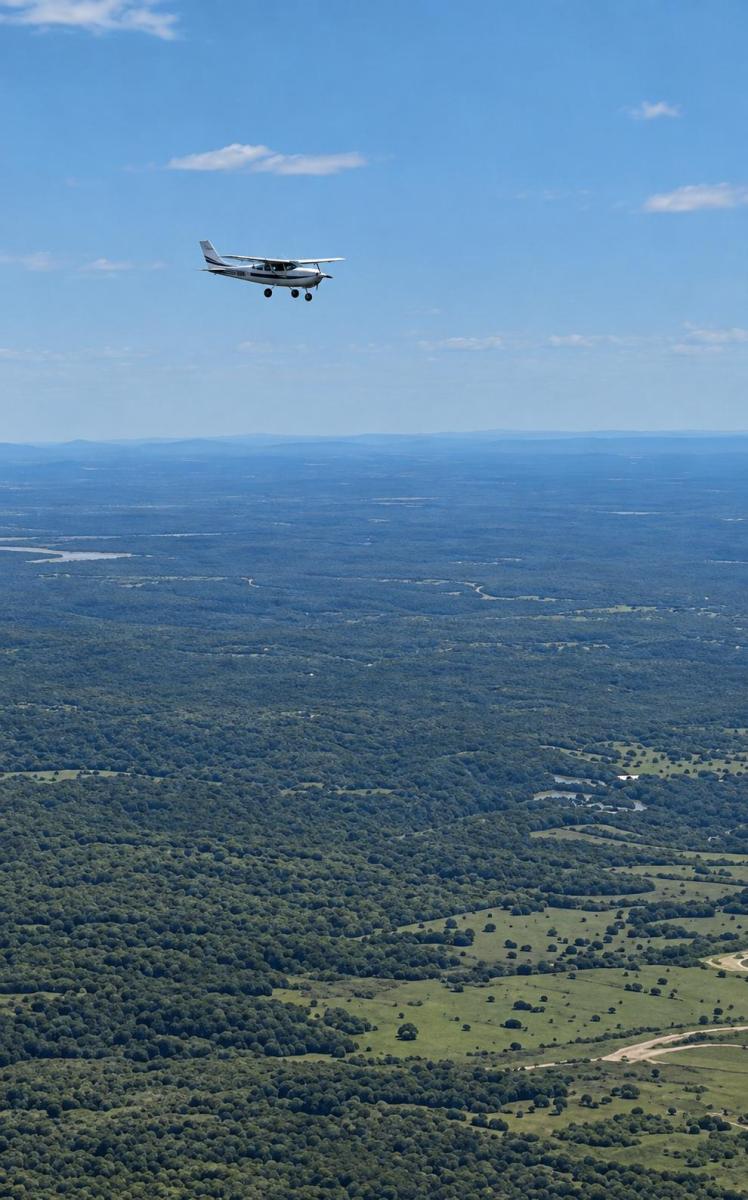
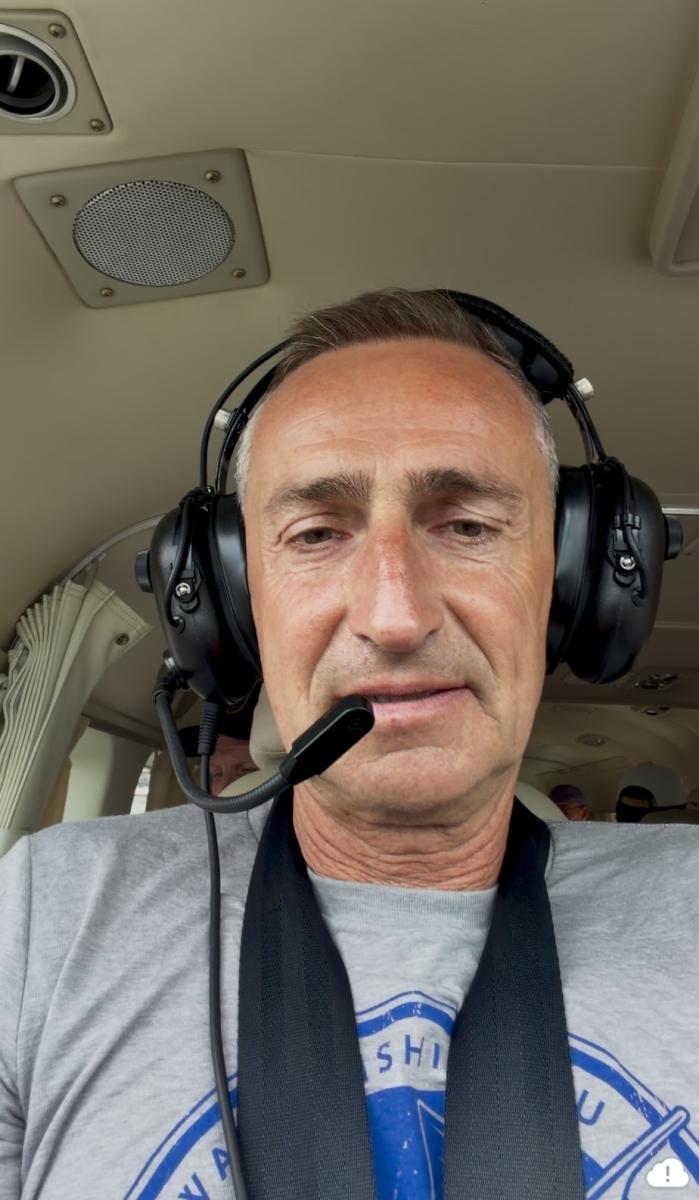
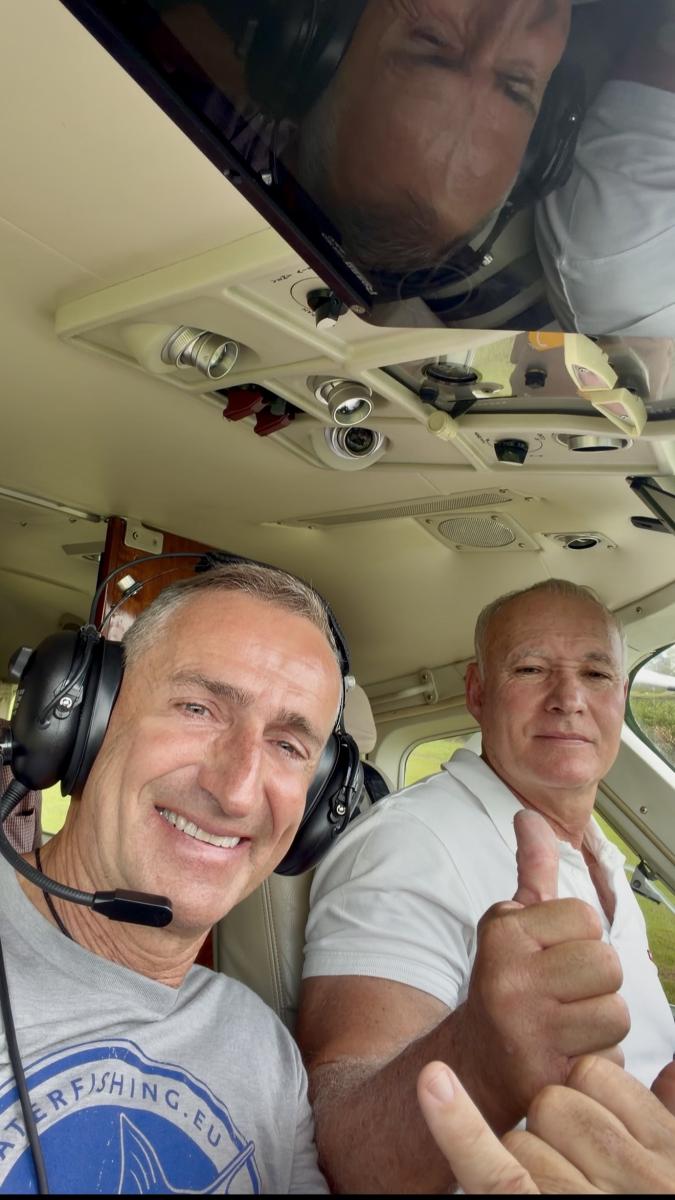
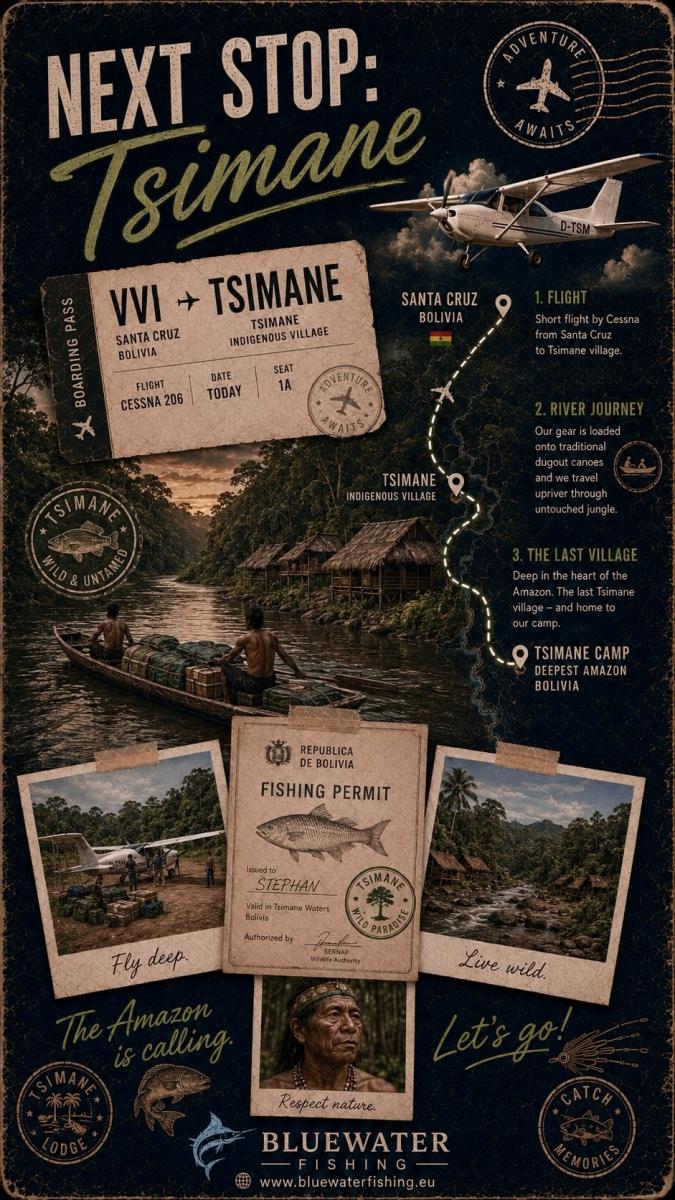
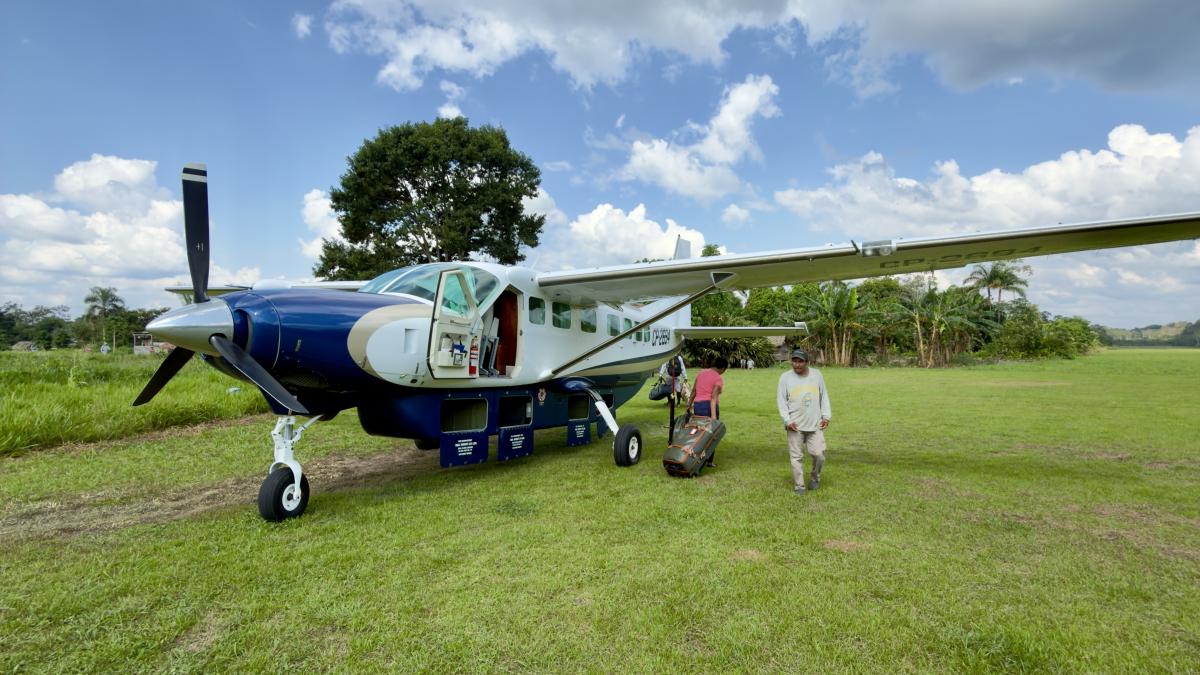
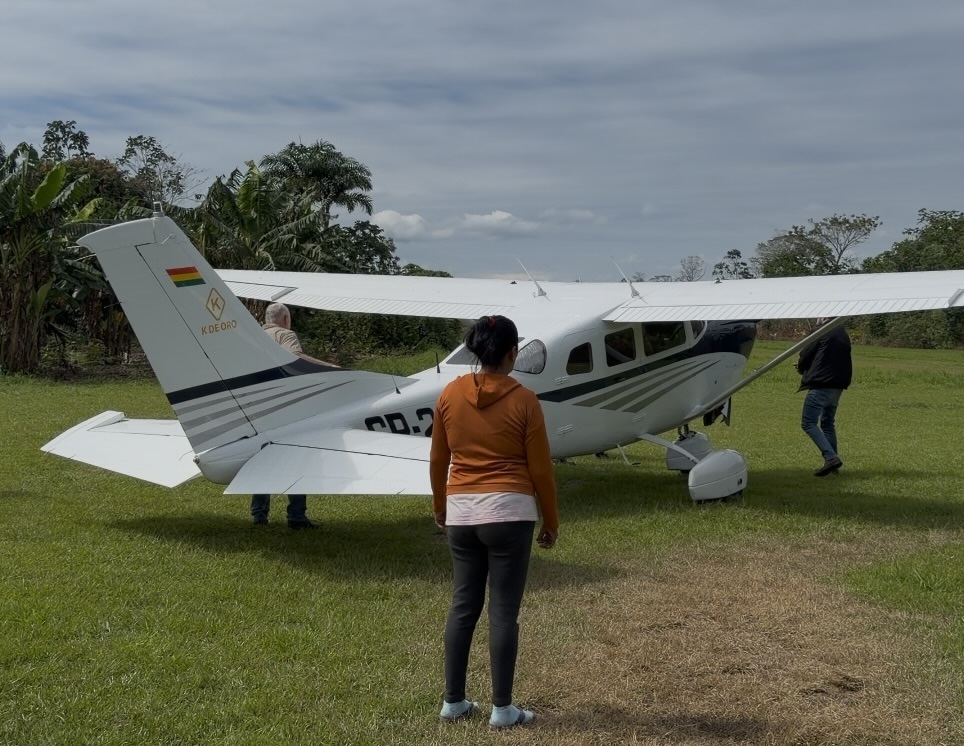
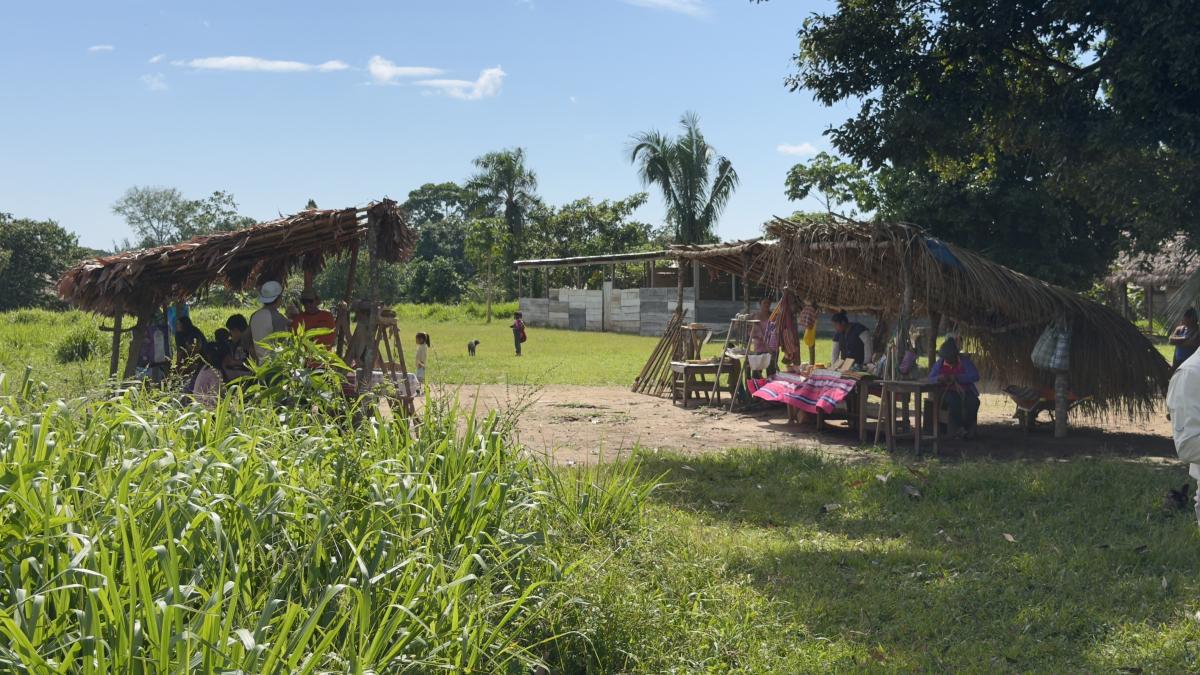
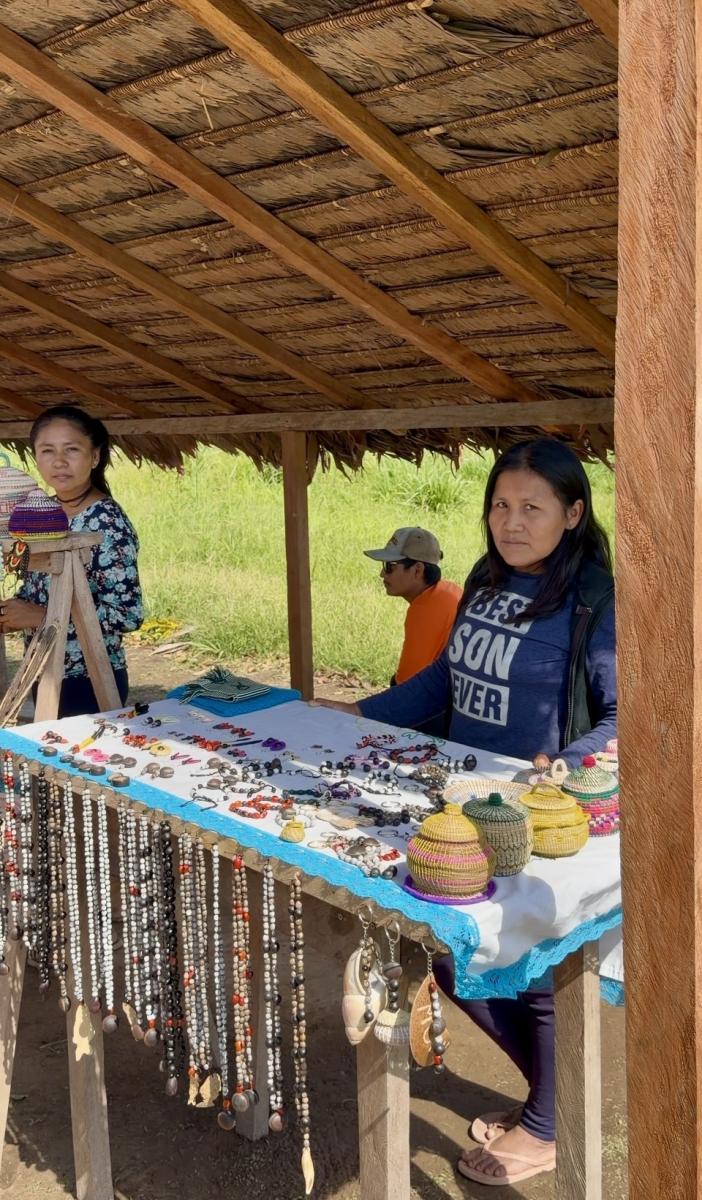
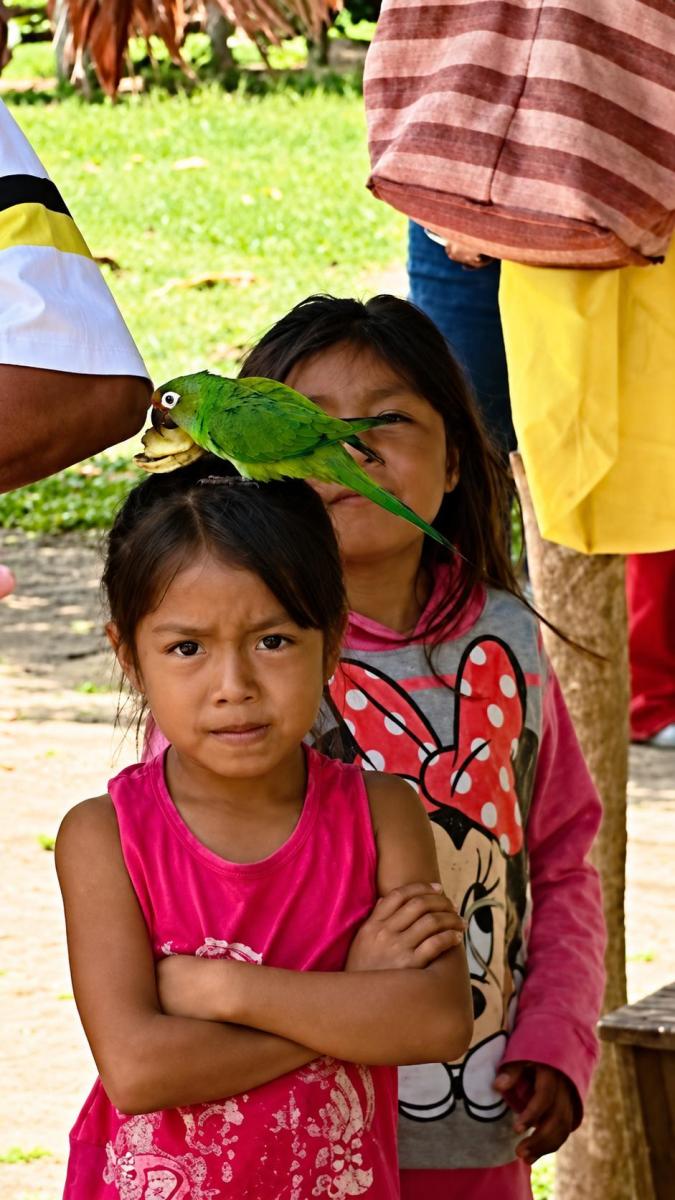
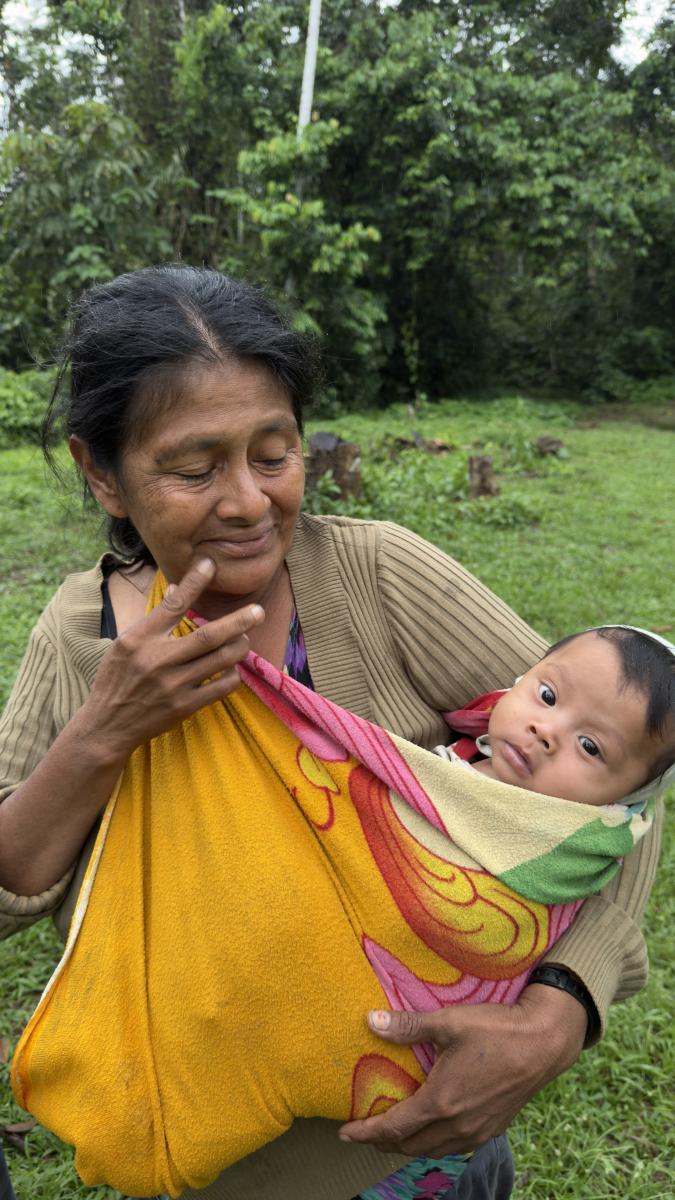
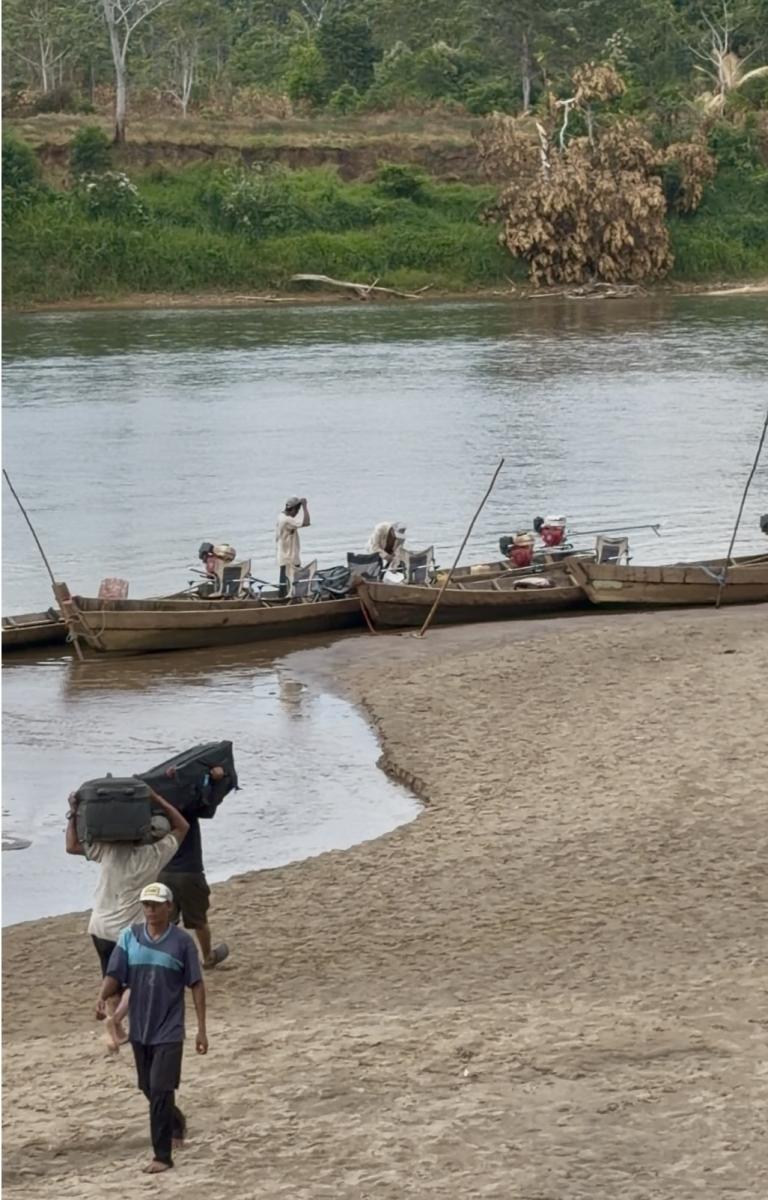
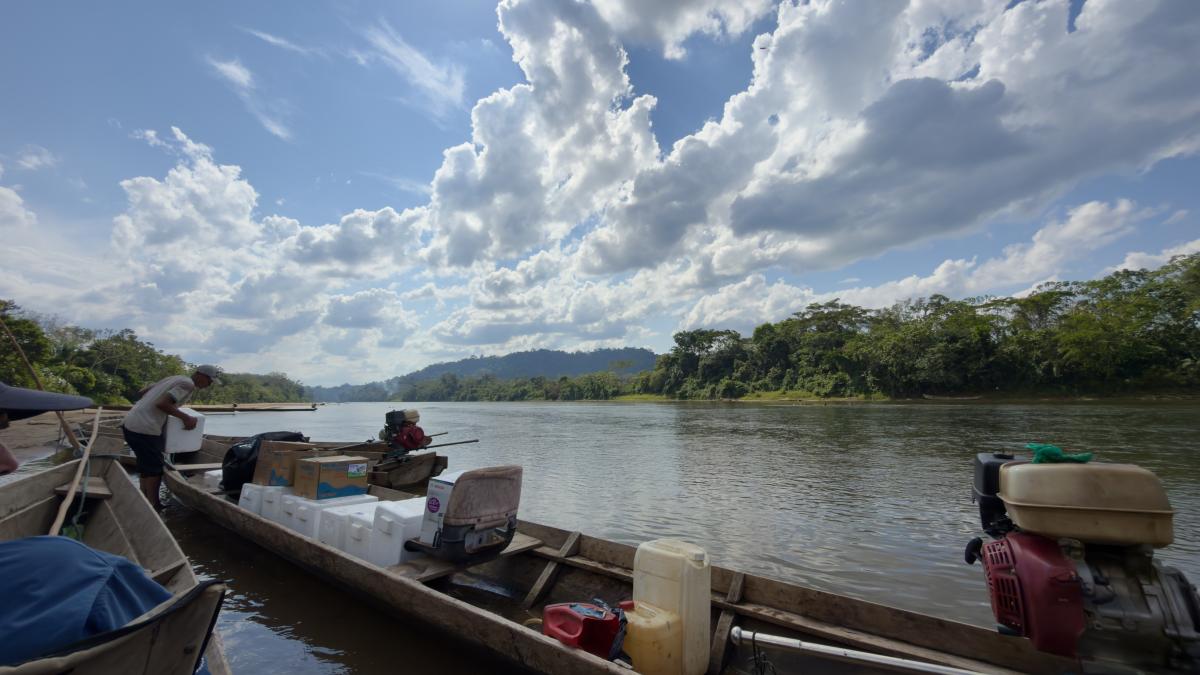
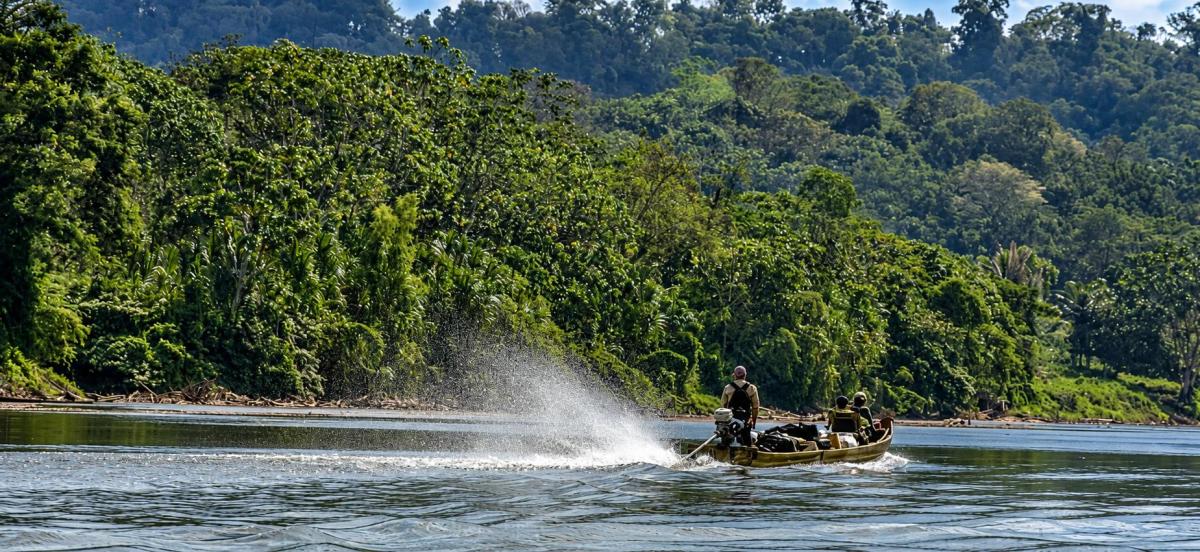
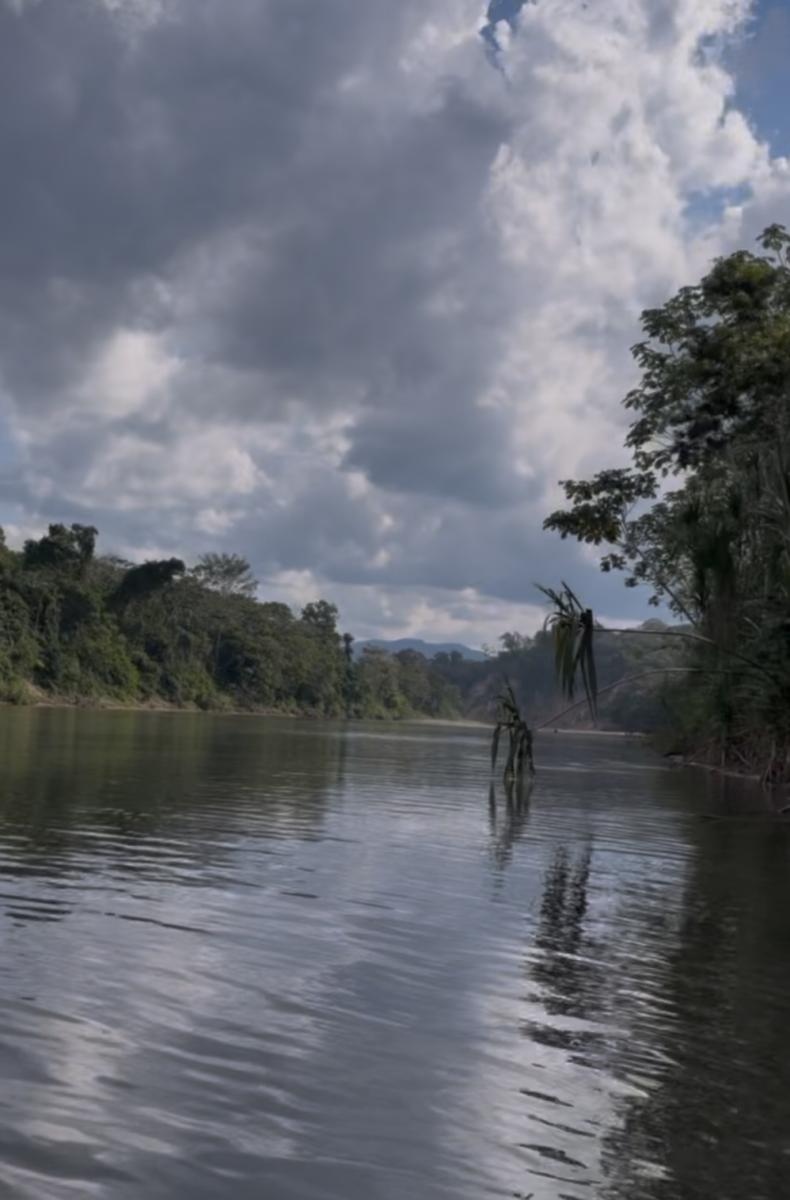
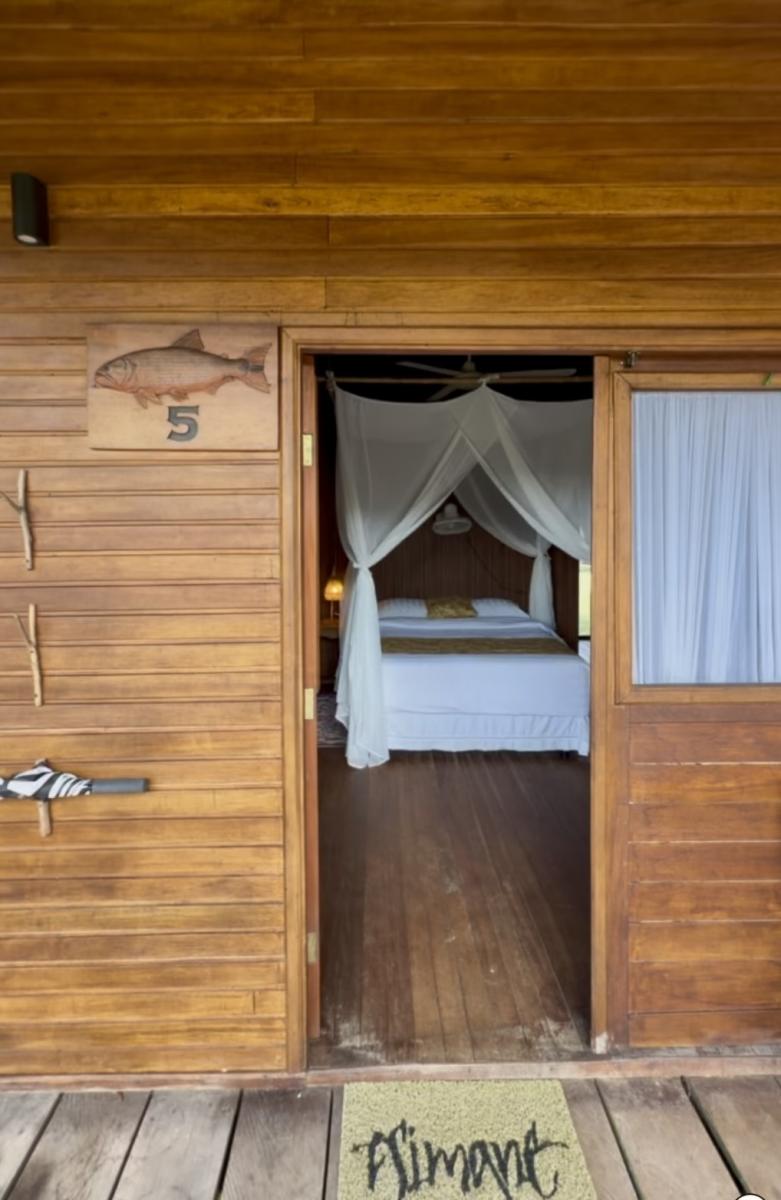
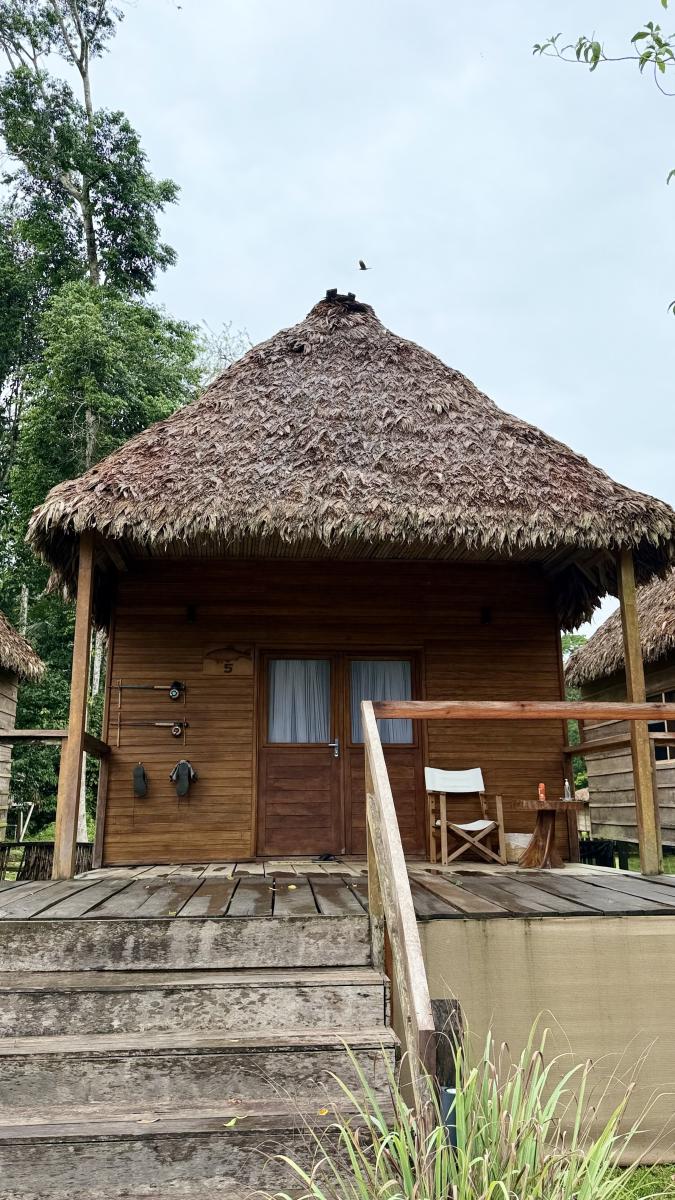
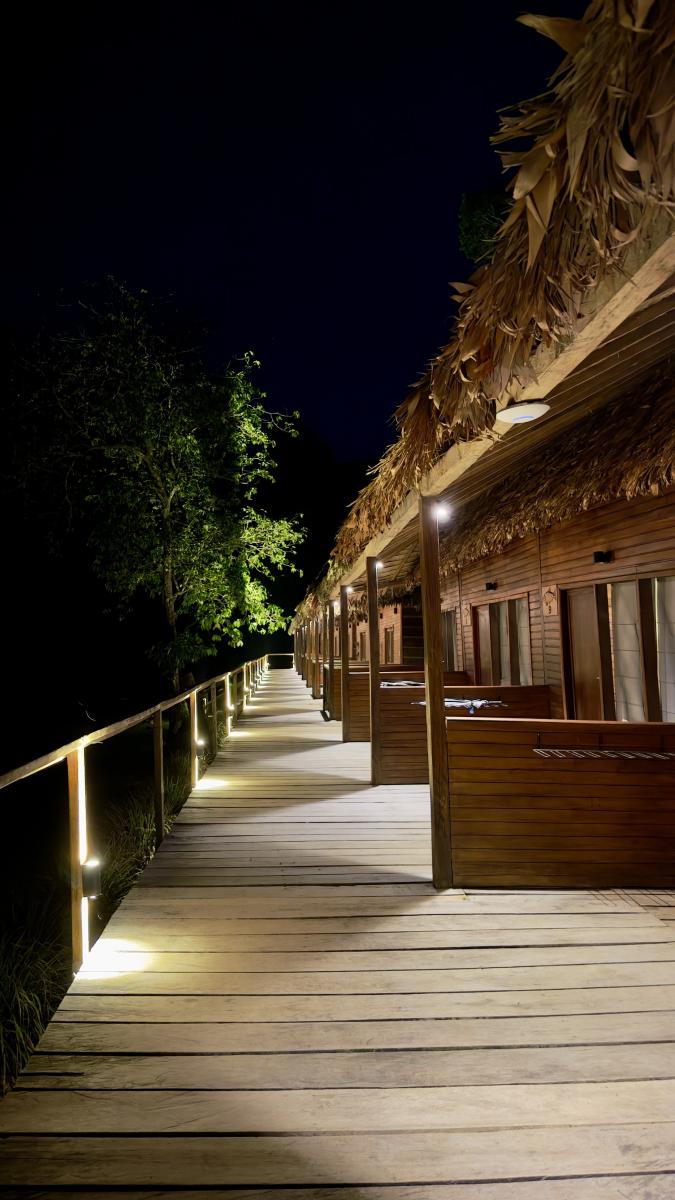
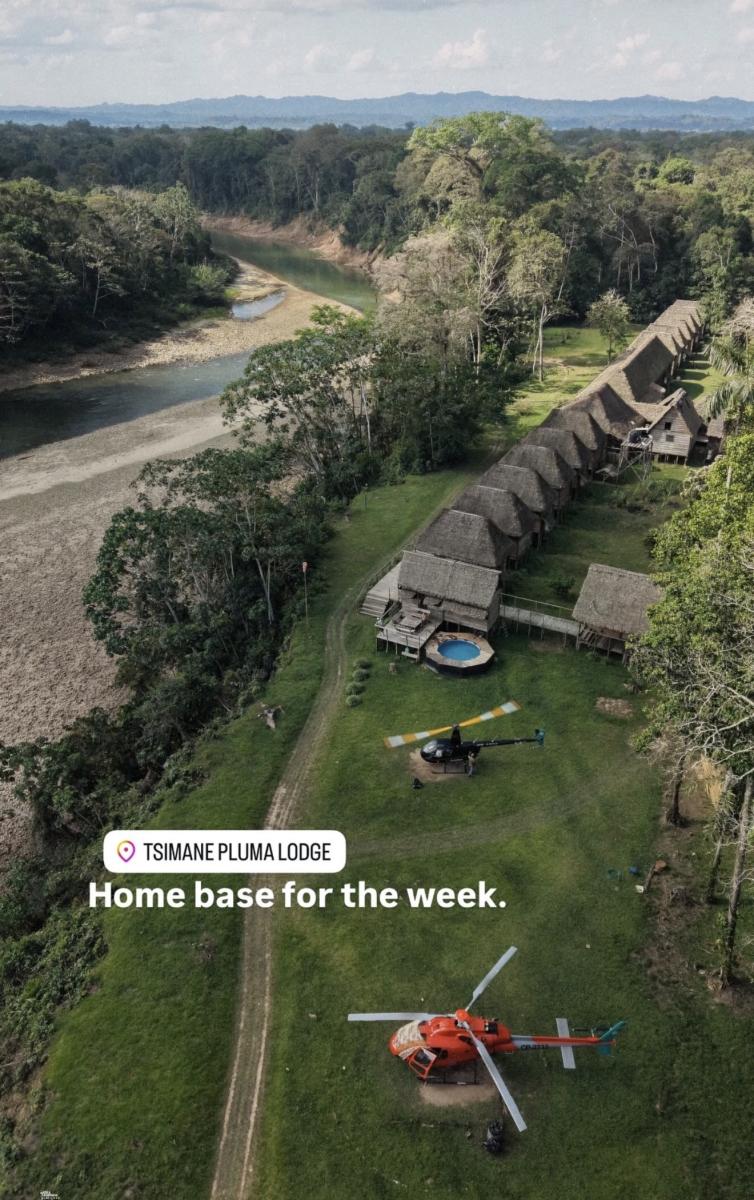
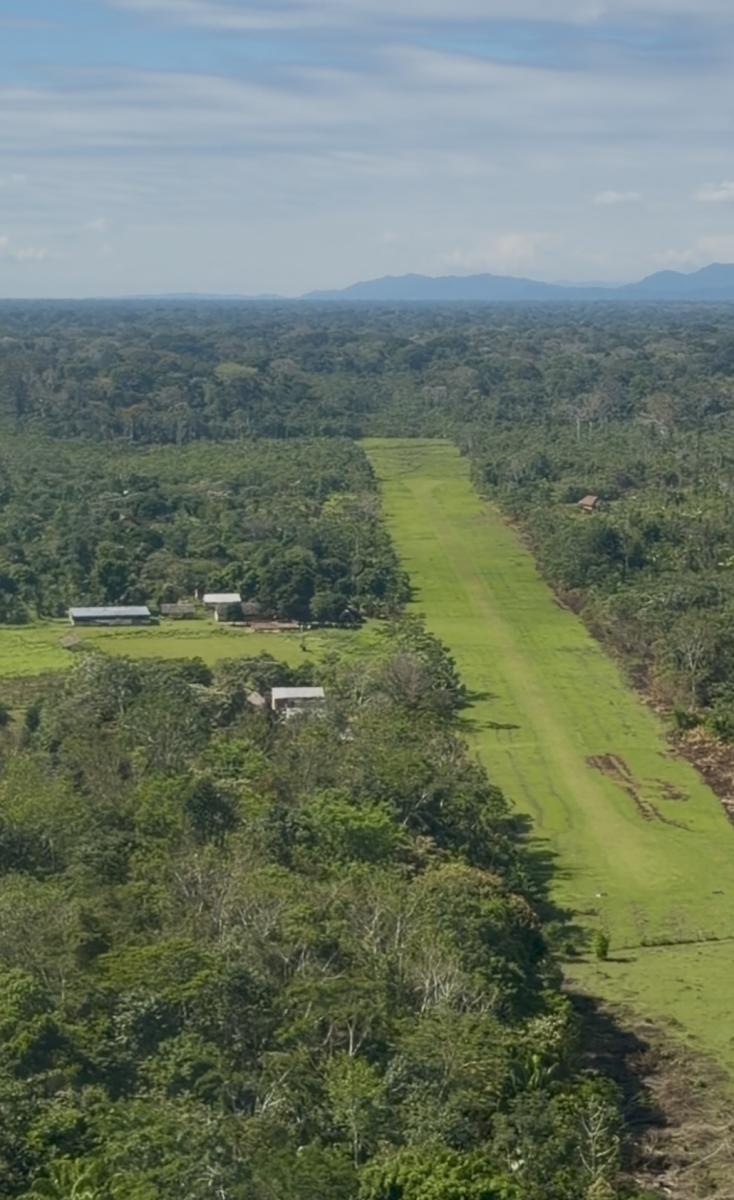
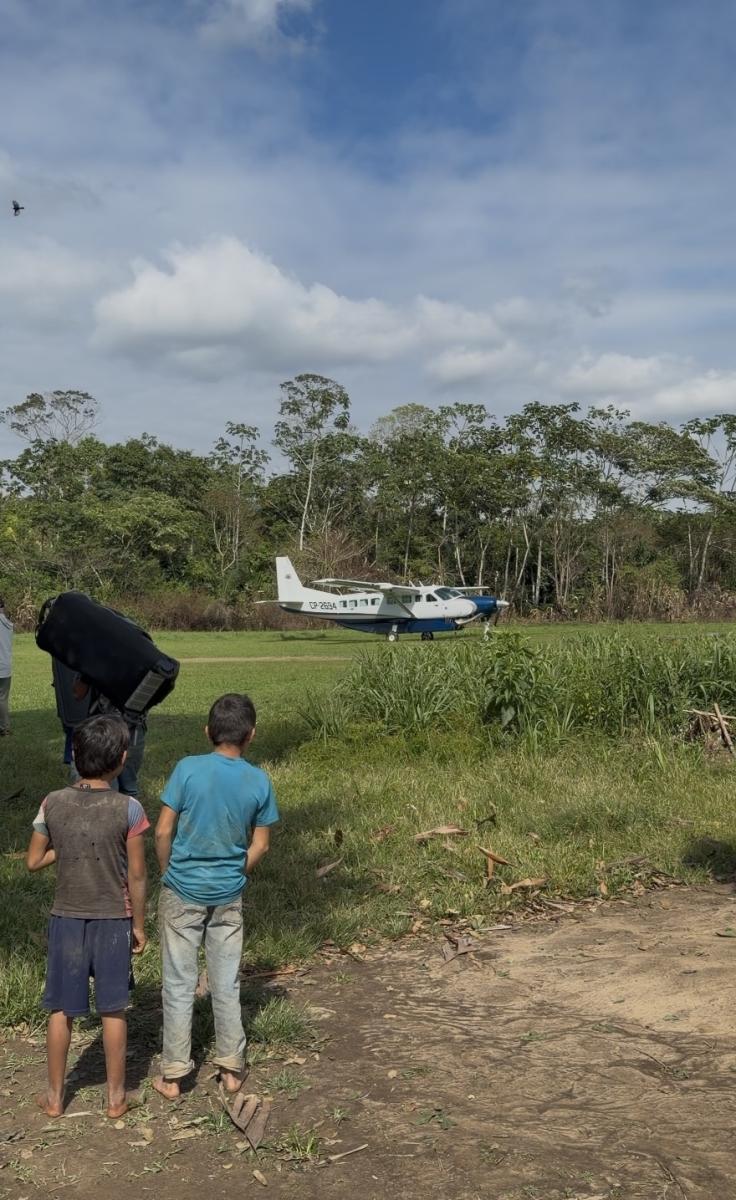
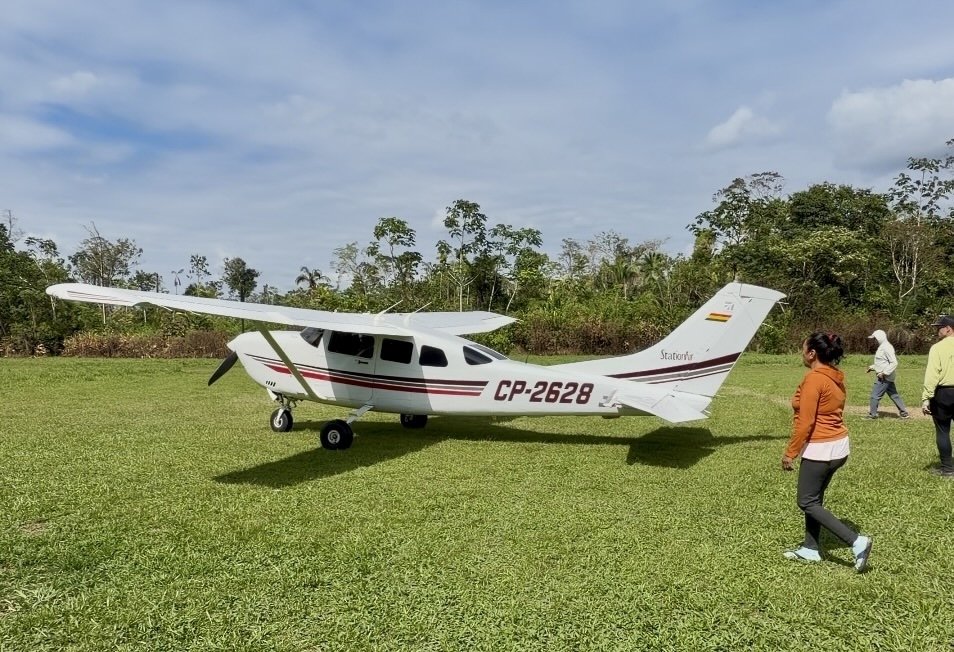
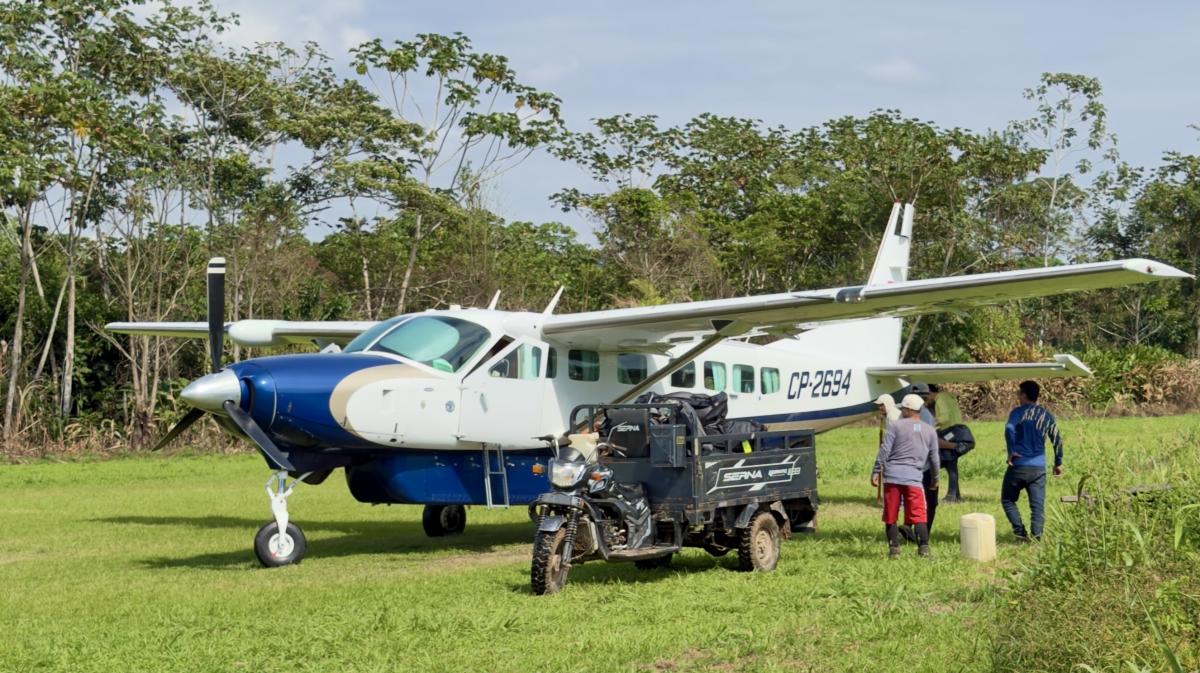
Our journey took us from Frankfurt via Bogotá to Santa Cruz, Bolivia. After an overnight stay, we set off the following morning on the next leg of our adventure: a nearly two-hour flight in a small Cessna deep into the Bolivian jungle. After landing in a remote indigenous village, our entire luggage was immediately loaded into traditional dugout canoes. From there, we continued for another hour upstream, heading deeper and deeper into the rainforest until we finally reached our lodge. Once there, it was time to unpack and prepare our tackle for the following morning. Our target was Golden Dorado, and over the coming days two helicopters would take us to some of the most remote stretches of river in the entire region.




Change in the weather
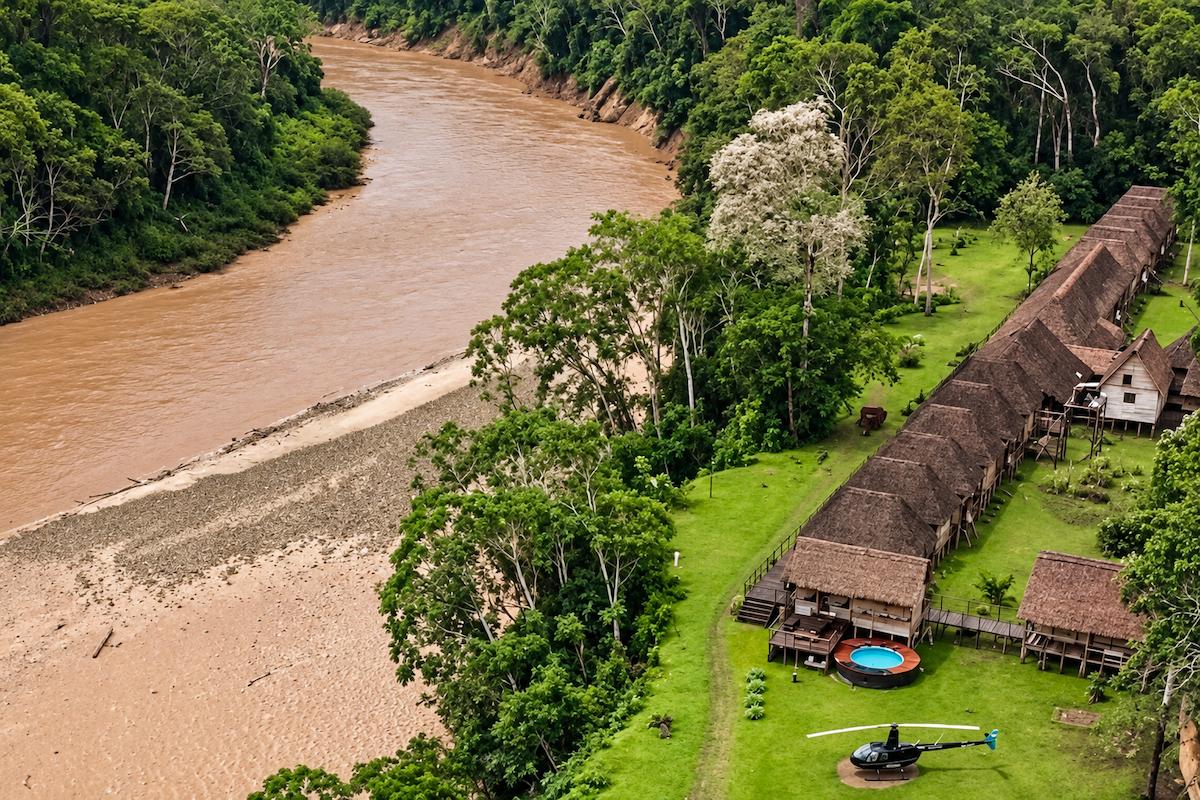
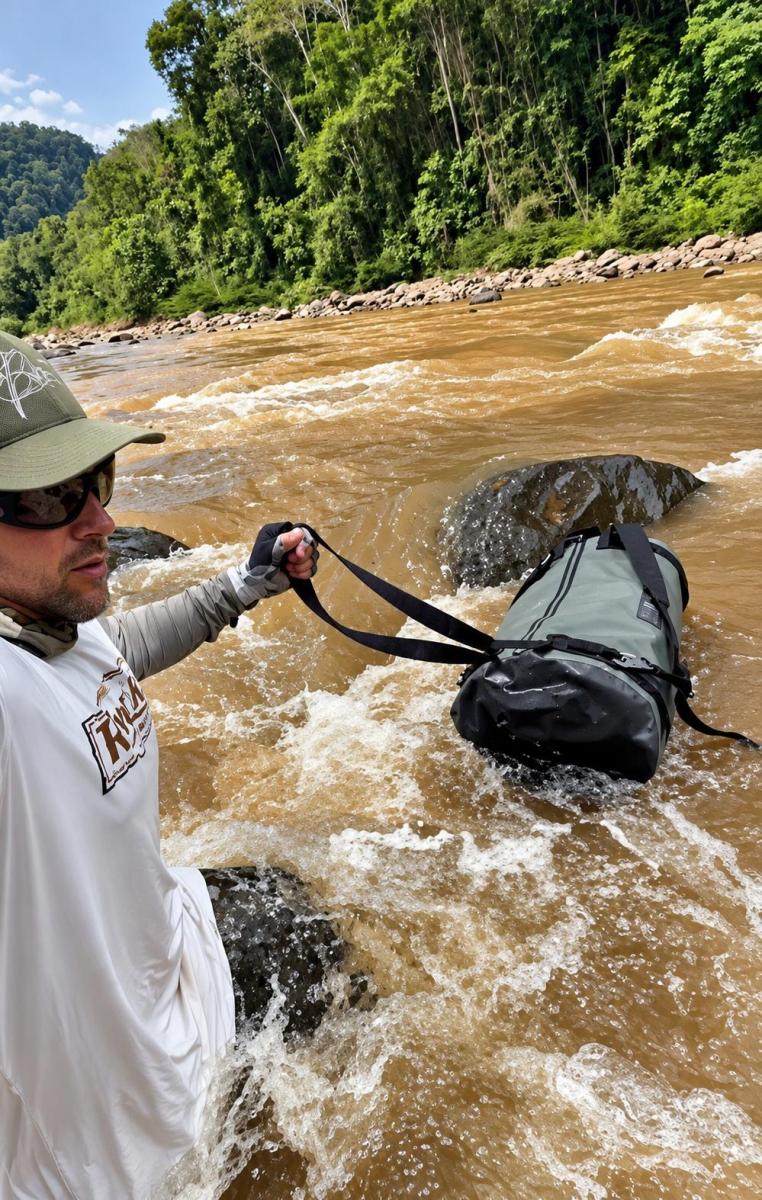
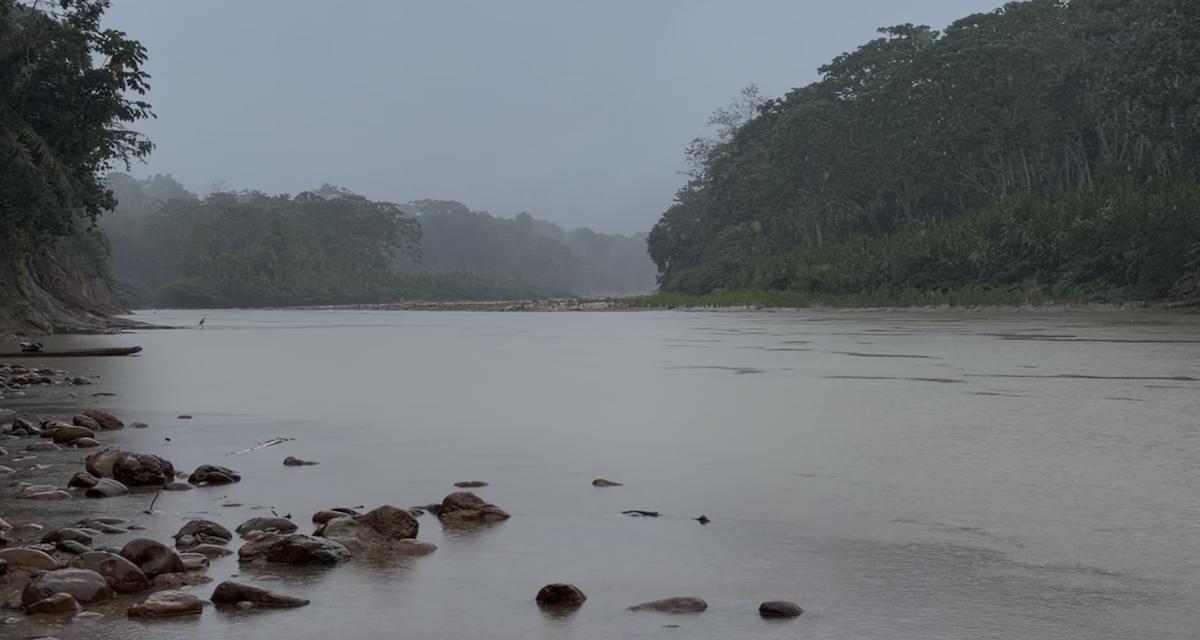
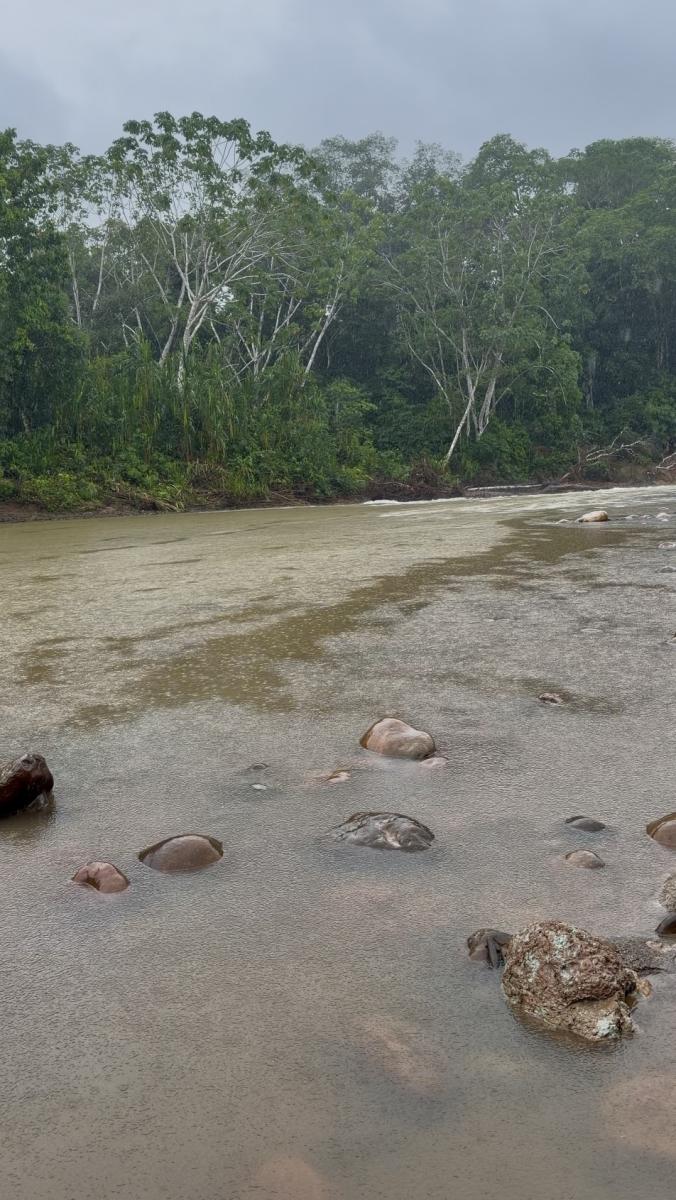
When we arrived, the temperature was around 35°C. But during our very first night, we got an immediate taste of just how quickly conditions can change in the jungle. A severe thunderstorm brought heavy rainfall, and by the following morning the temperature had dropped to just 16°C. The river had also risen dramatically overnight and was running in full flood. Our first fishing day was literally washed out.
El Niño had a major influence on weather patterns across many parts of the world this year, and during our stay in Bolivia we experienced these extremes first-hand. Rapid temperature changes, severe thunderstorms and huge amounts of rainfall could transform the conditions within just a few hours. There was nothing we could do but wait.
By Helicopter into the Wilderness
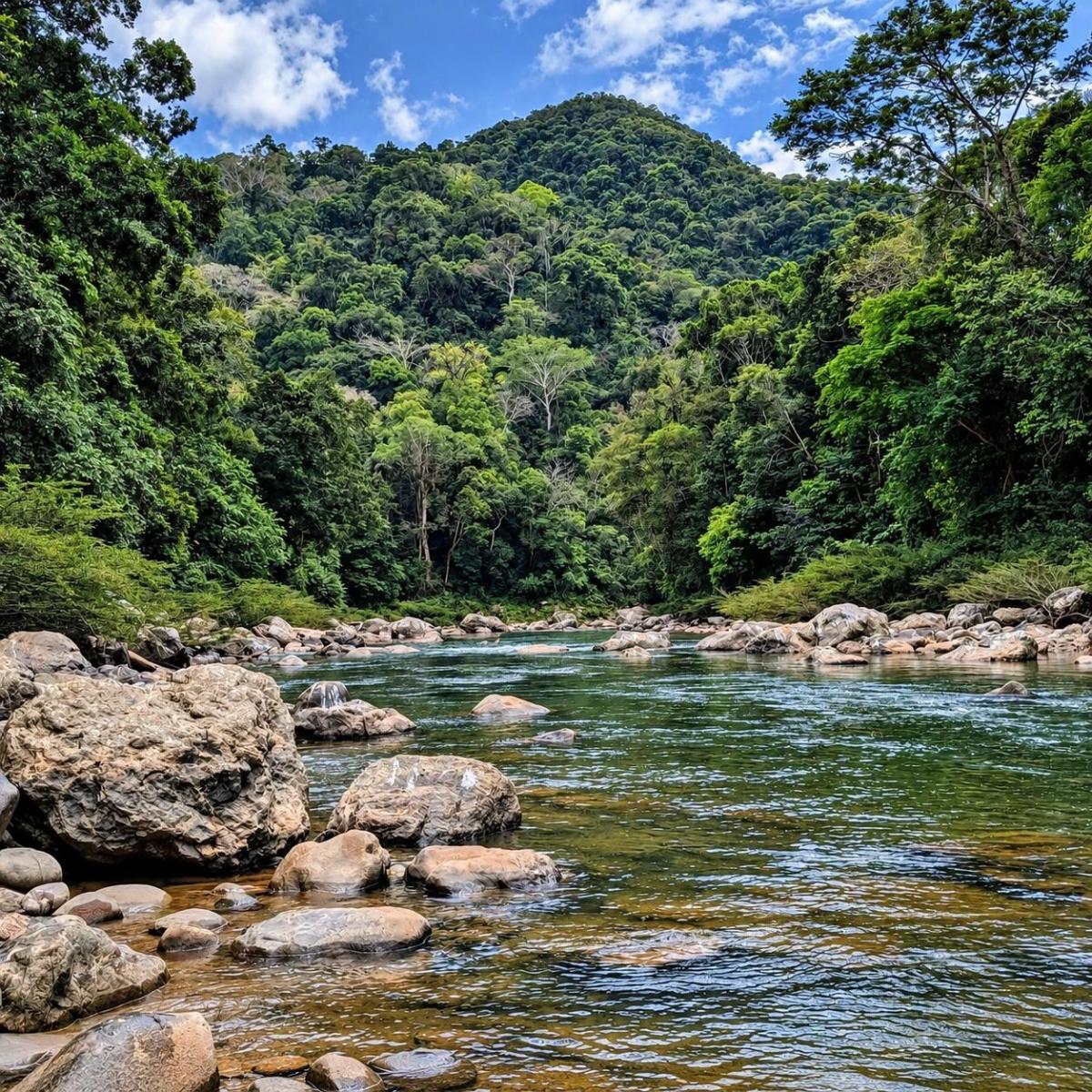
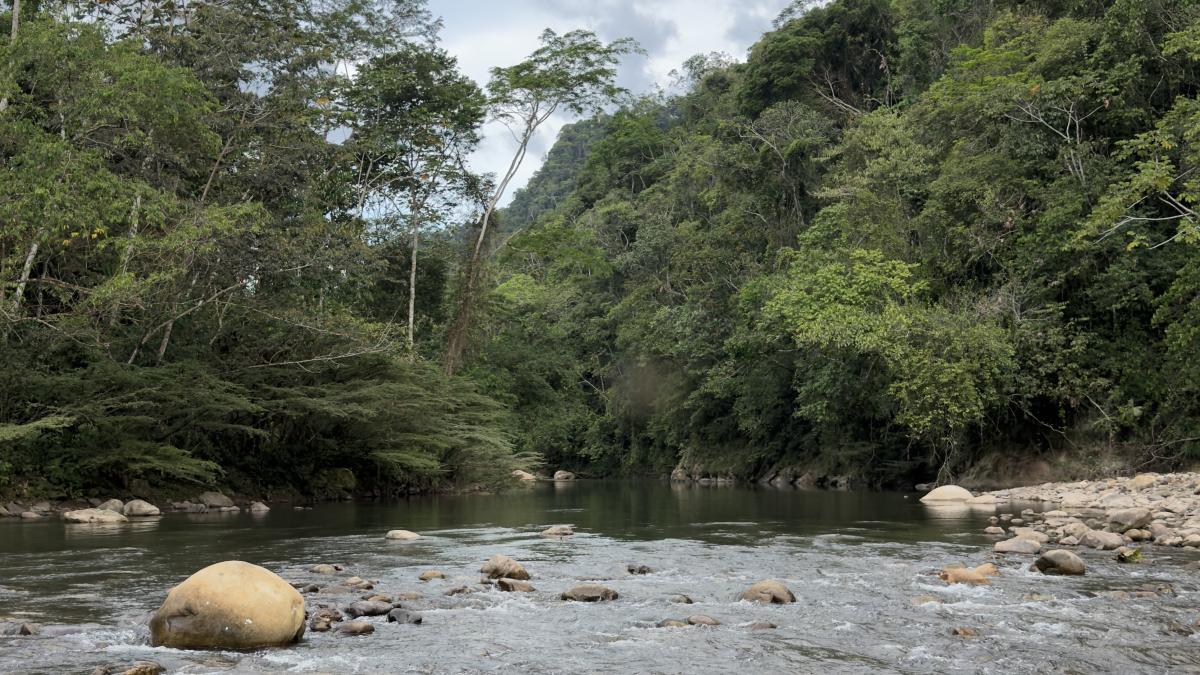
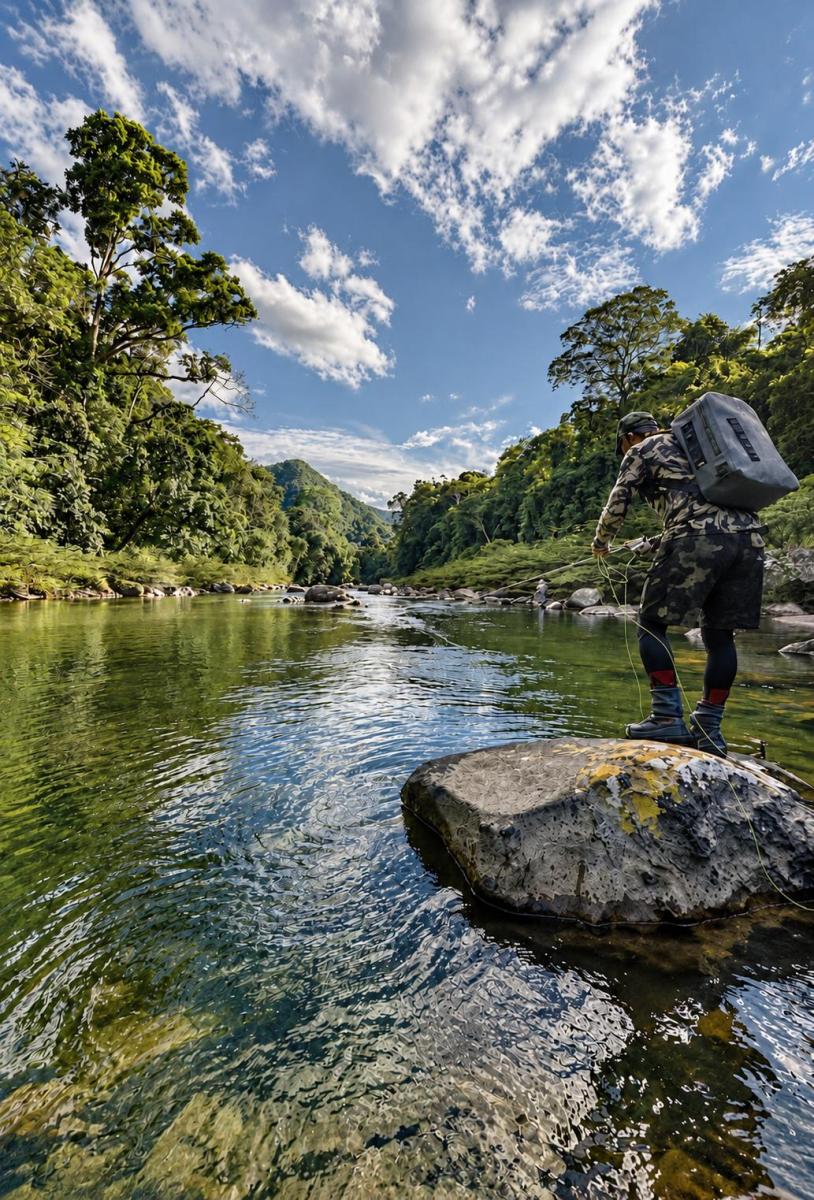
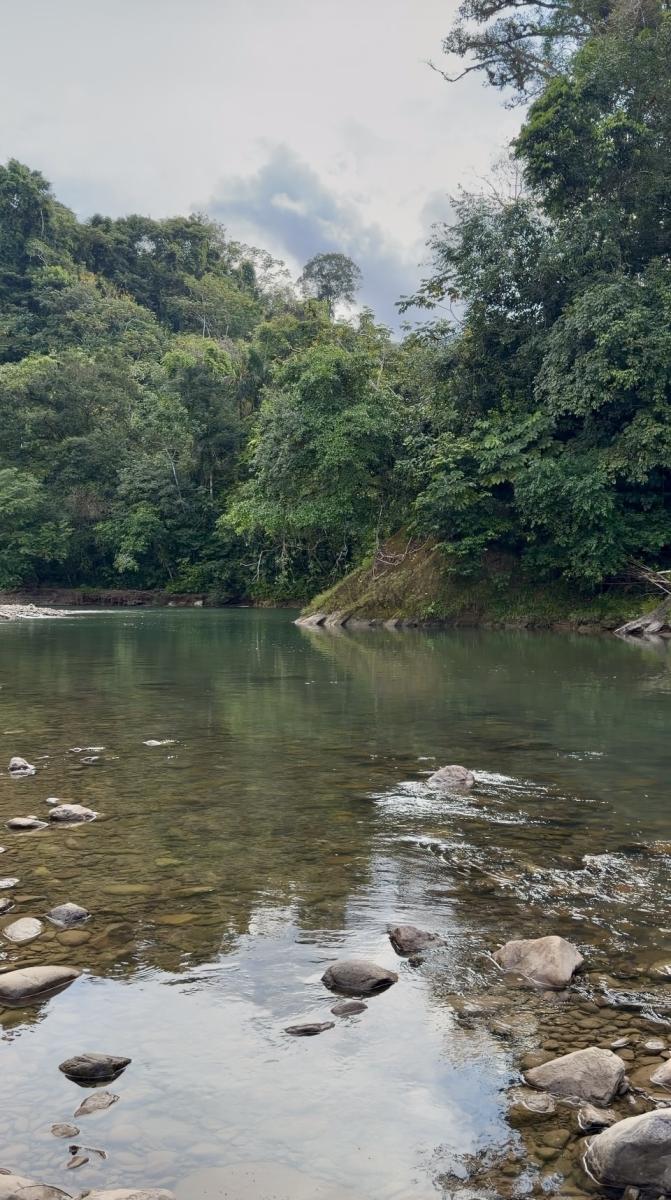
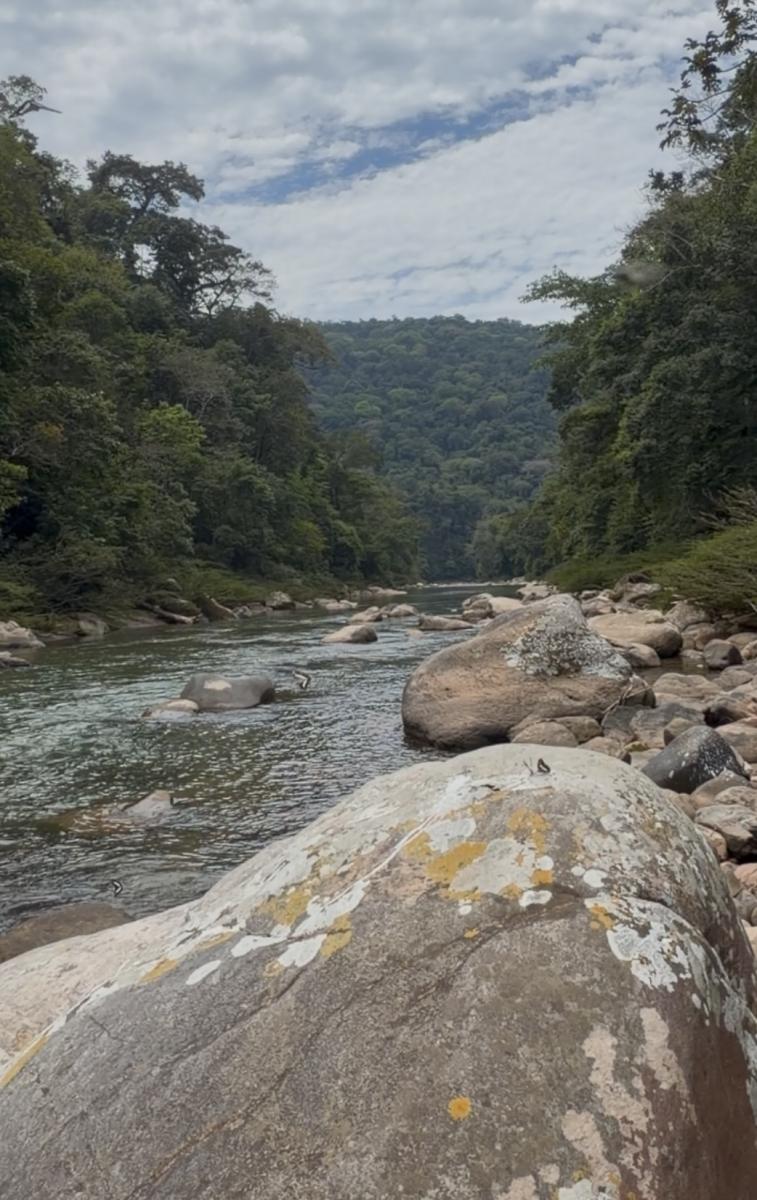
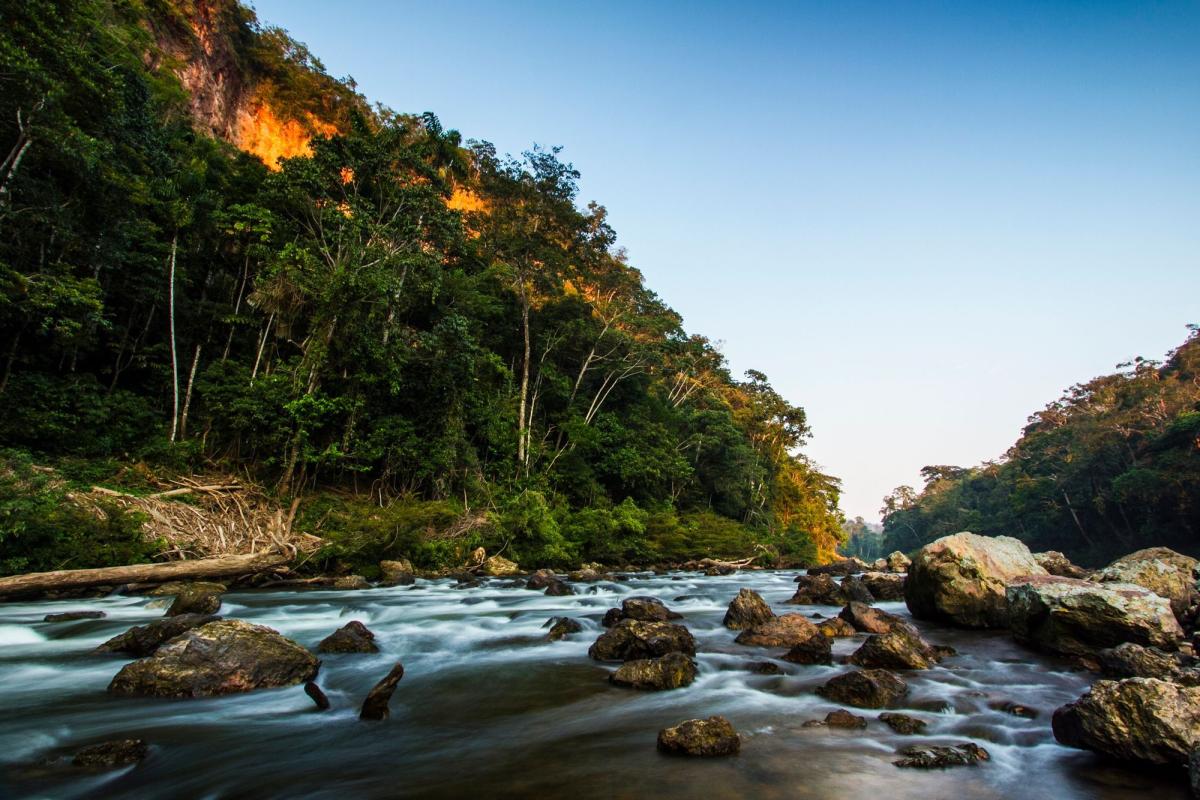
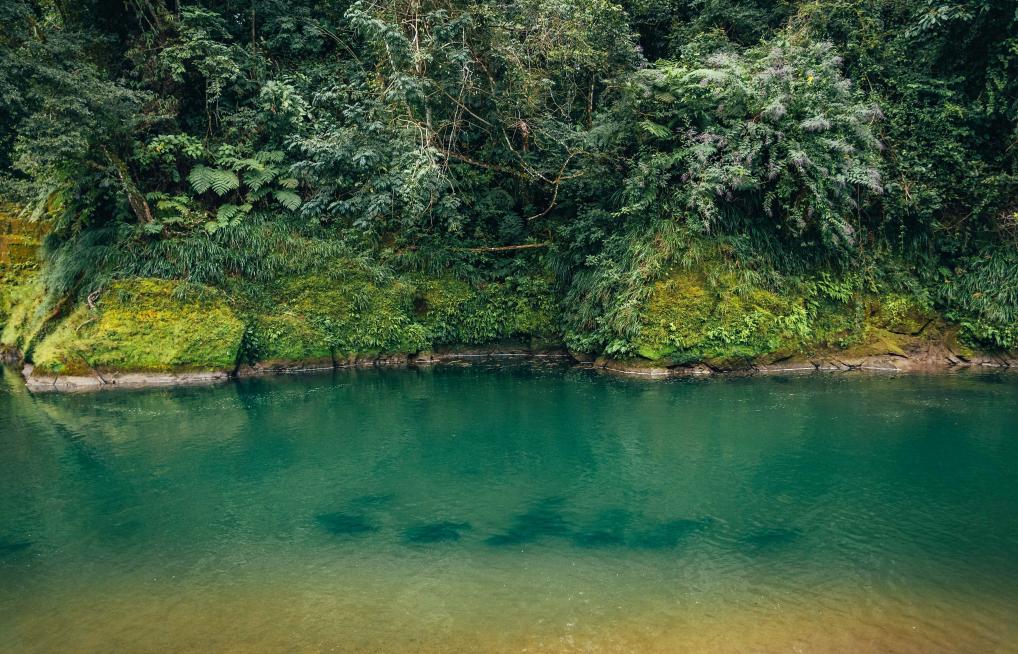
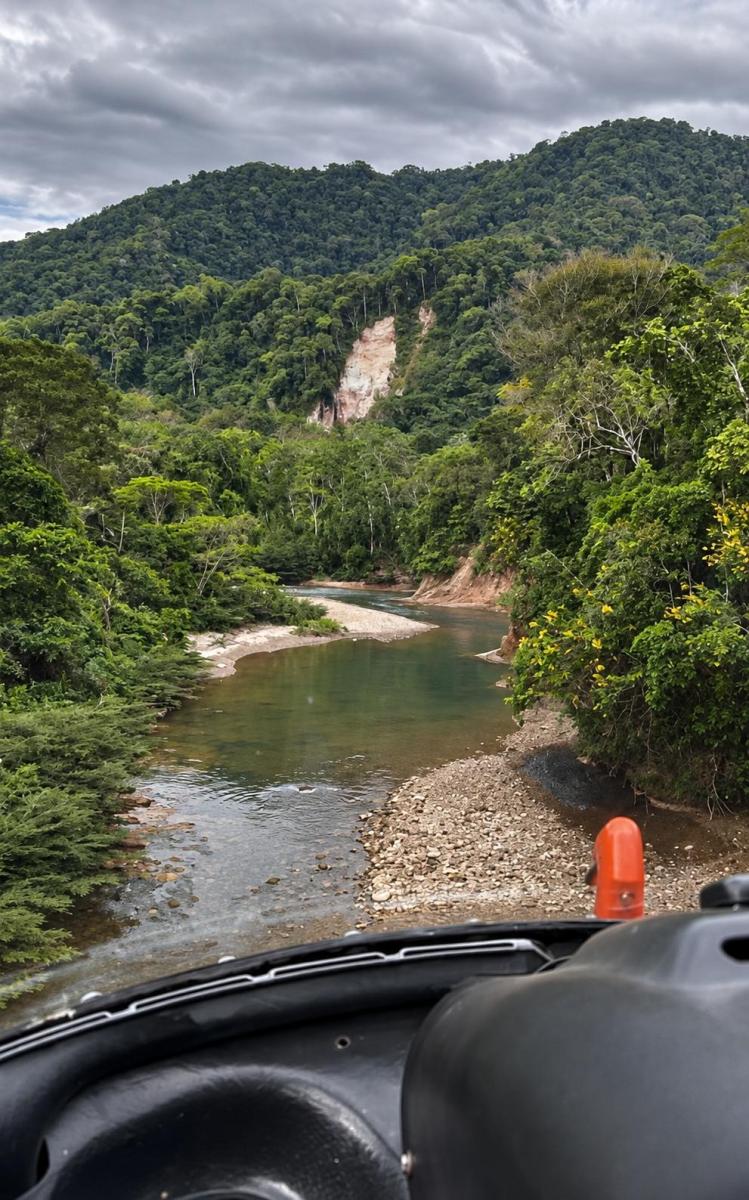
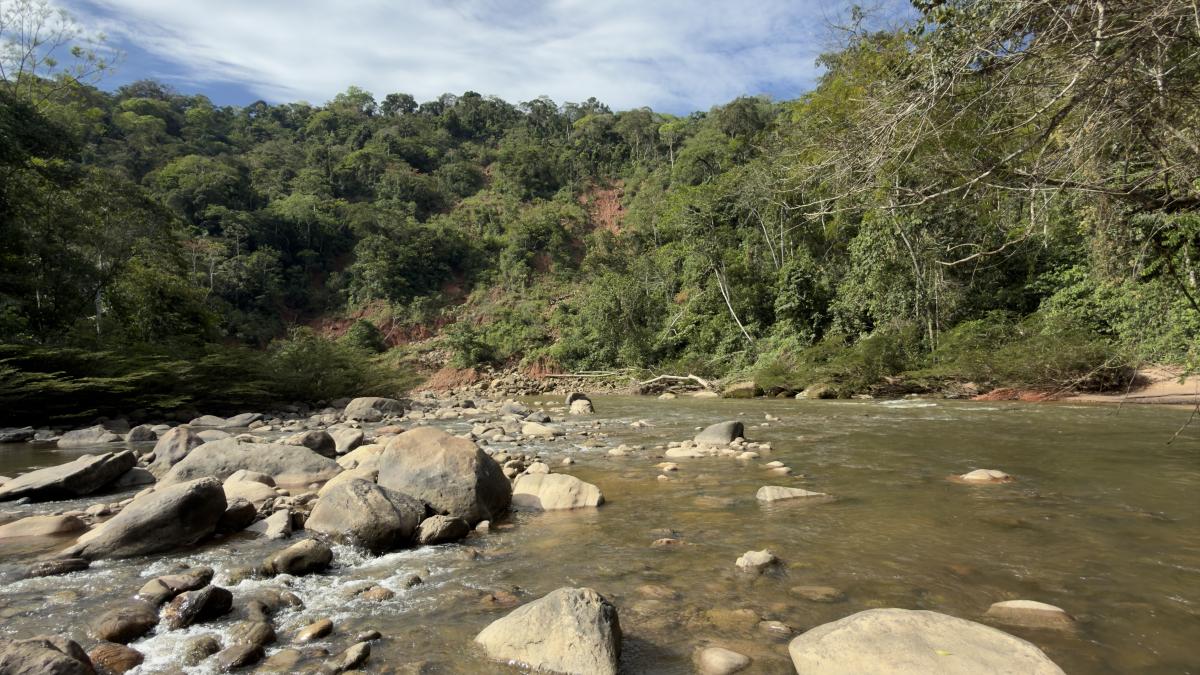
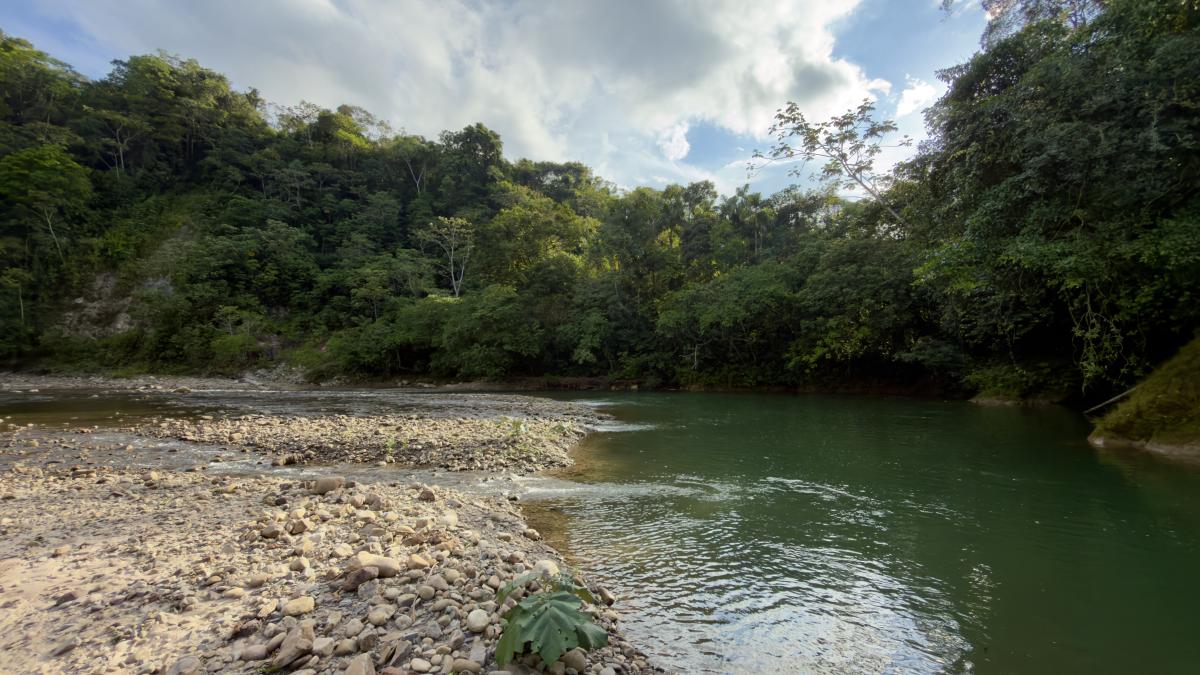
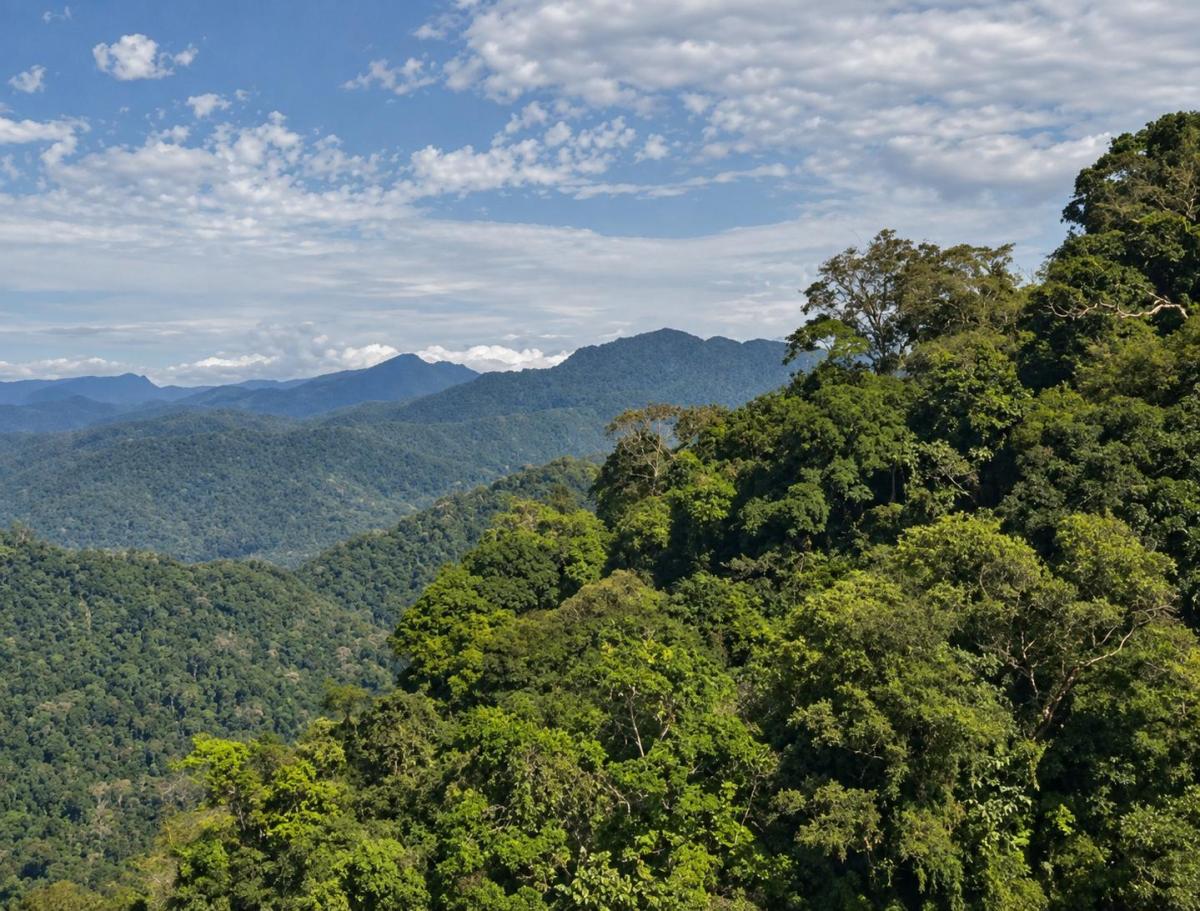
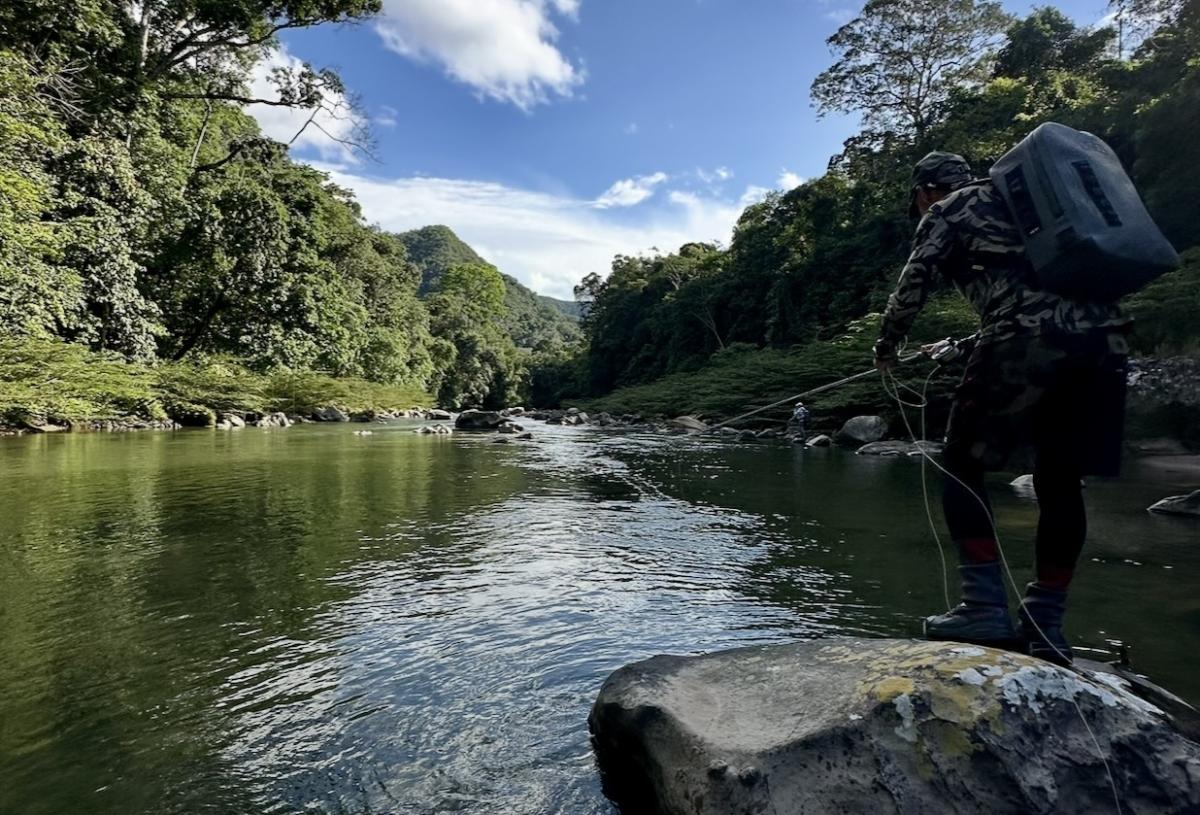
By the following morning, everything looked completely different again. The river had returned to a more normal level, temperatures climbed back above 30°C – and finally our real adventure could begin. What makes Tsimane so special to me is its incredible remoteness. We were fishing in areas far removed from any form of civilization, surrounded by almost untouched wilderness.
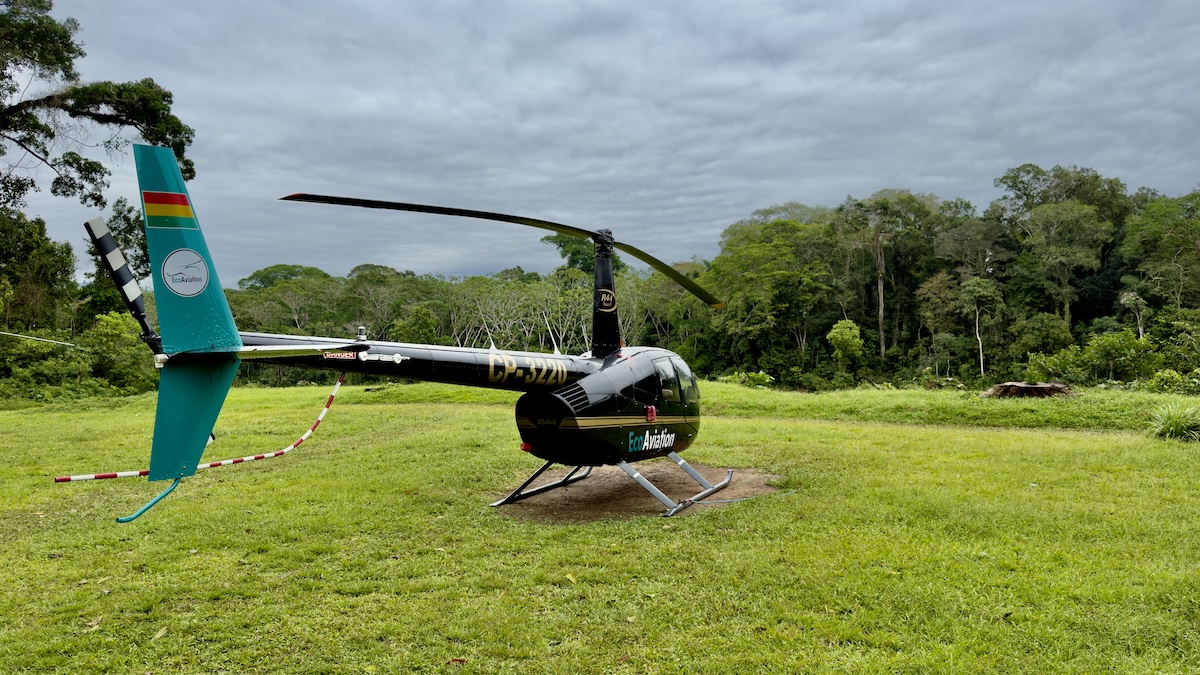
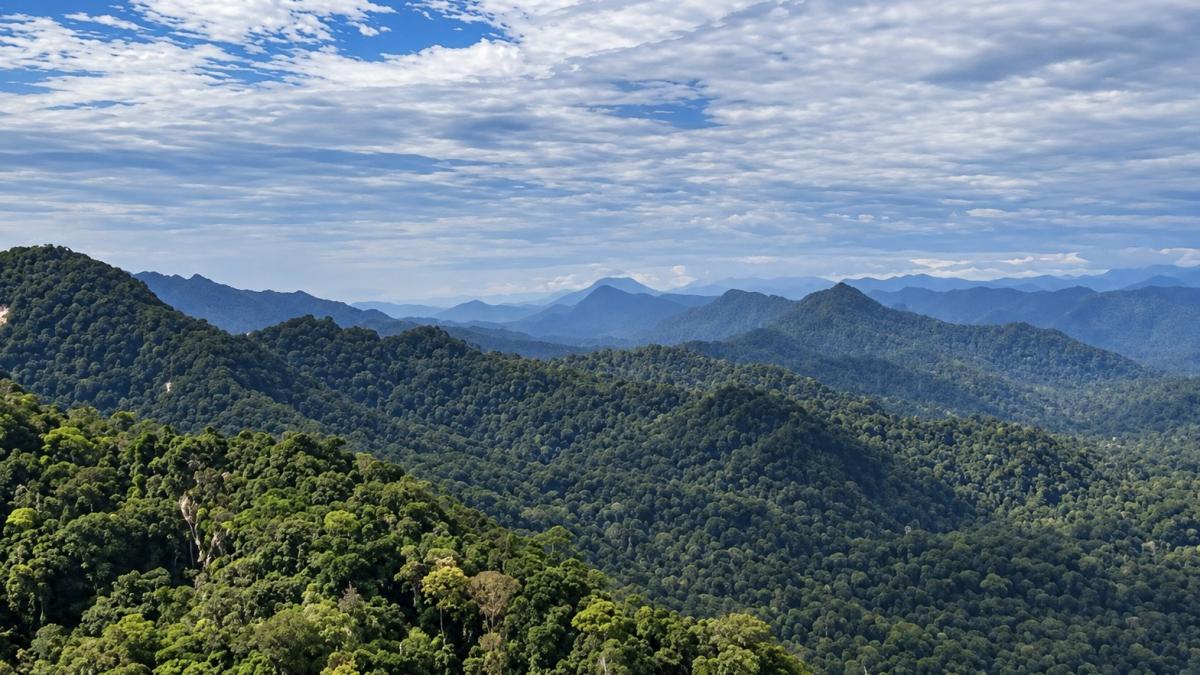
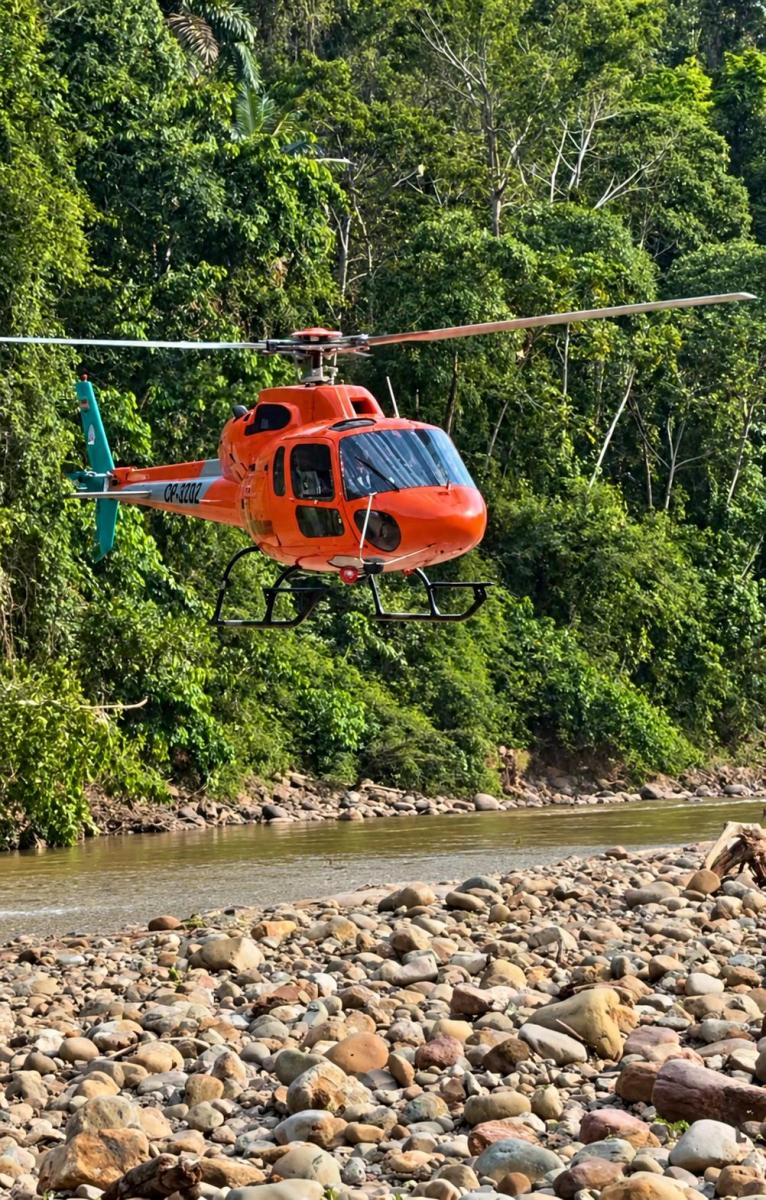
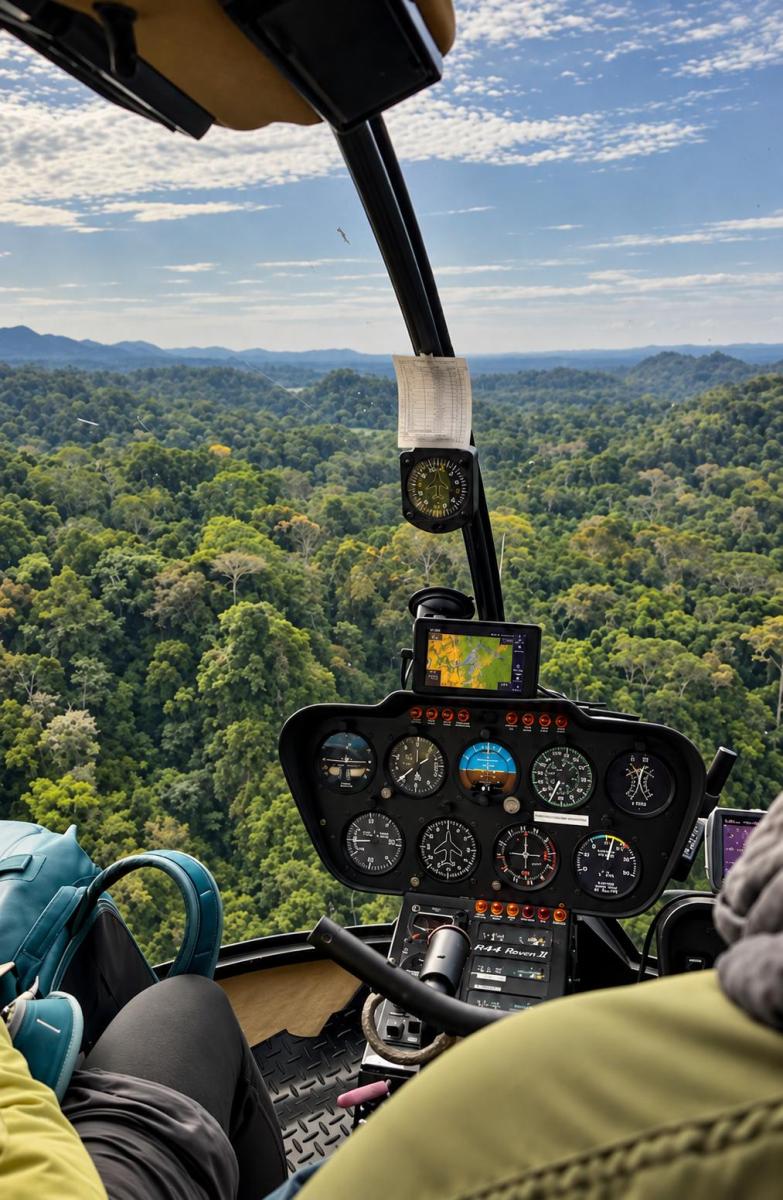
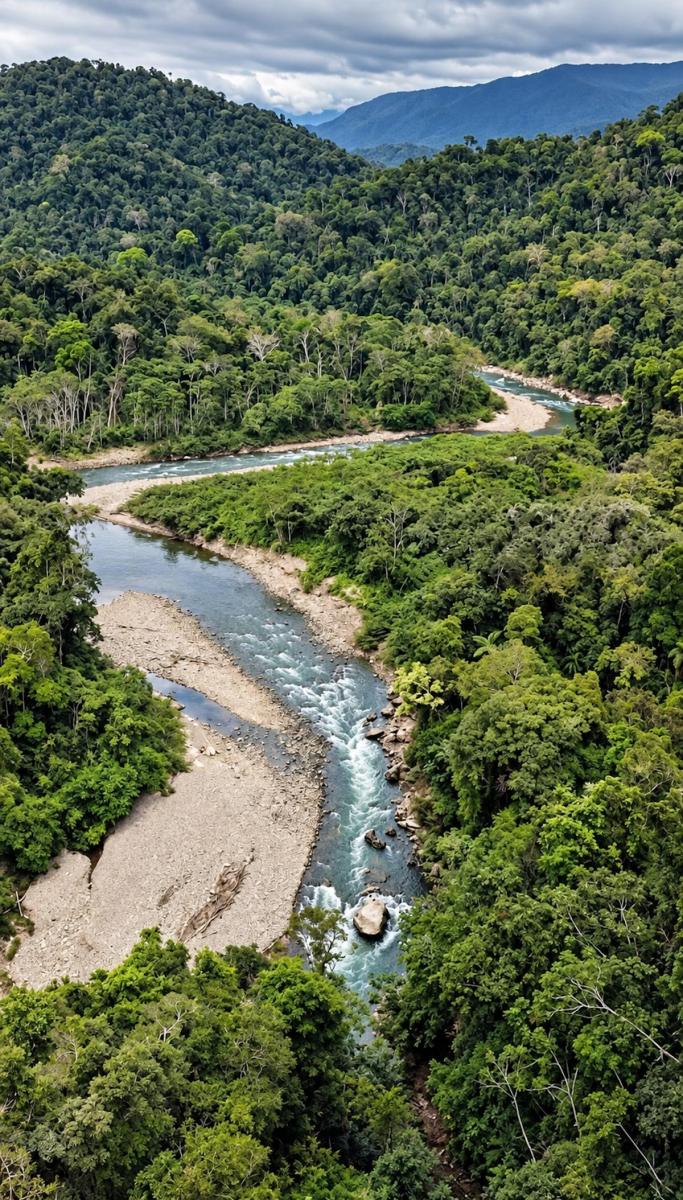
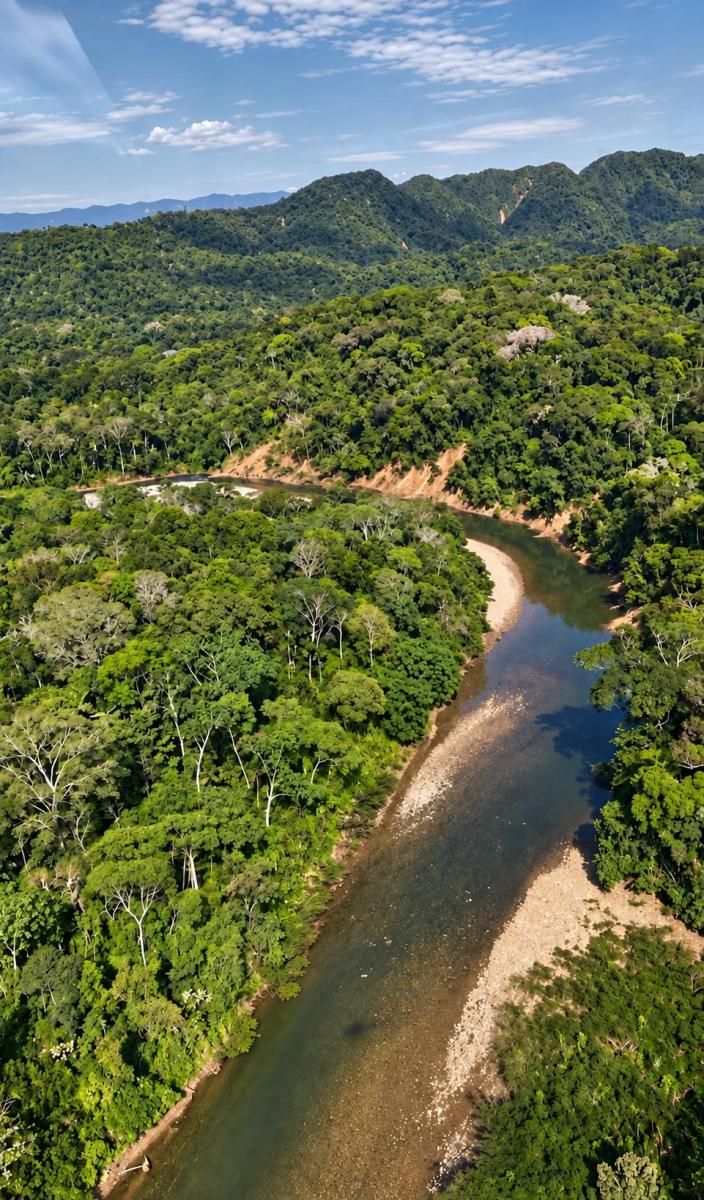
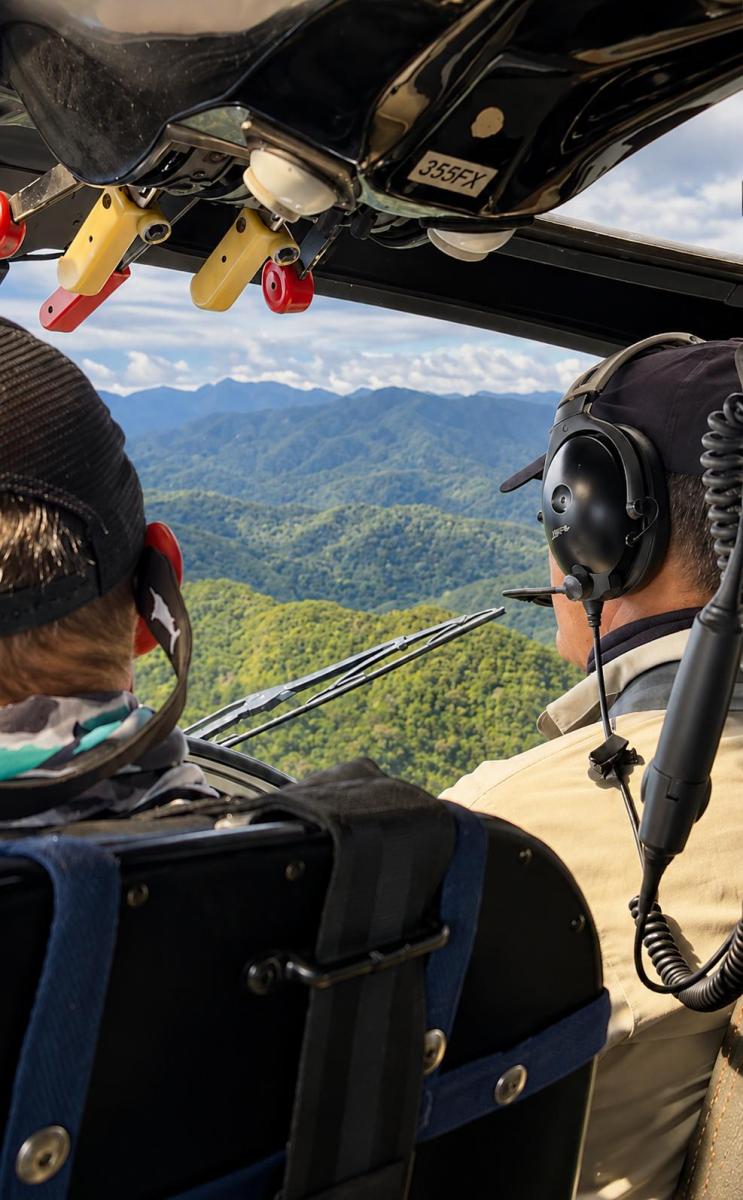
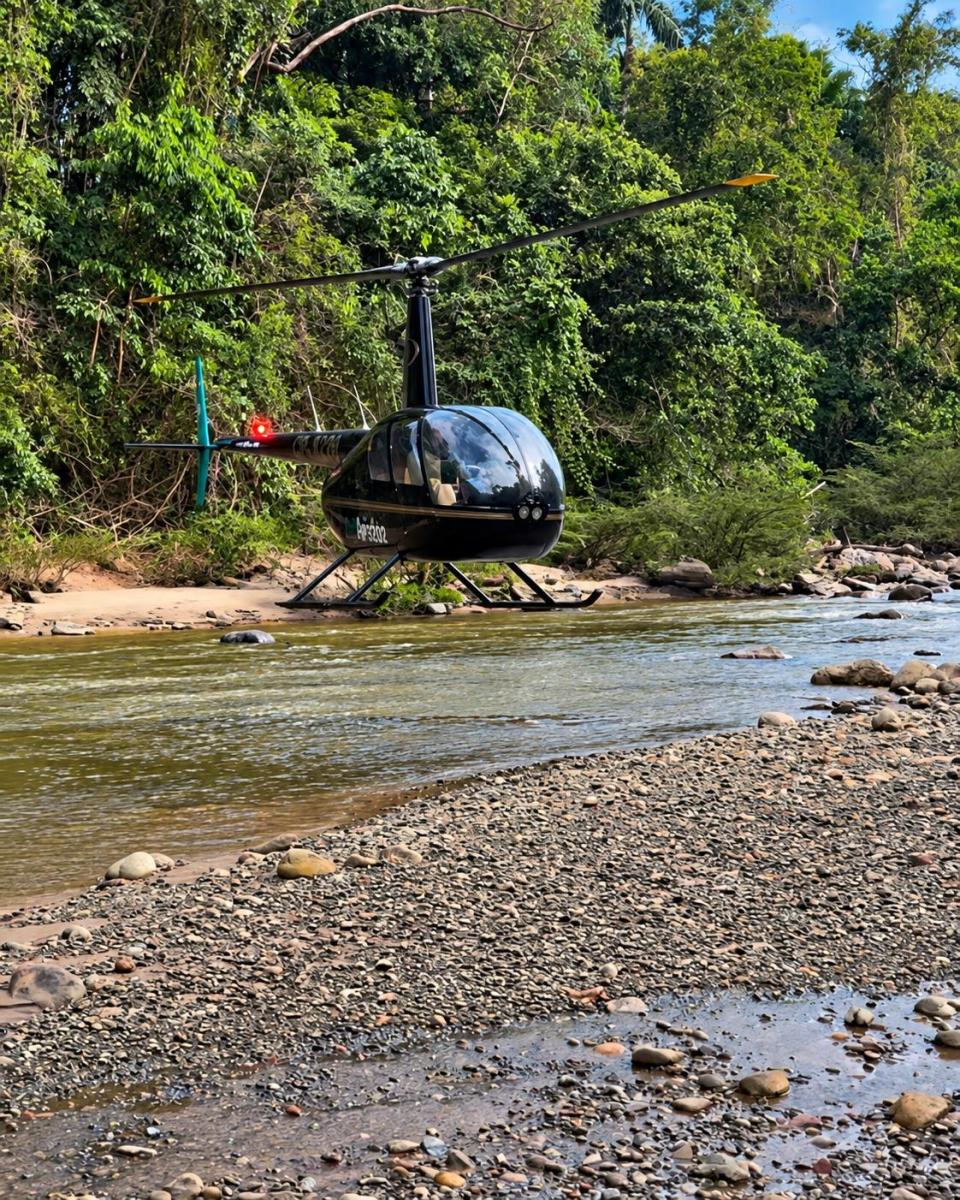
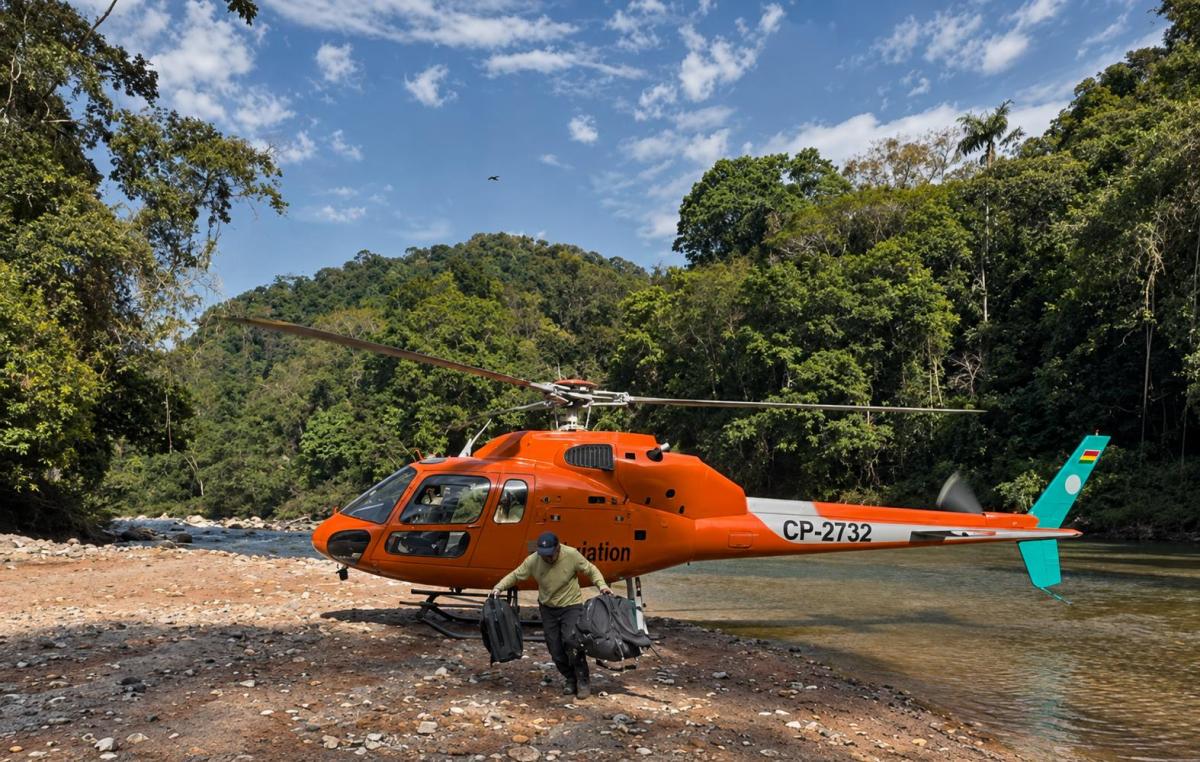
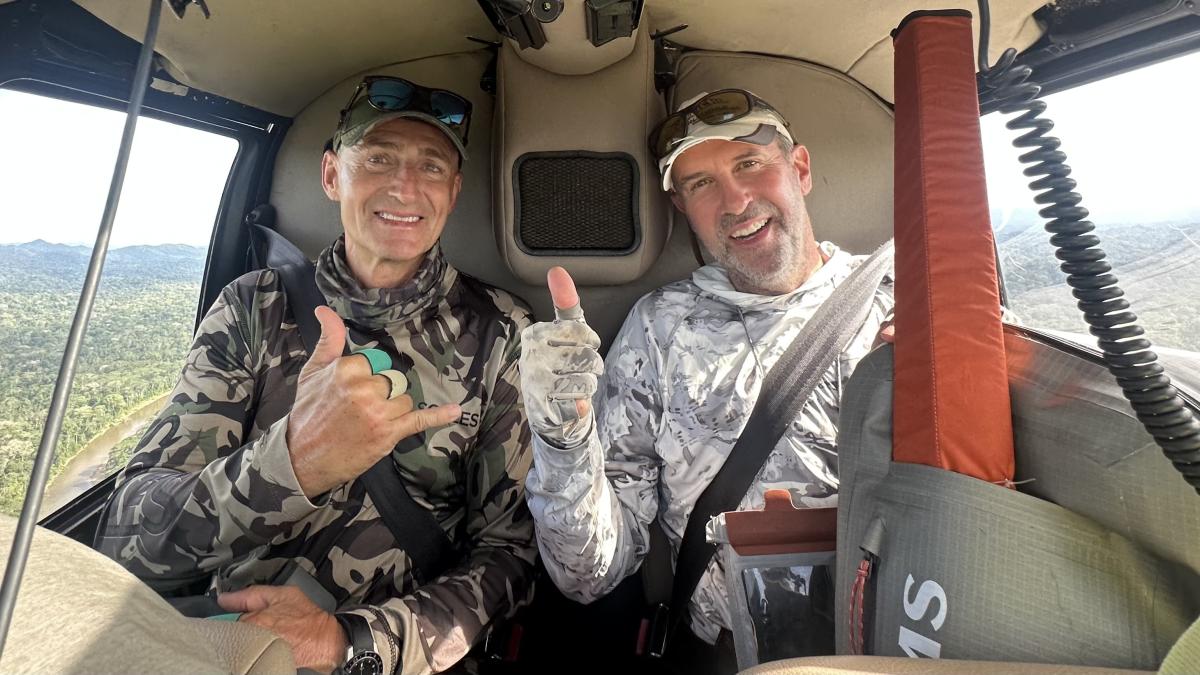
Two helicopters were available to take us over the densely forested mountain ranges to different rivers and remote stretches of water each morning. The flights alone were an experience every single time. Beneath us there was nothing but endless rainforest, mountains and rivers – and somewhere in between, a sandbank or small clearing where the pilot could put the helicopter down. We always fished in small teams: two fly fishermen together with one guide.
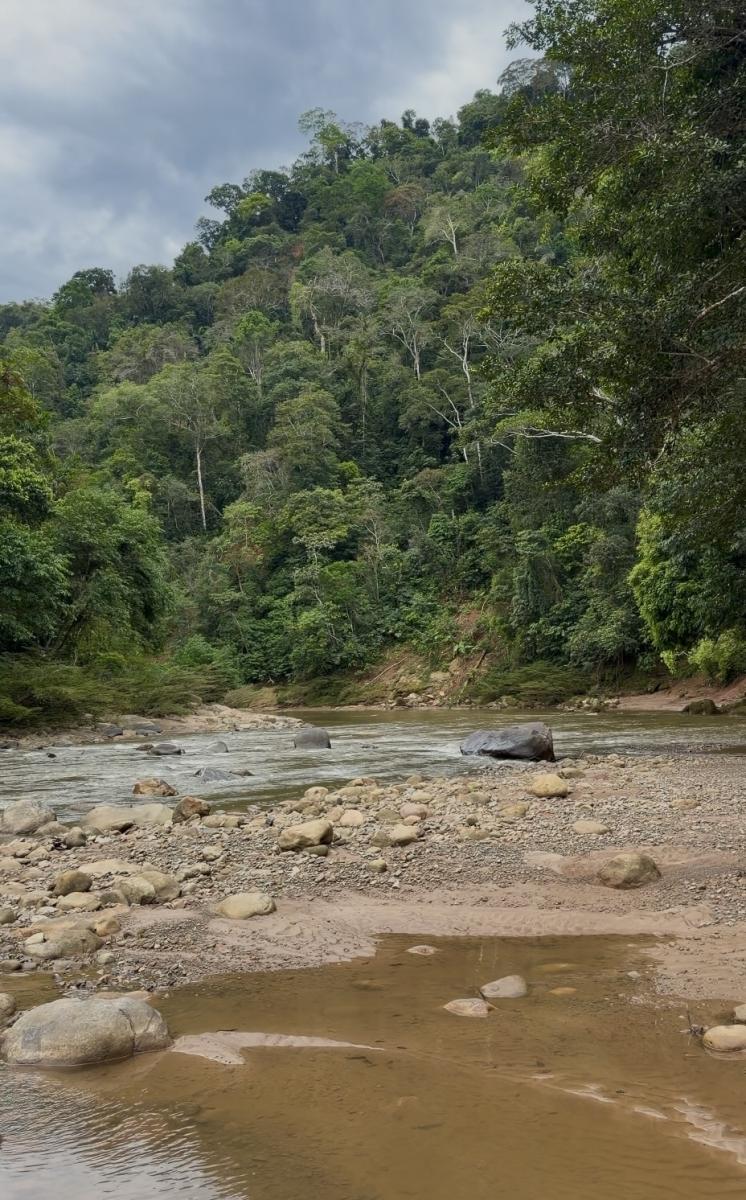
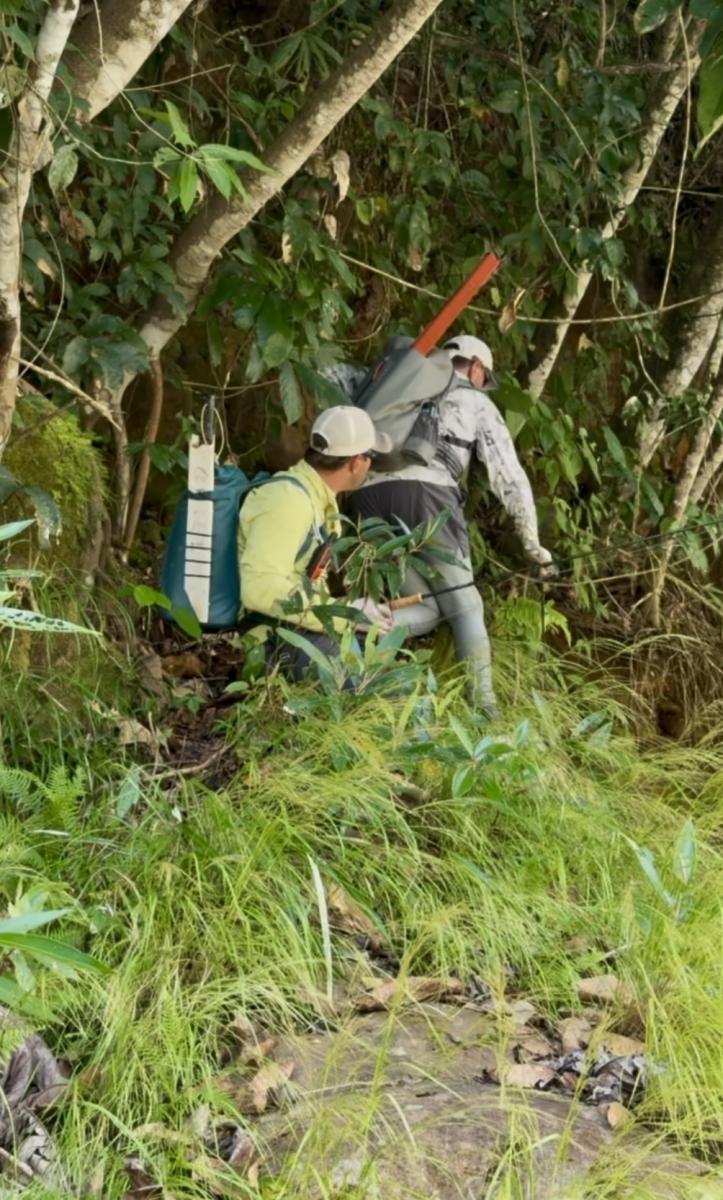
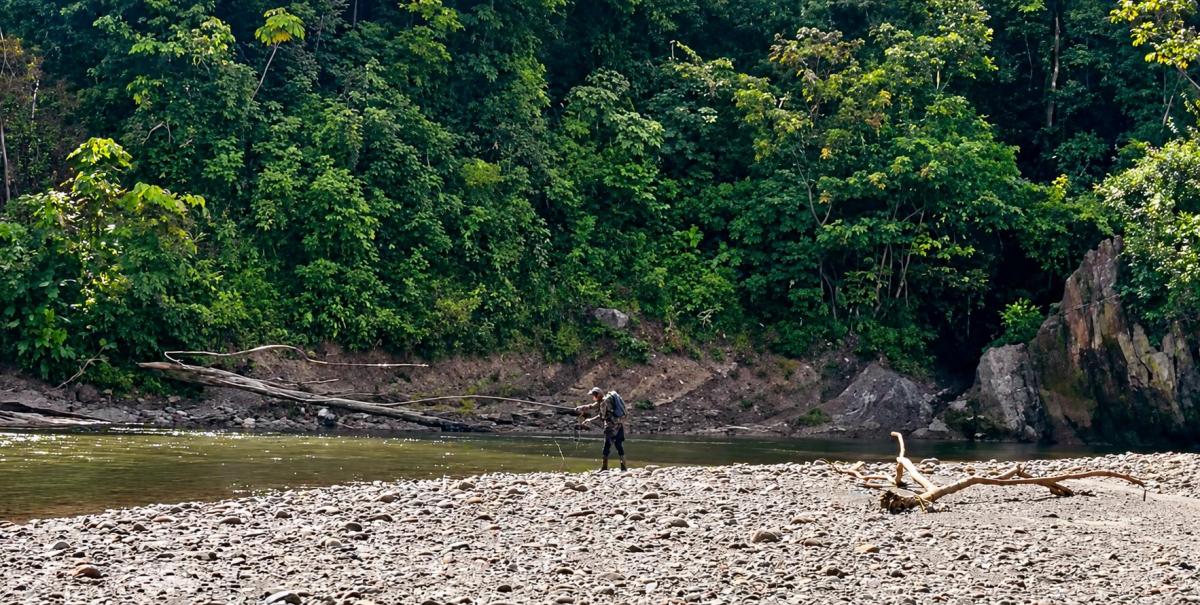
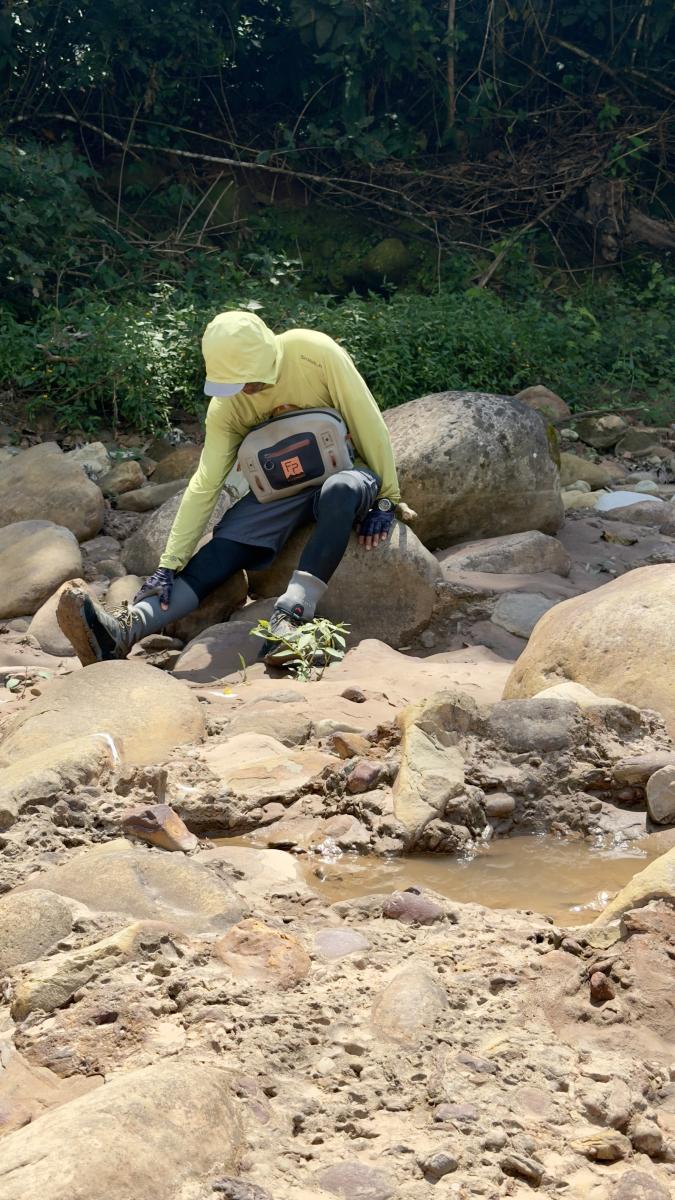
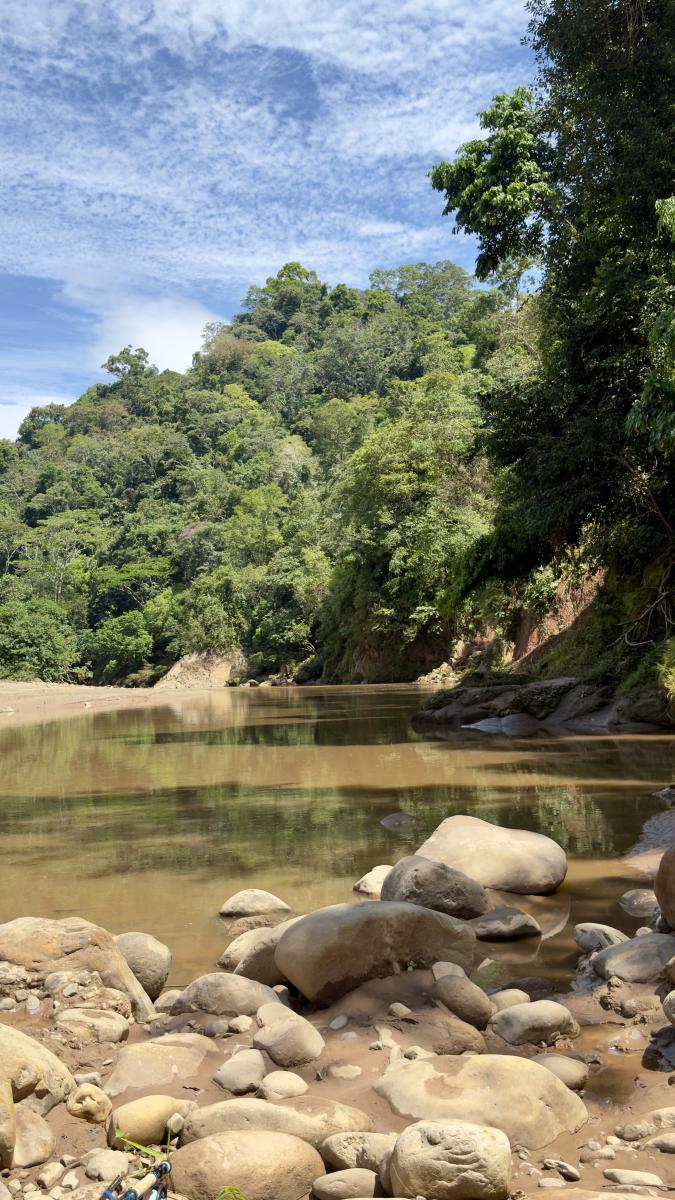
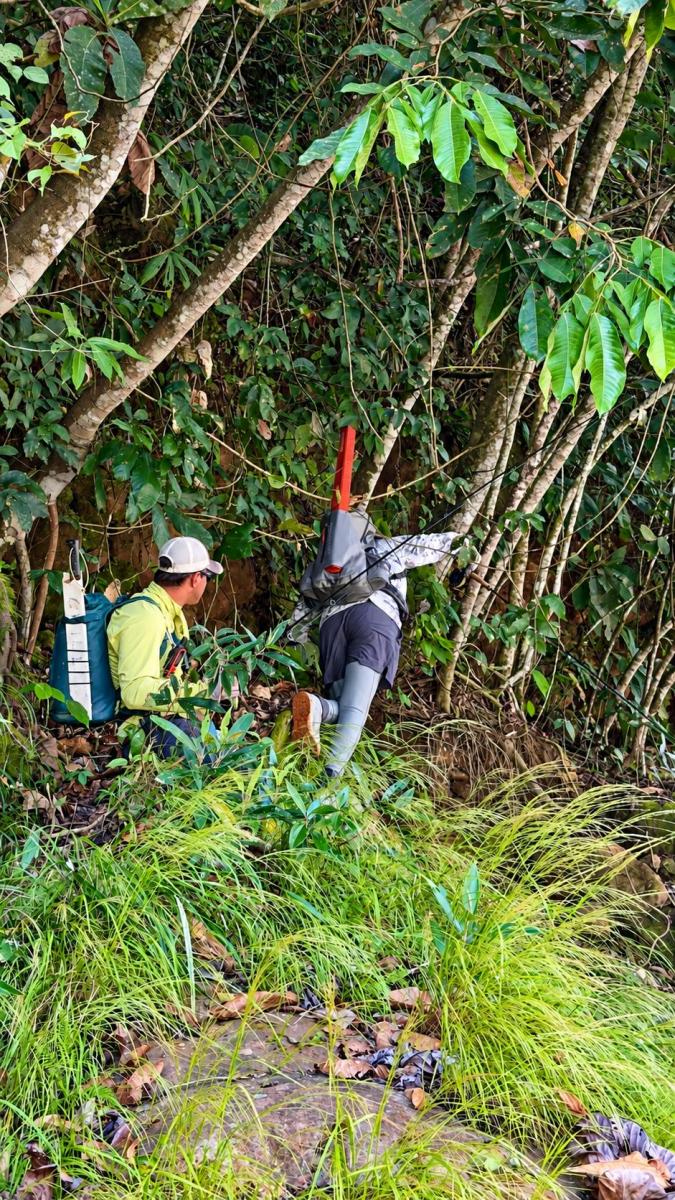
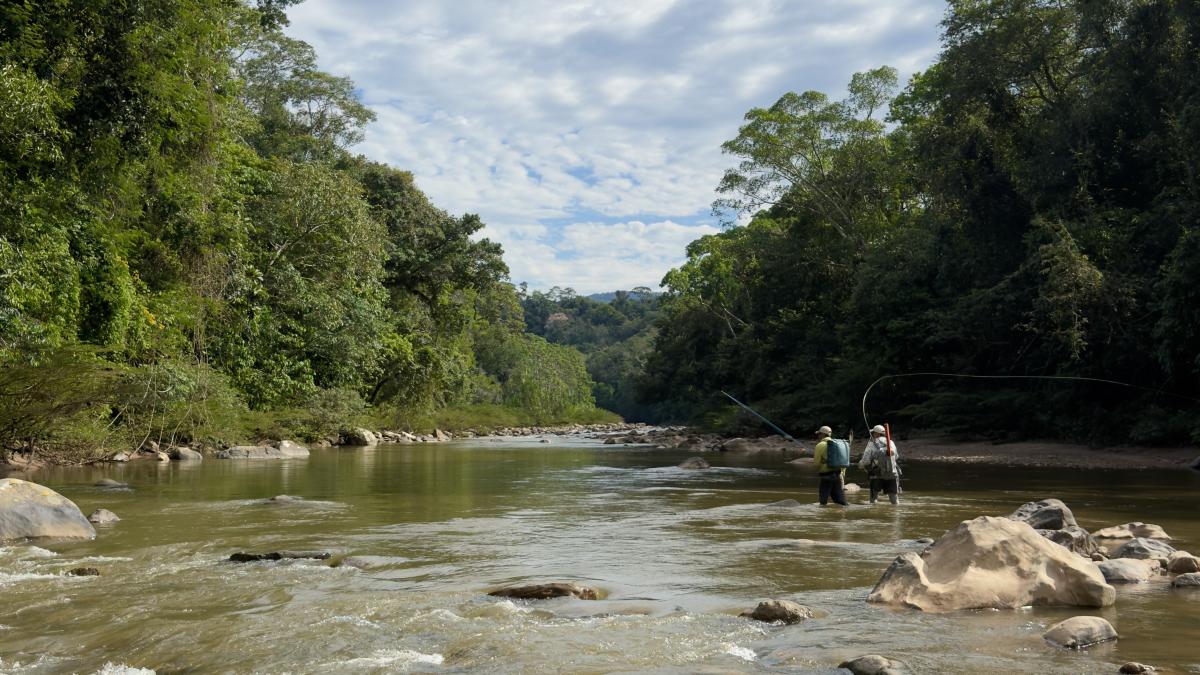
Once the helicopter had dropped us off, the real work began. Over the course of the day, we would fish our way roughly three to five kilometers upstream through our designated stretch of river. In the afternoon, we waited at a prearranged pickup point for the helicopter. Somewhere in the middle of nowhere, you would eventually hear the sound of the rotors approaching over the jungle. The helicopter would land on a sandbank or another suitable clearing and fly us back to the lodge. The next morning, it all started again. A new flight, a new river, a new stretch of water and a completely new adventure every day.
Golden Dorado – Every River Was Different
That was exactly what made the fishing so exciting. Conditions could change completely from one stretch of river to the next. Some sections held plenty of fish. Others looked absolutely perfect, with beautiful pools, rapids and deep channels – yet surprisingly few fish were active.
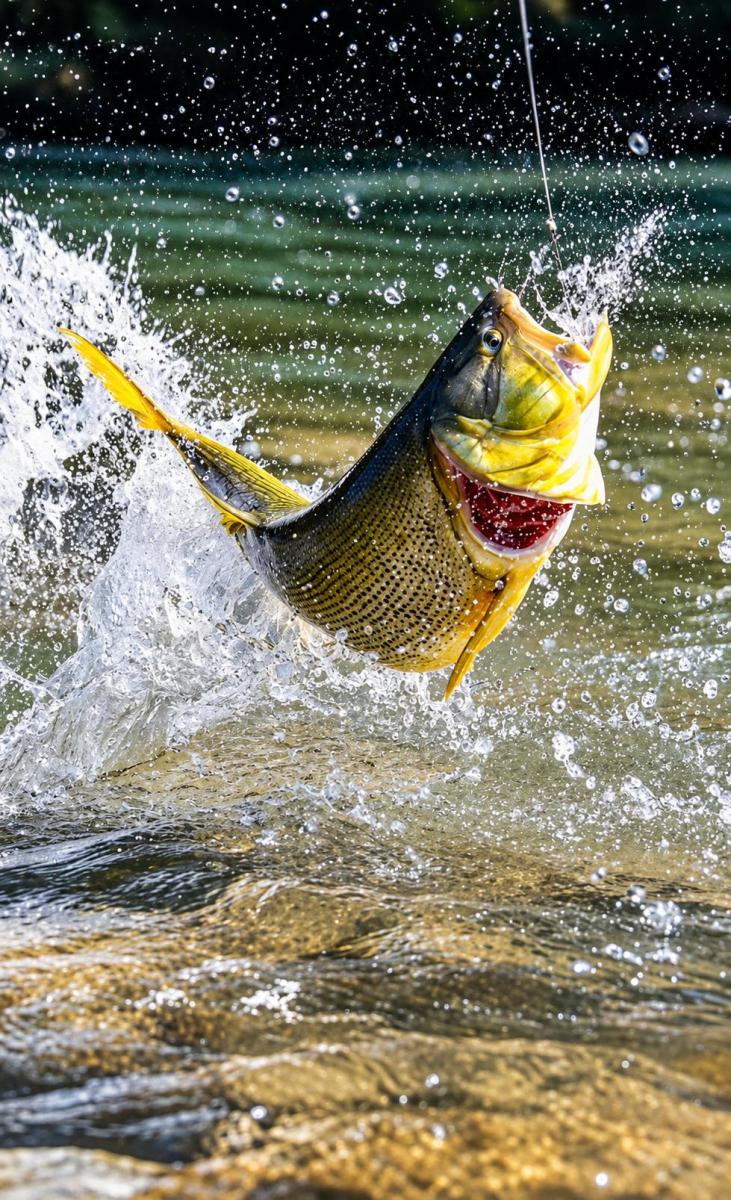
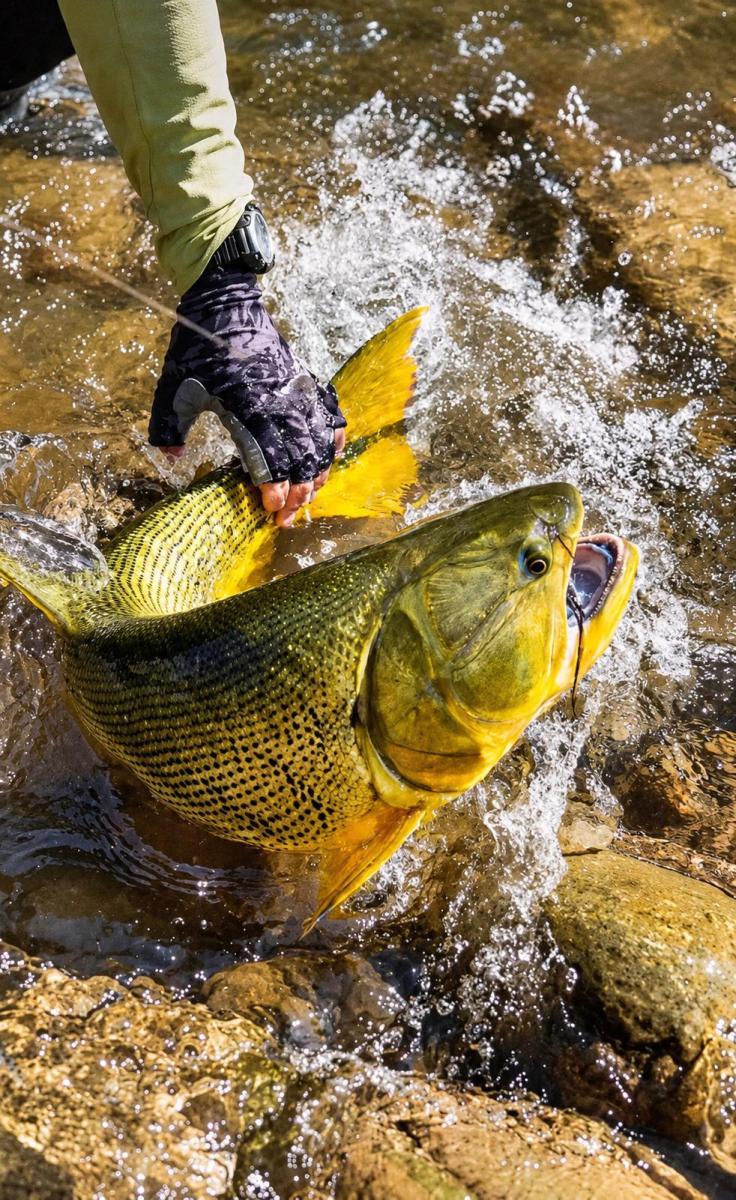
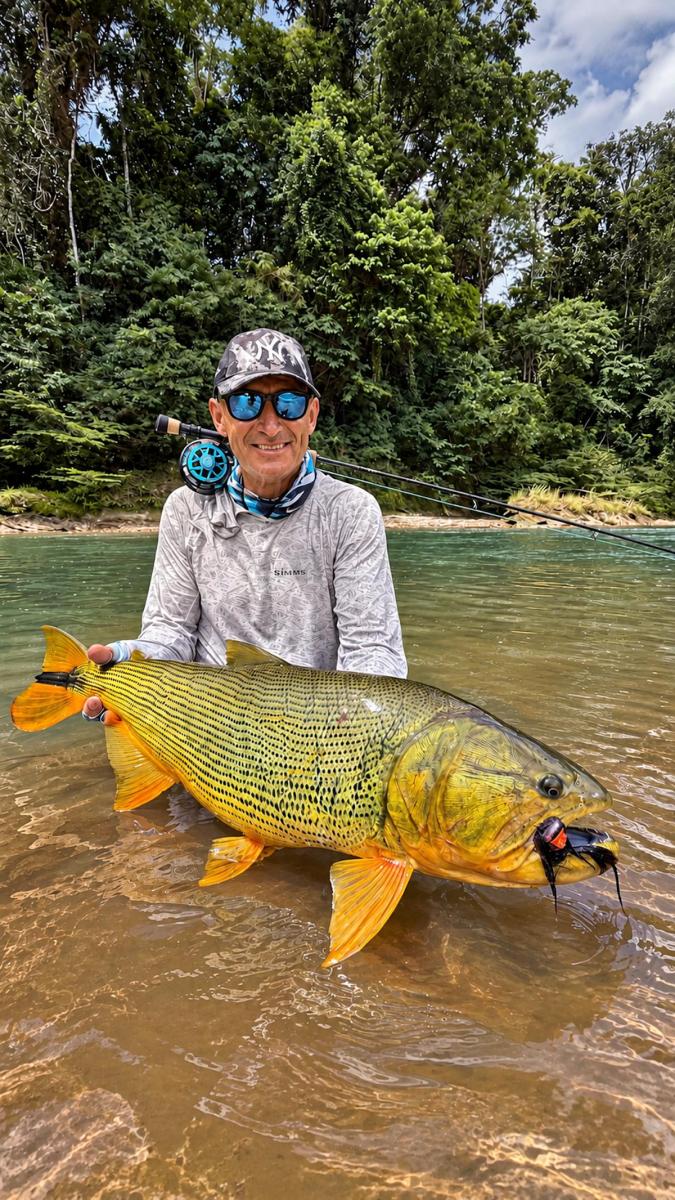
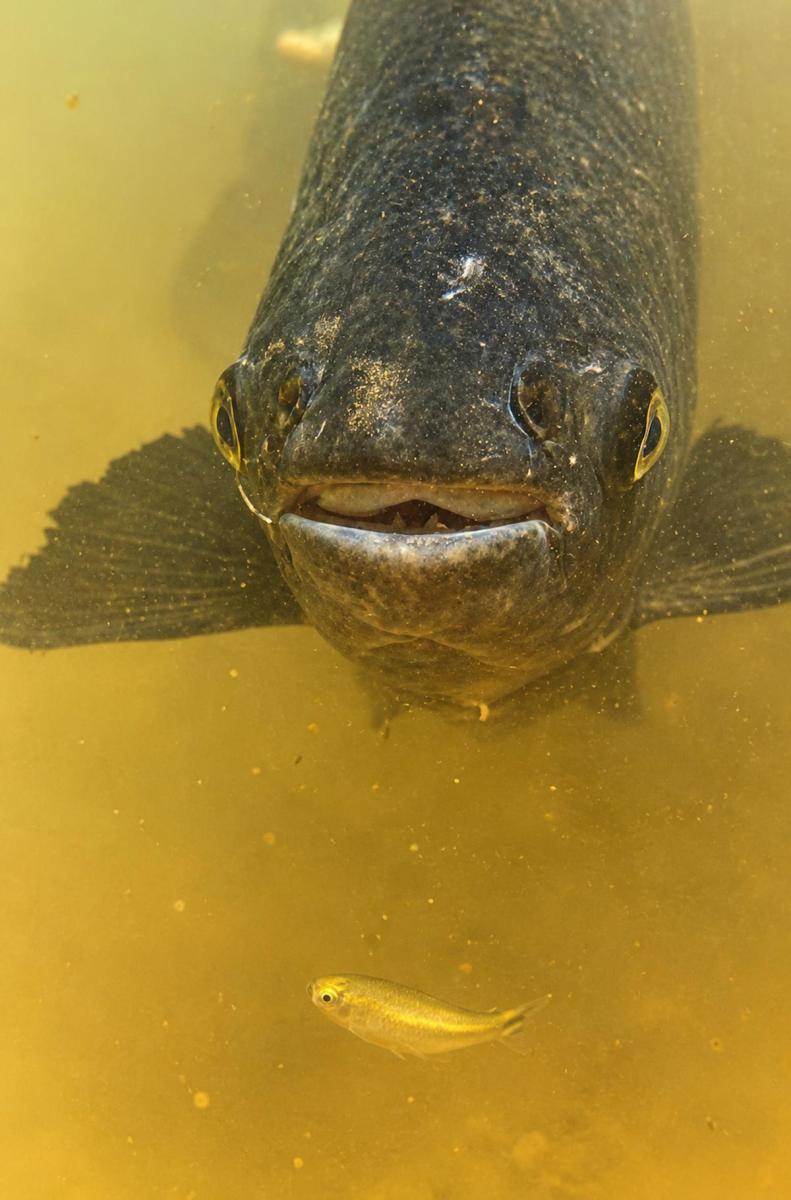
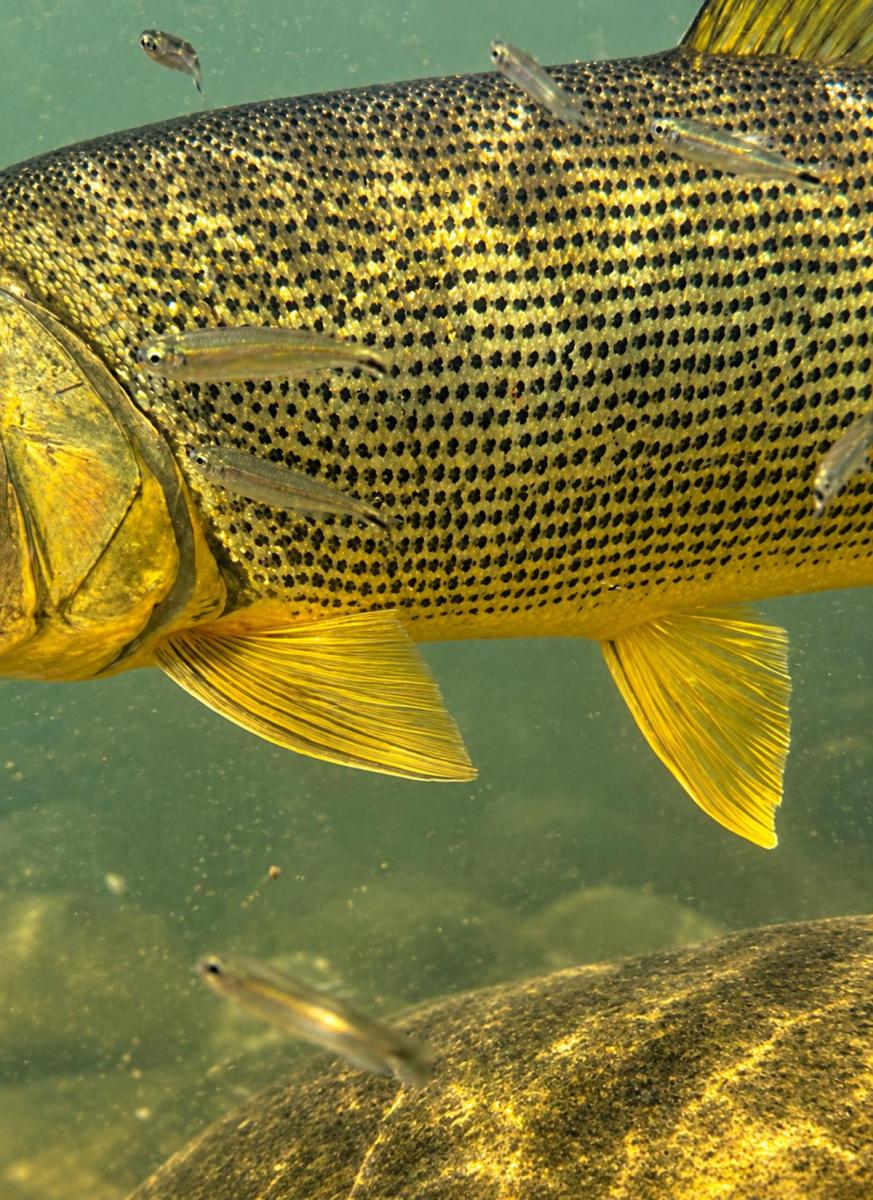
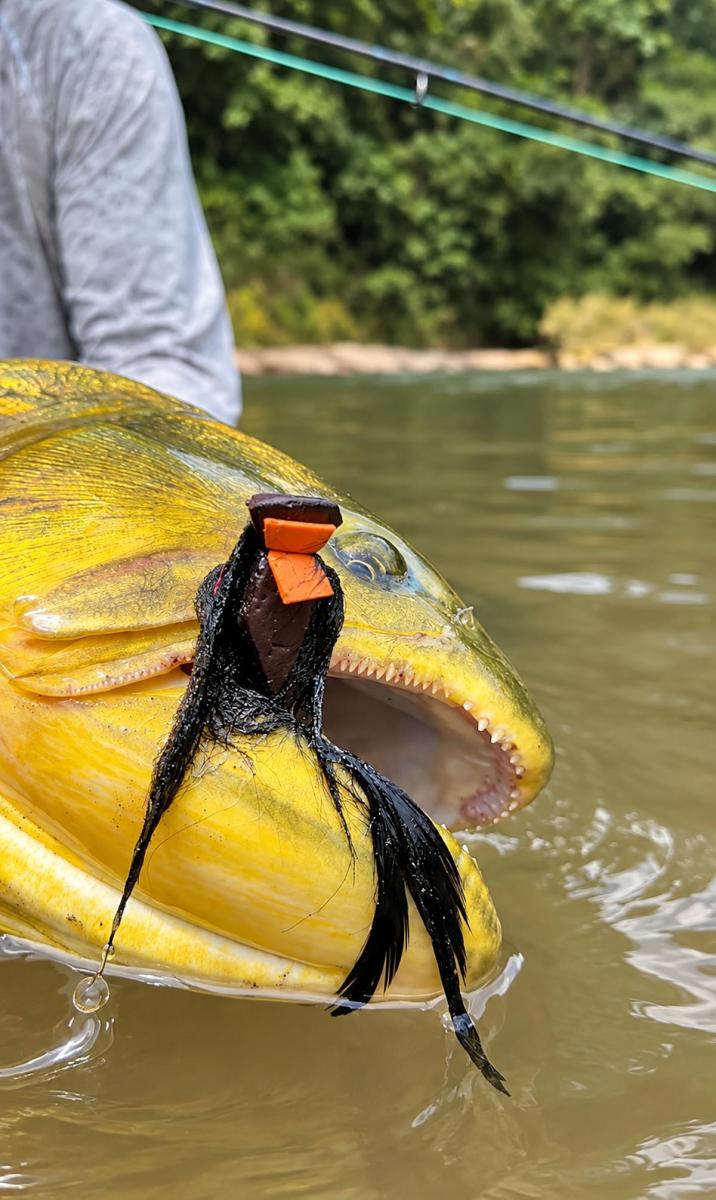
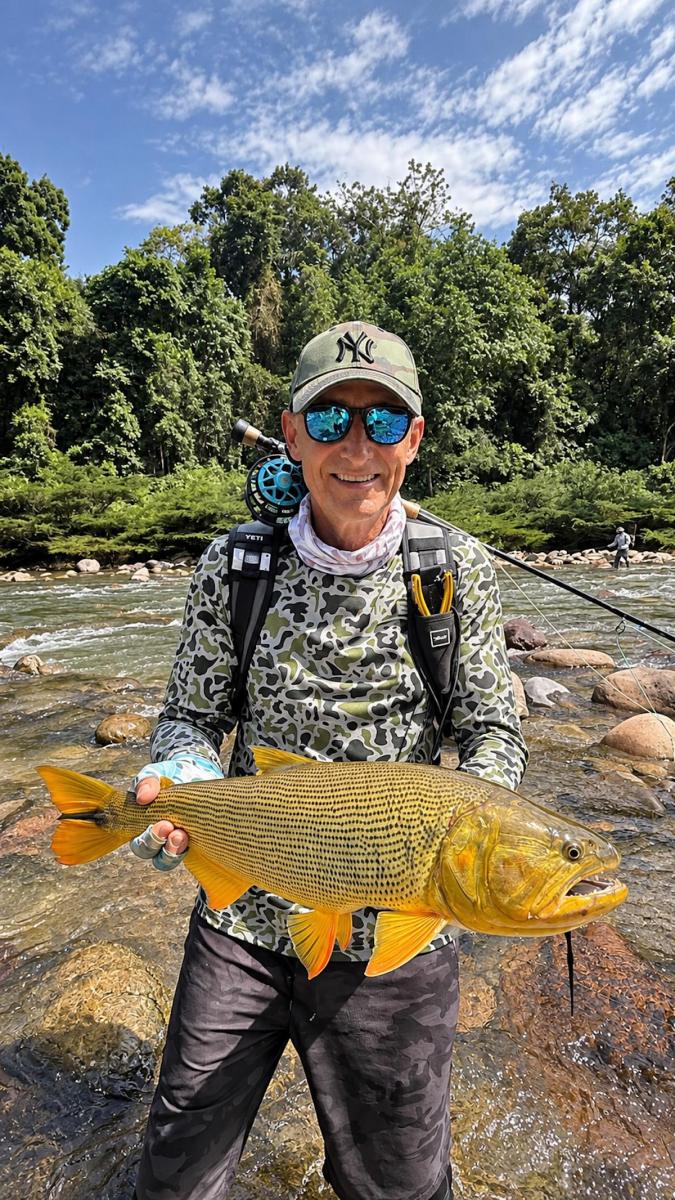
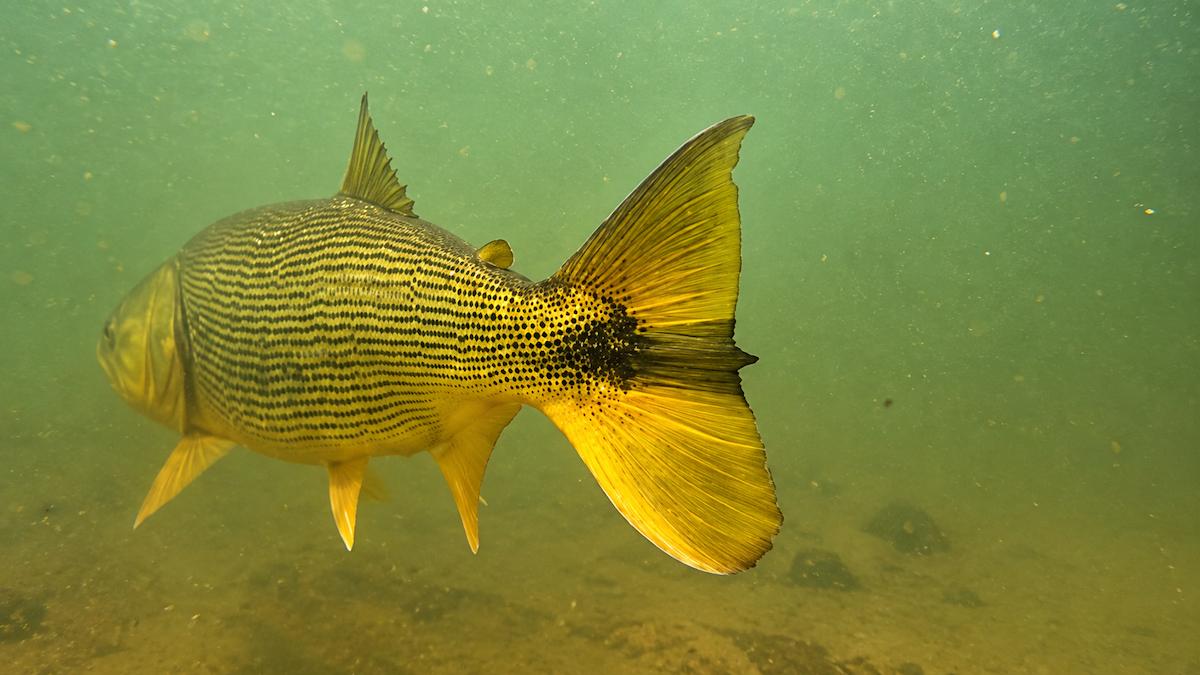
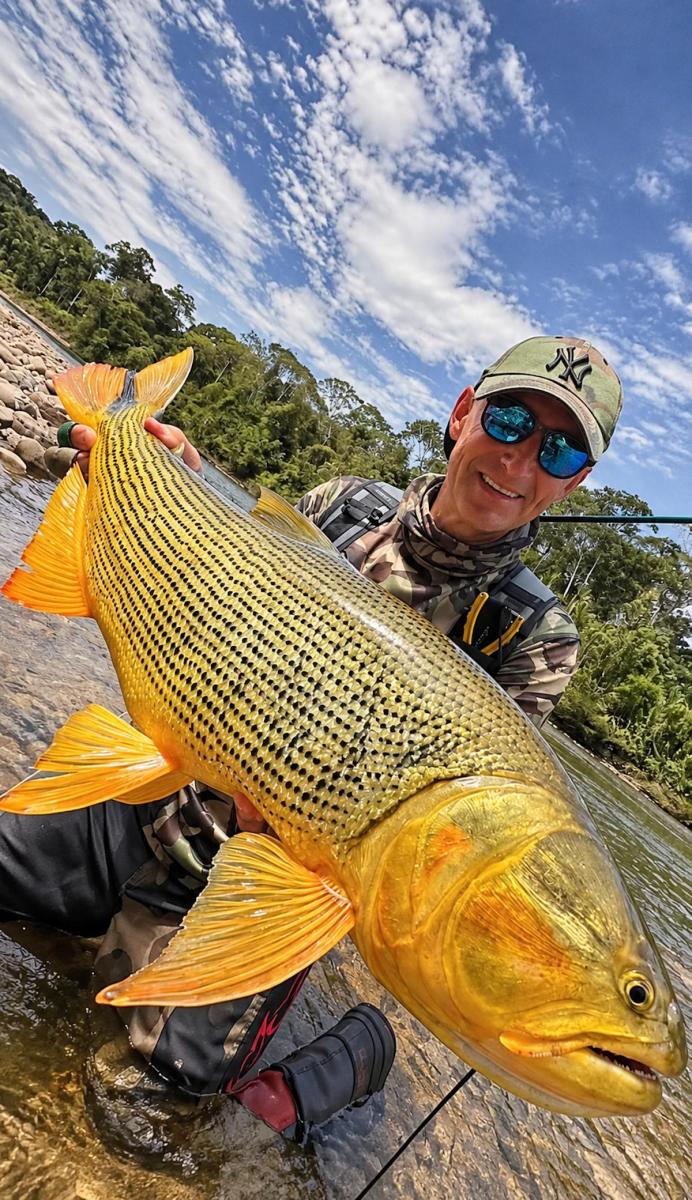
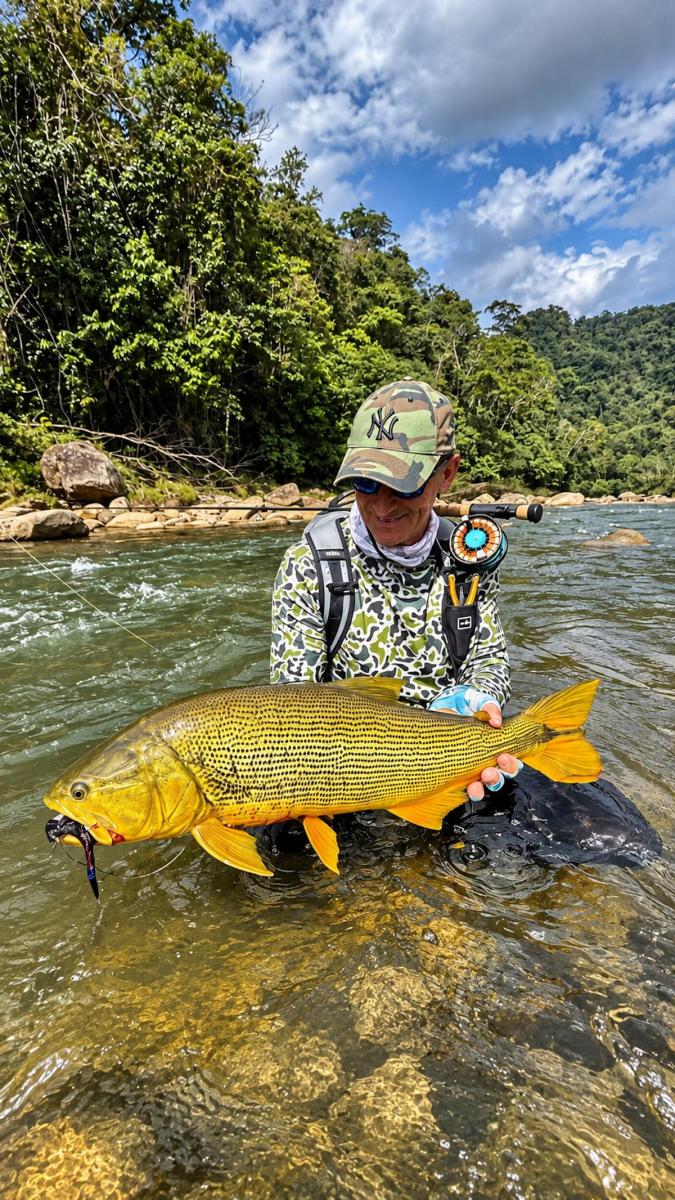
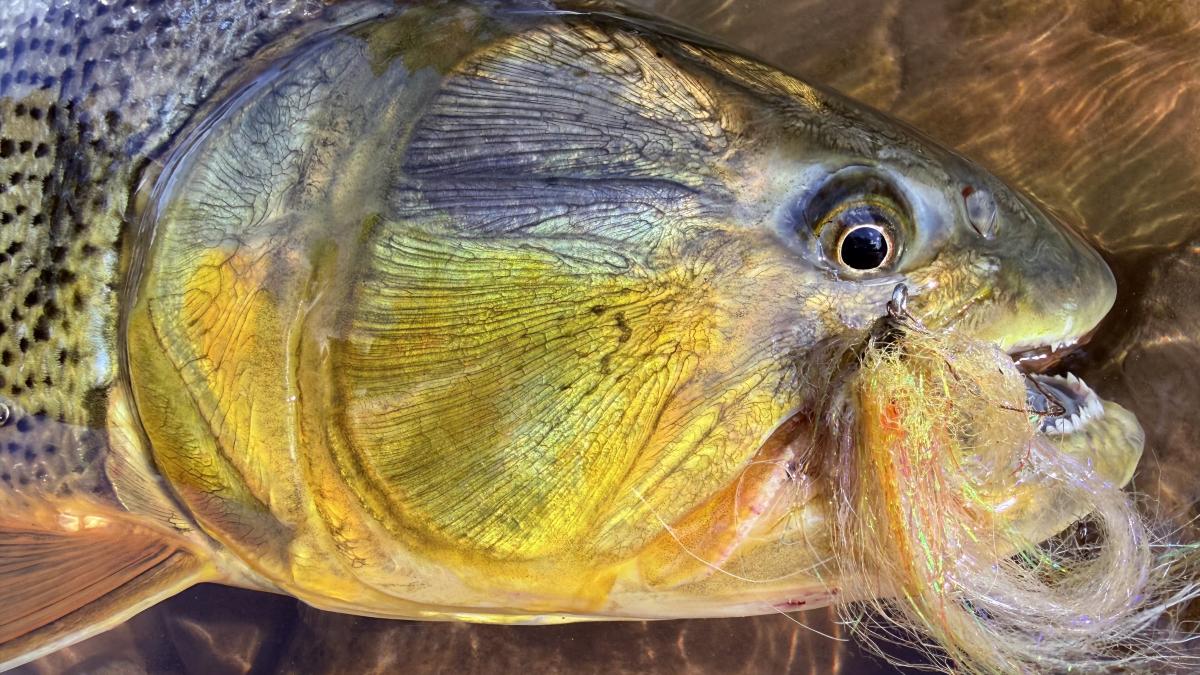
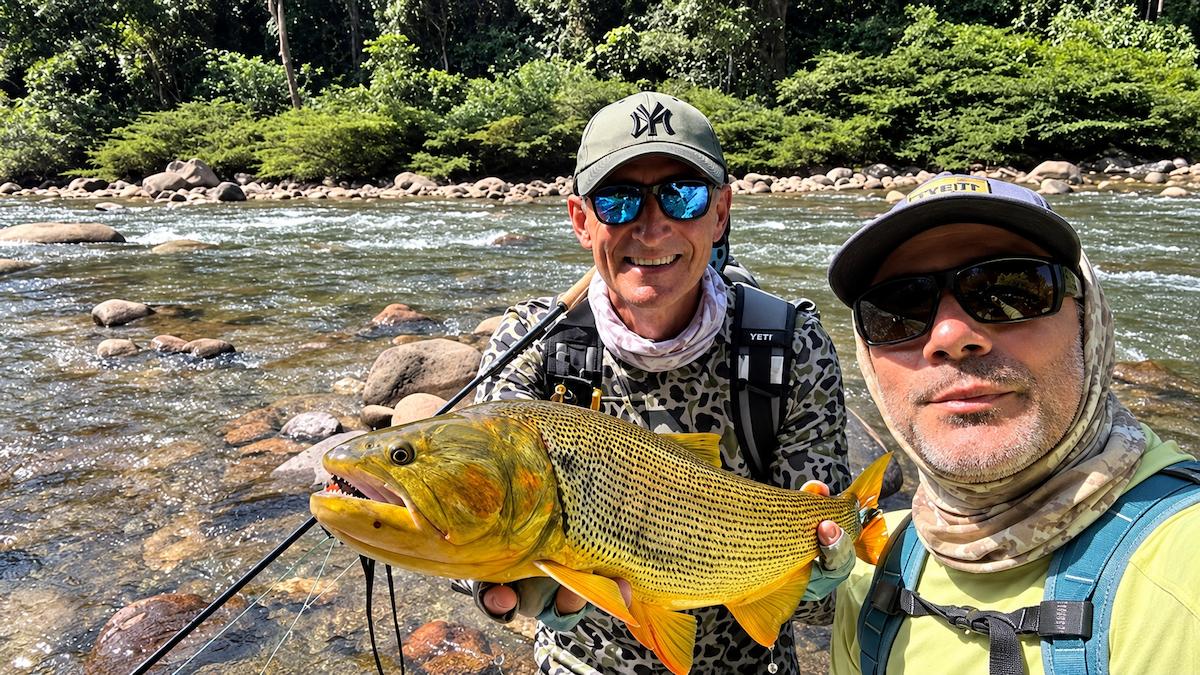
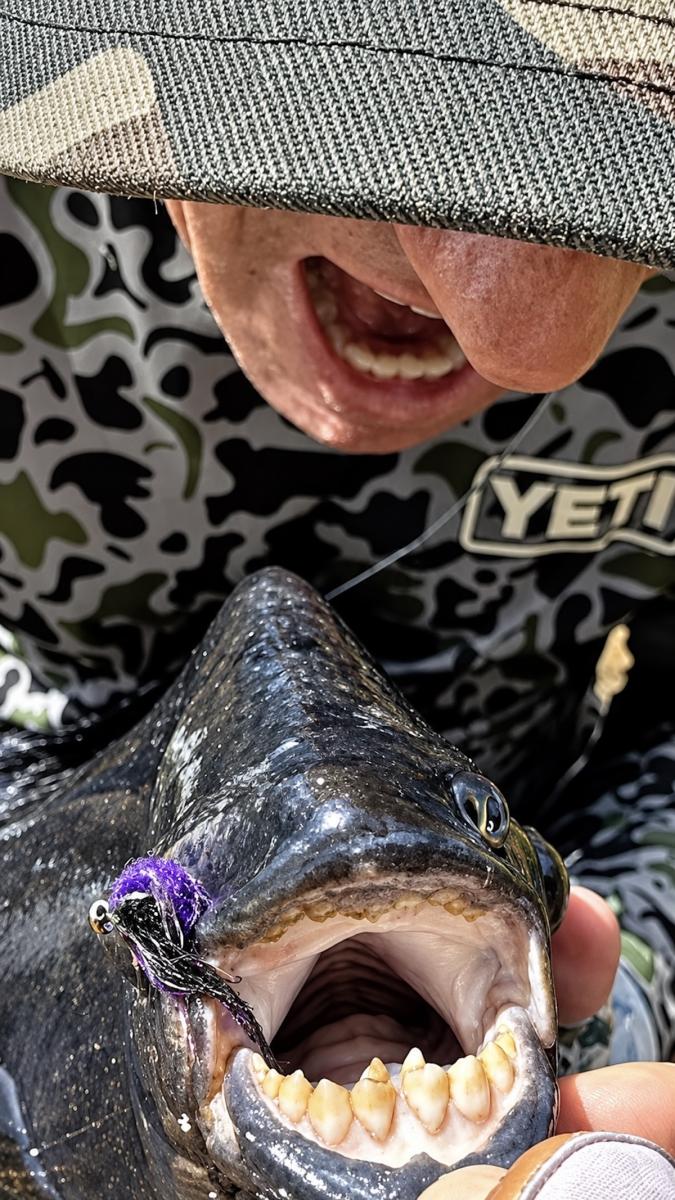
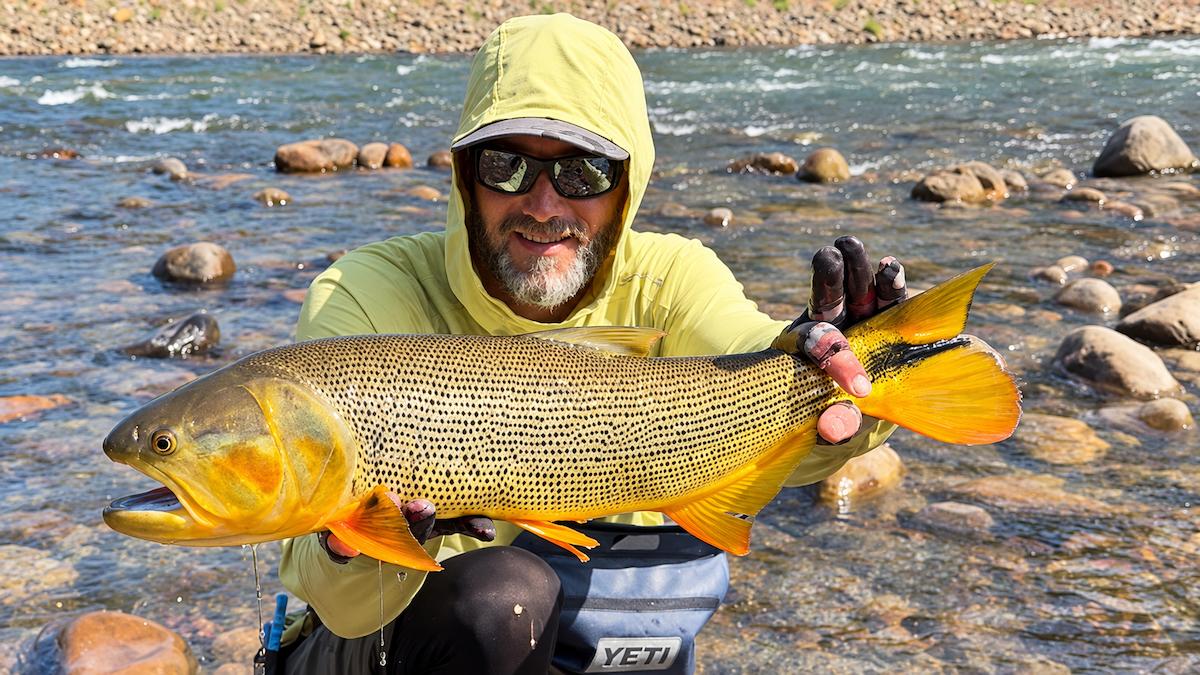
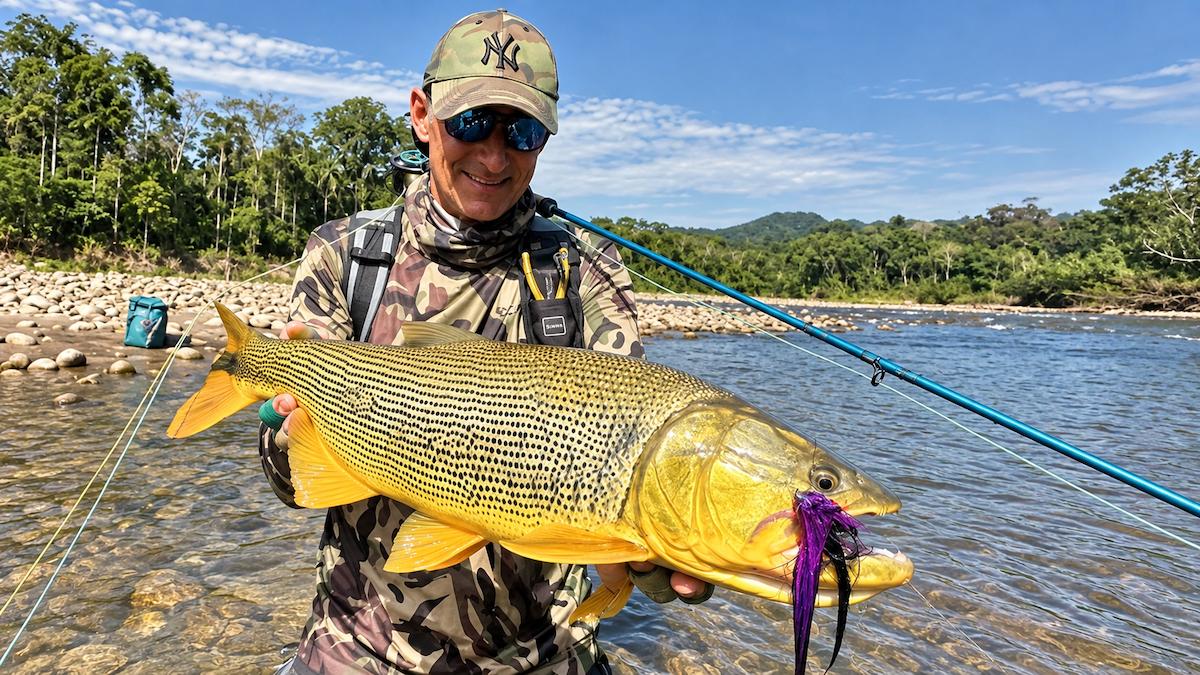
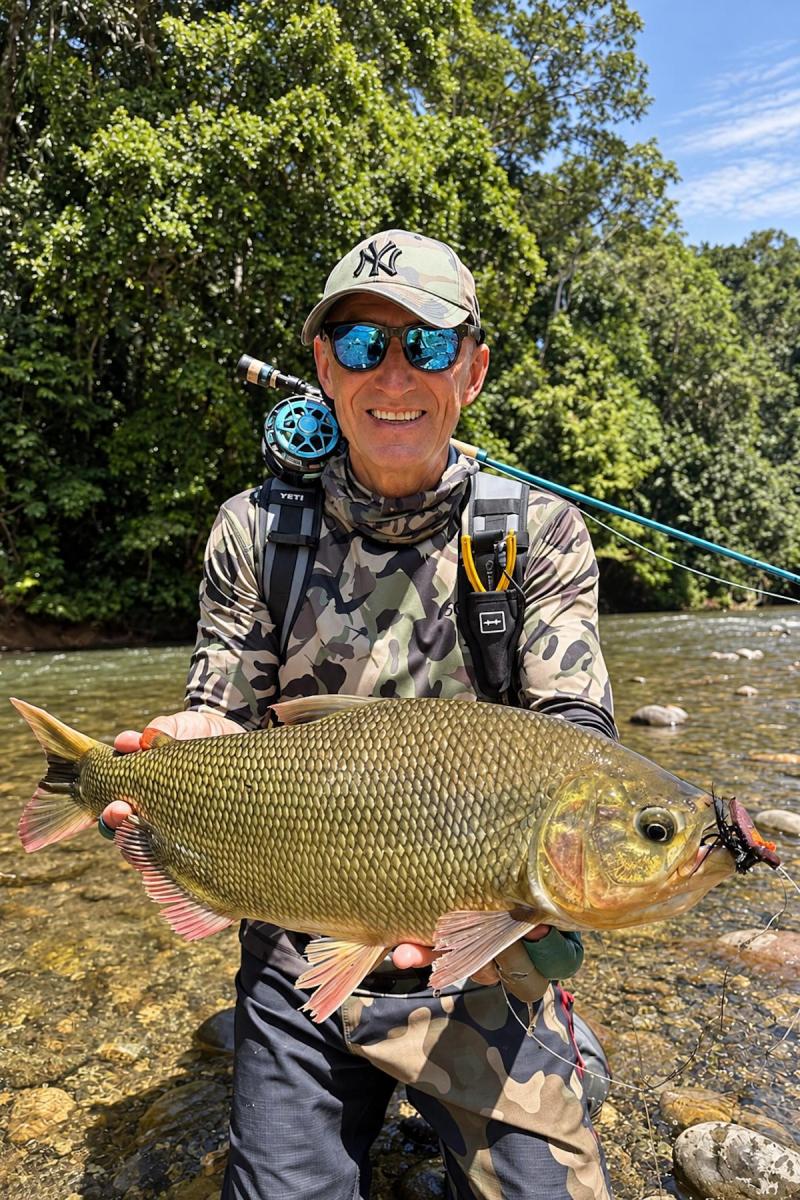
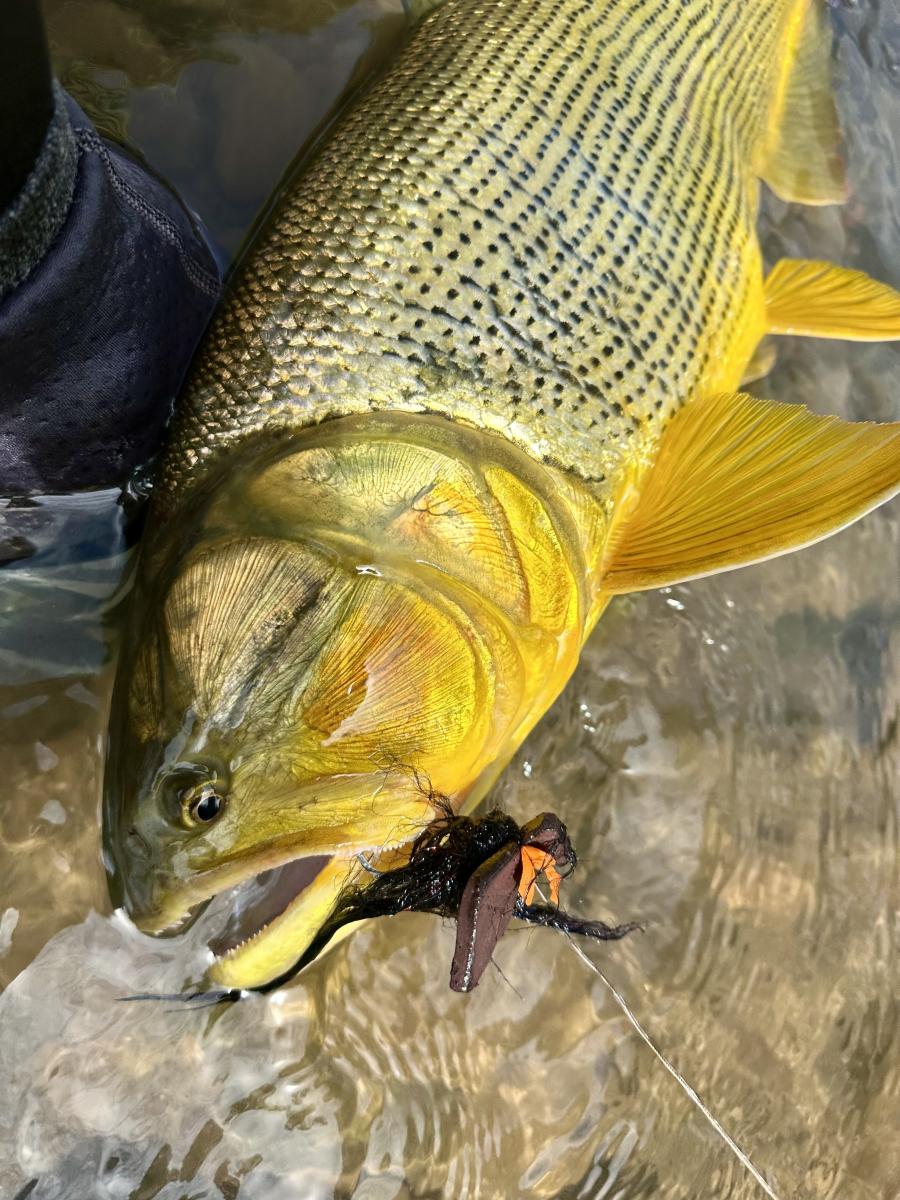
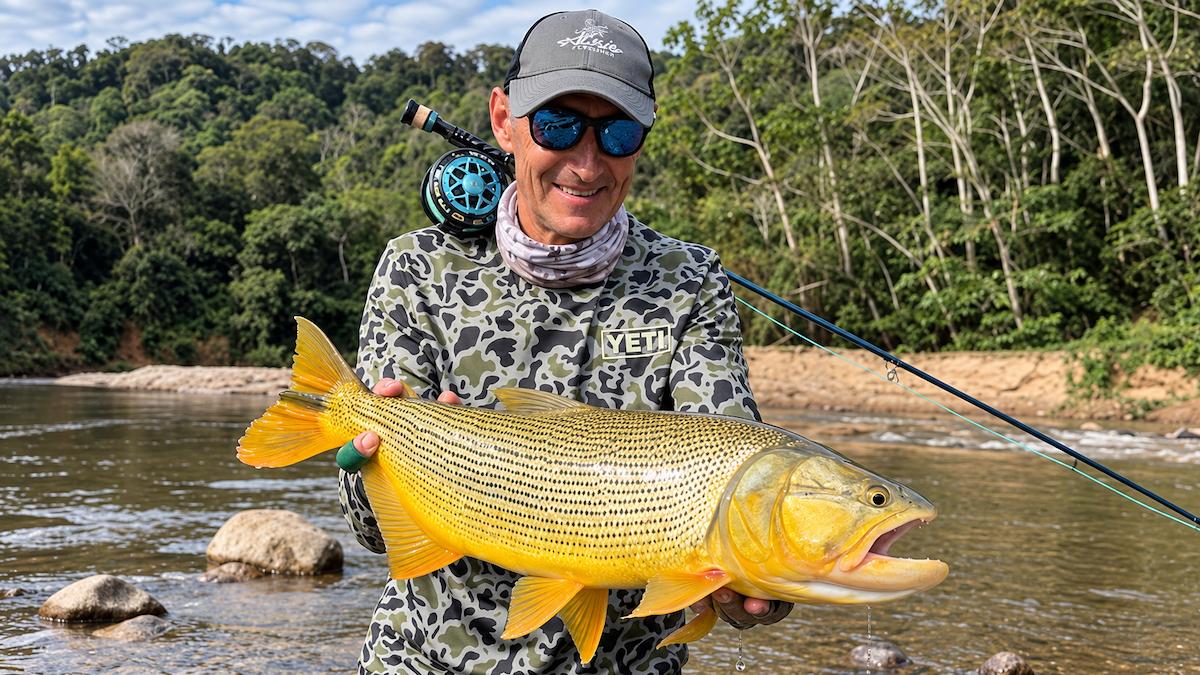
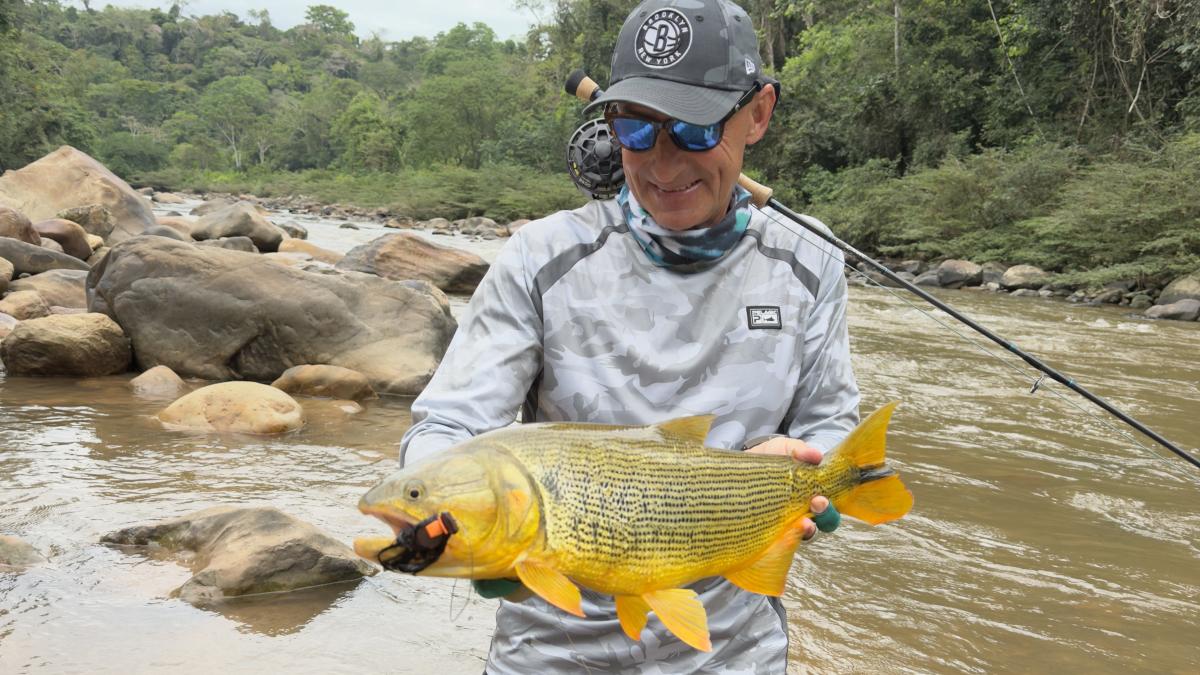
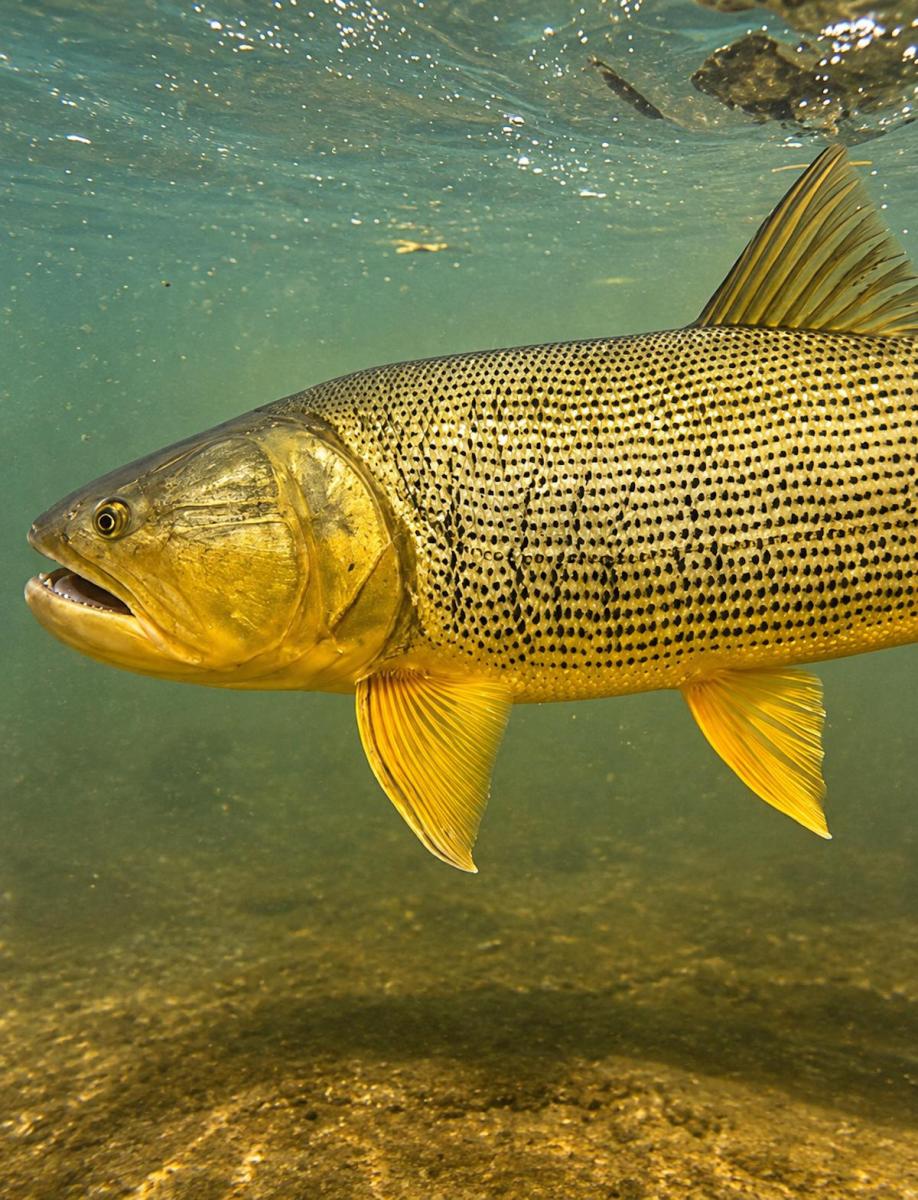
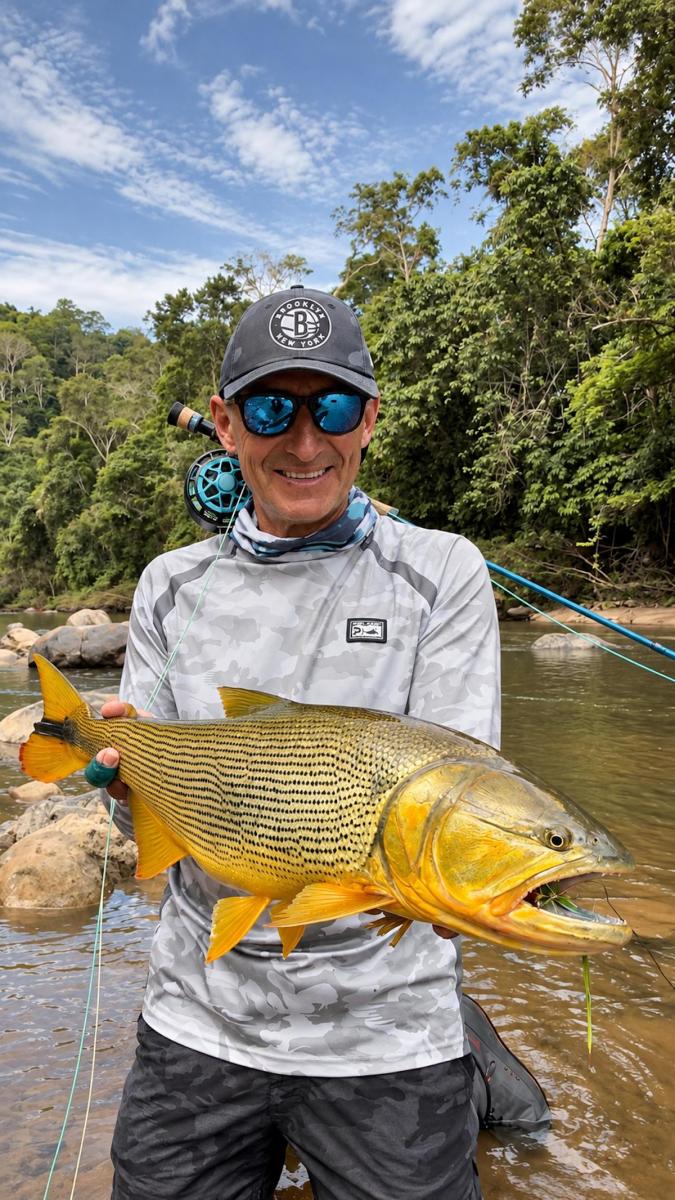
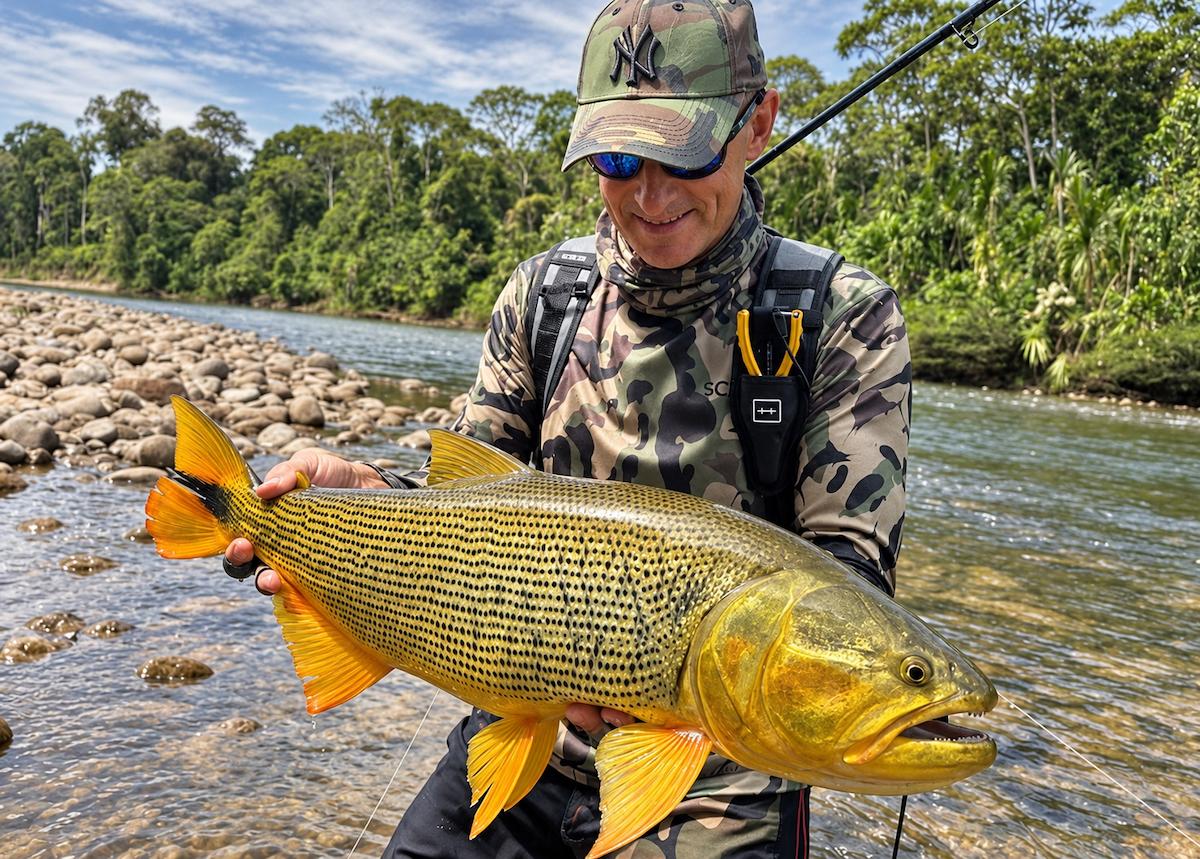
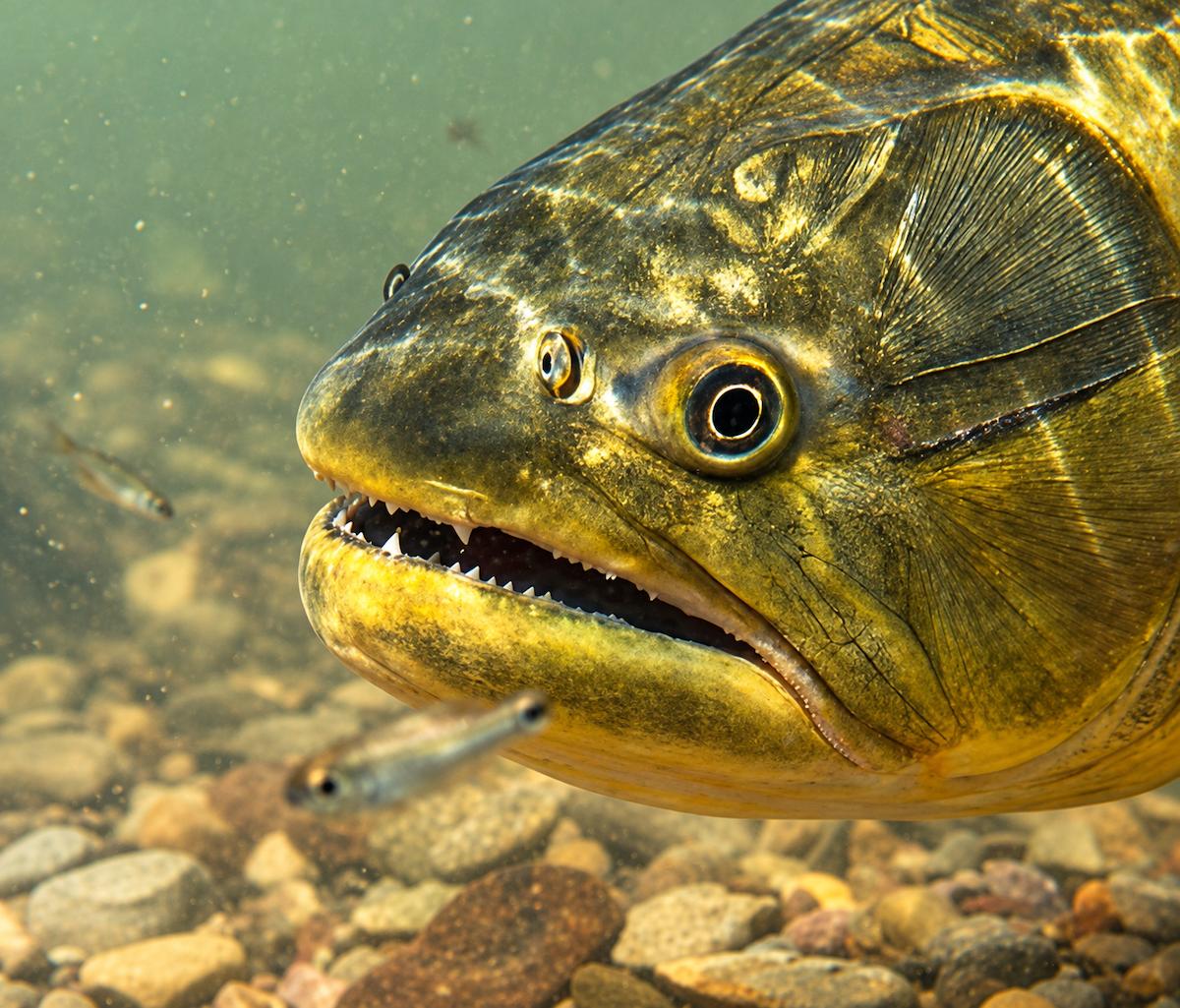
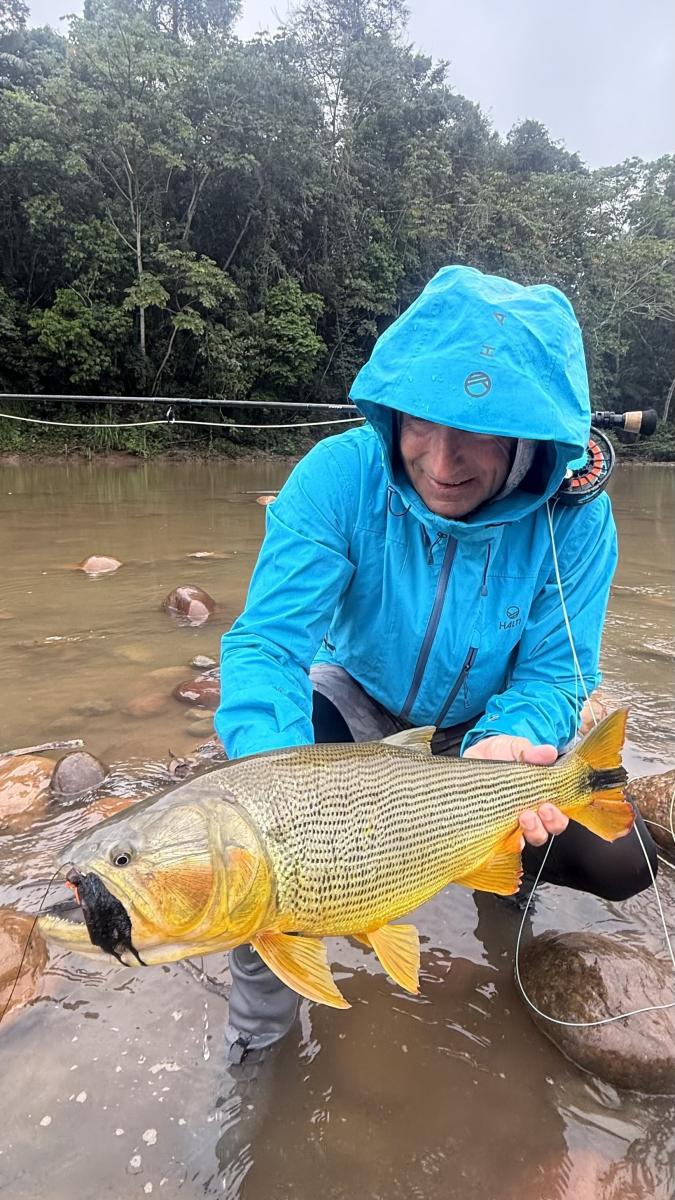
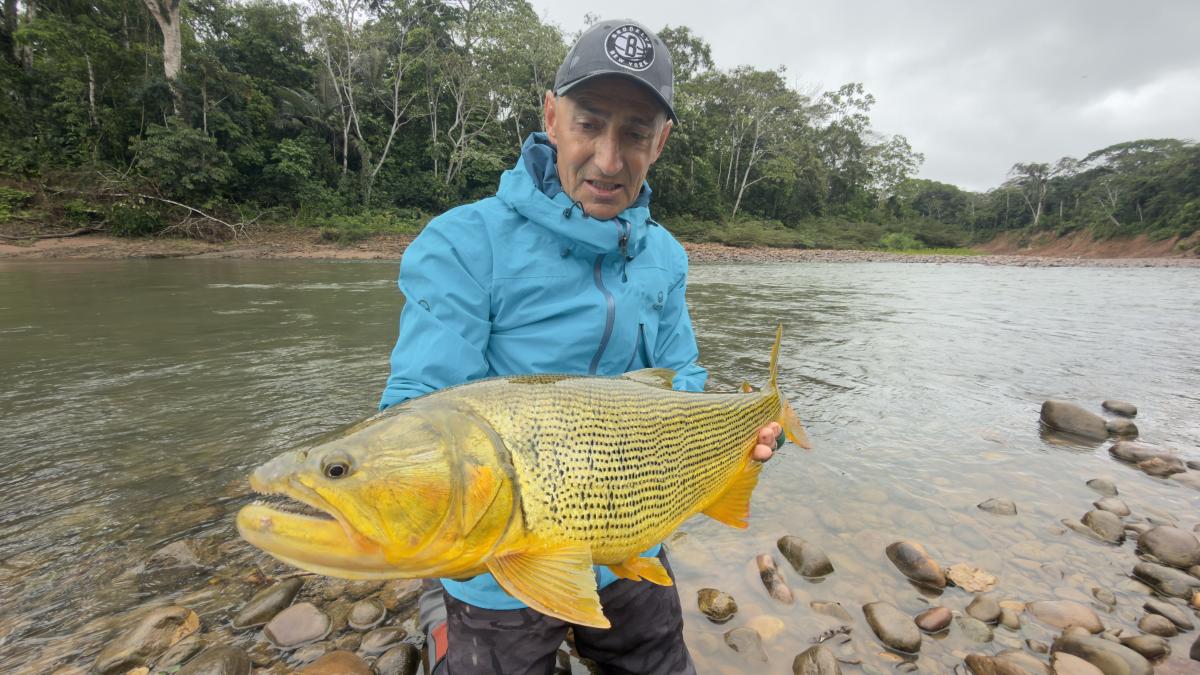
Because every team fished a different river or section each day, these differences balanced themselves out over the course of the week. In the end, everyone caught their fish. And there were some really beautiful Golden Dorados among them. Several fish measured between 80 and 95 centimeters – powerful, aggressive Dorados that produced spectacular fights in the current on fly tackle. We also caught a few Pacus, adding some welcome variety to the fishing.
This unpredictability is exactly what Tsimane is all about. When you climb into the helicopter in the morning, you never really know what the day will bring. A river can look absolutely perfect and still produce only a handful of fish. Another stretch can suddenly surprise you with fantastic fishing. There are no guarantees out here. And that is exactly why every good fish feels well earned.

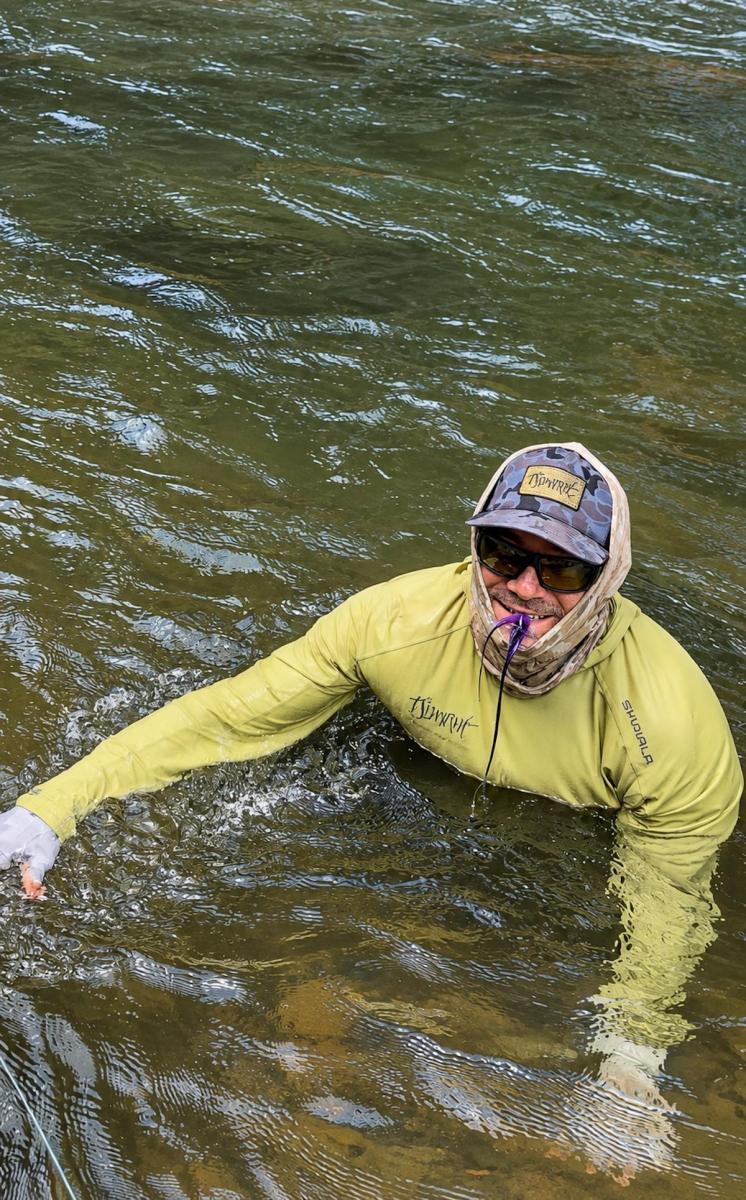
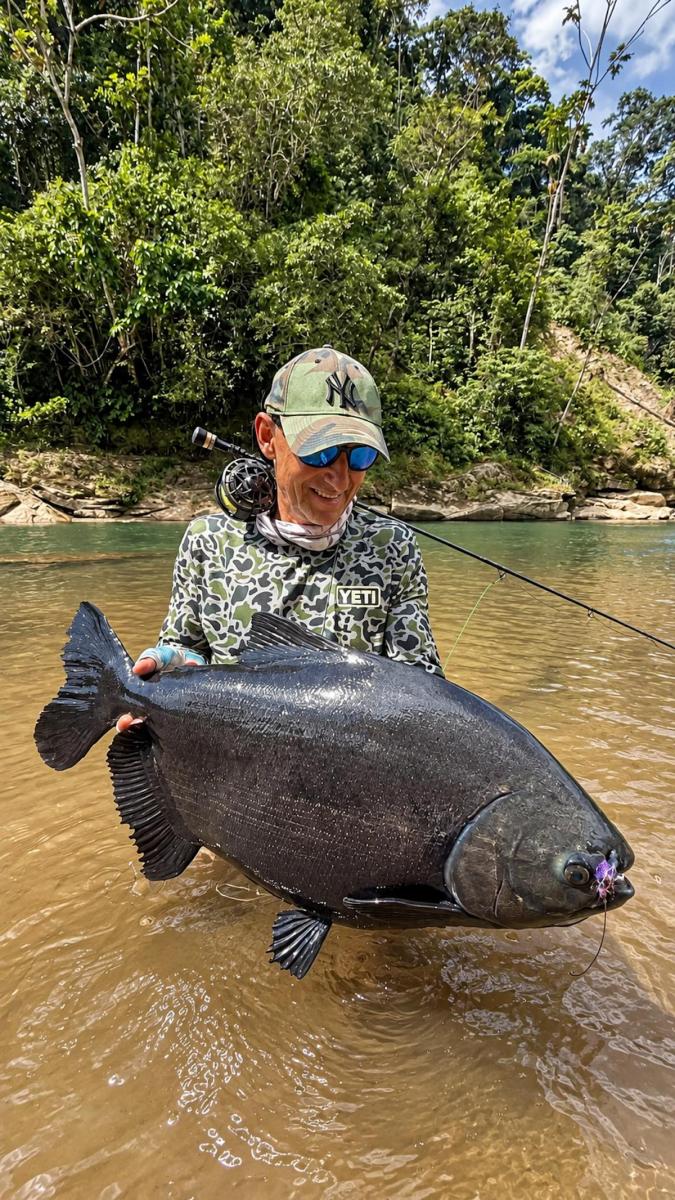
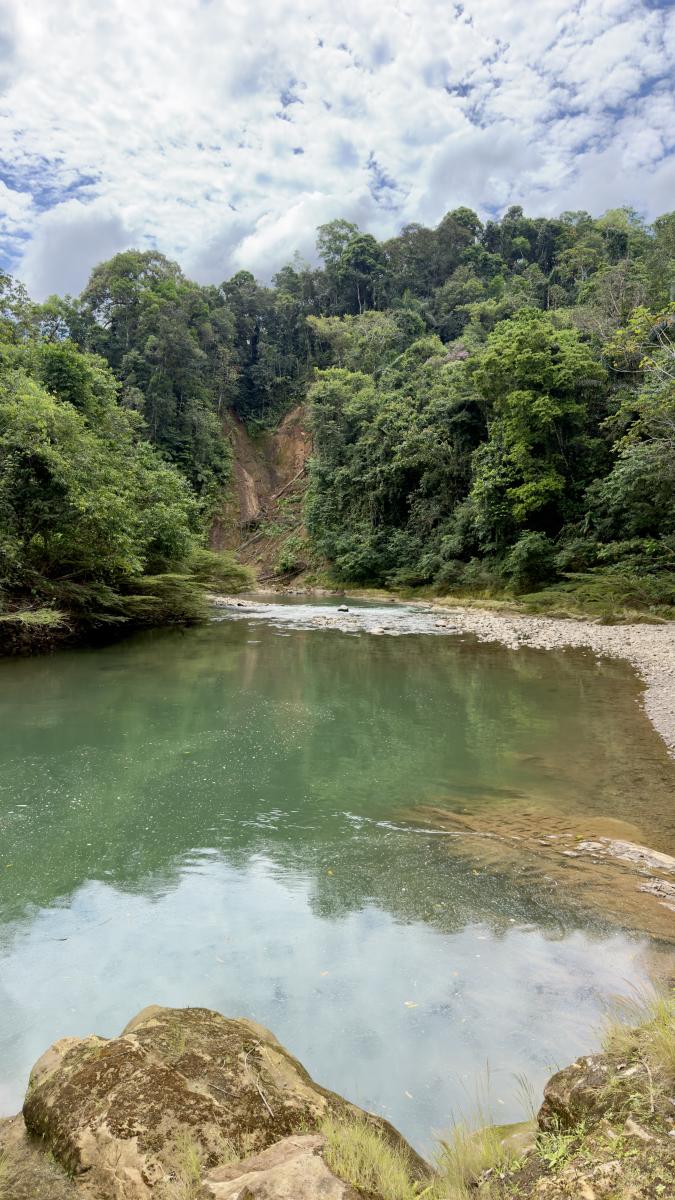
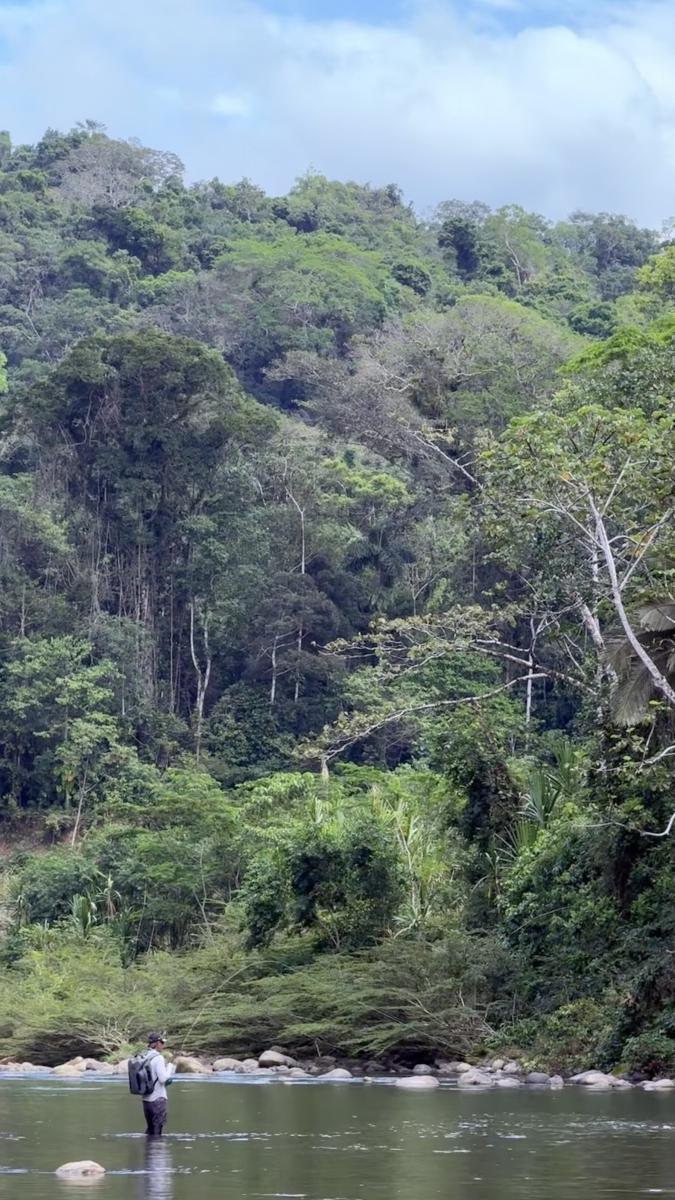



In the Heart of Wild Bolivia
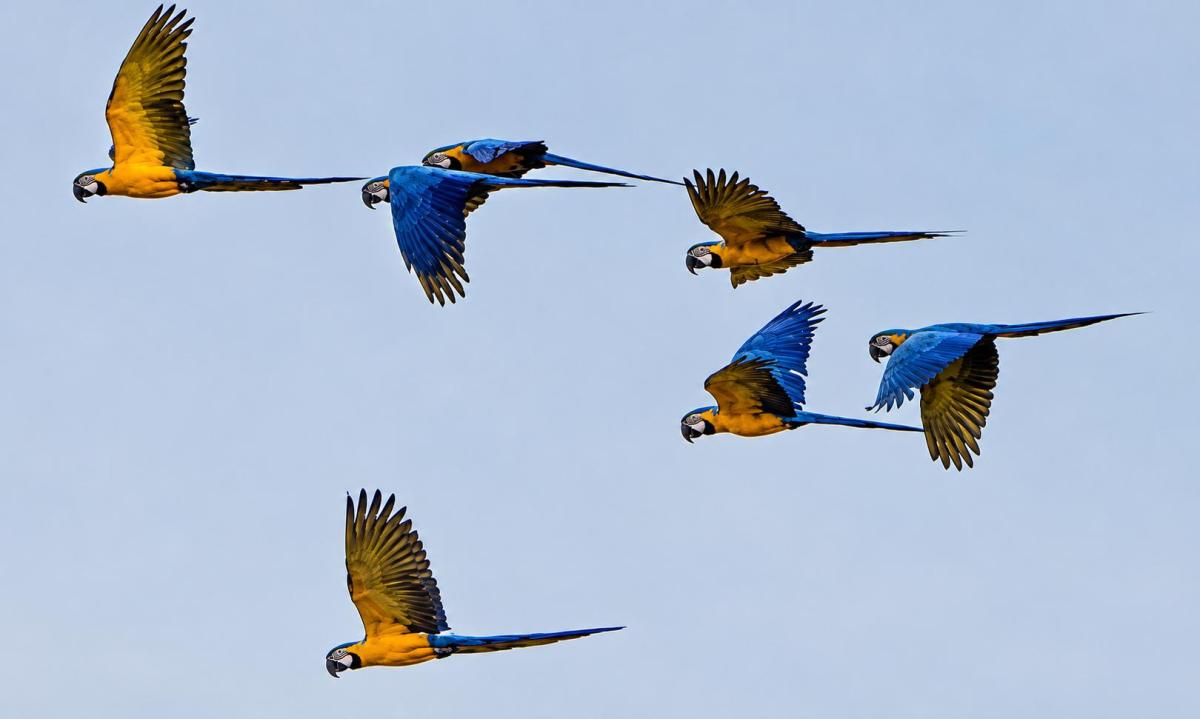
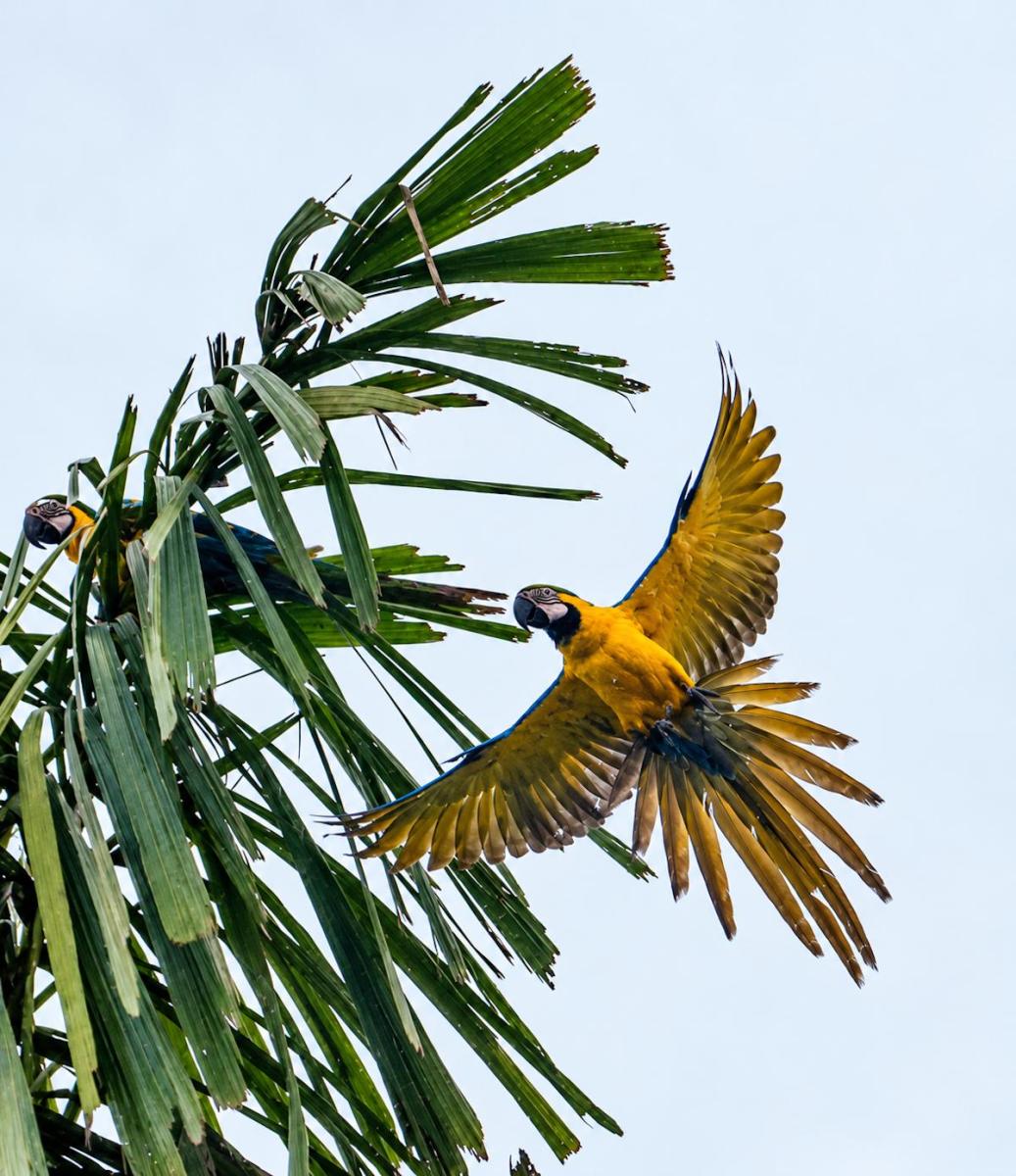
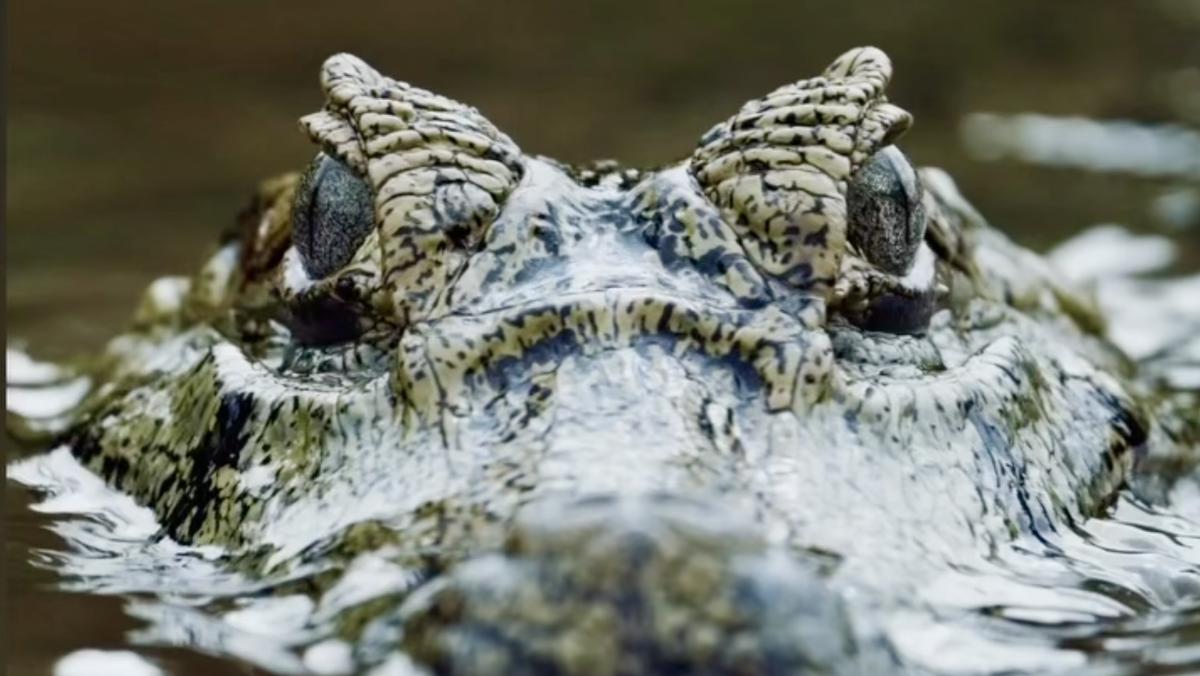
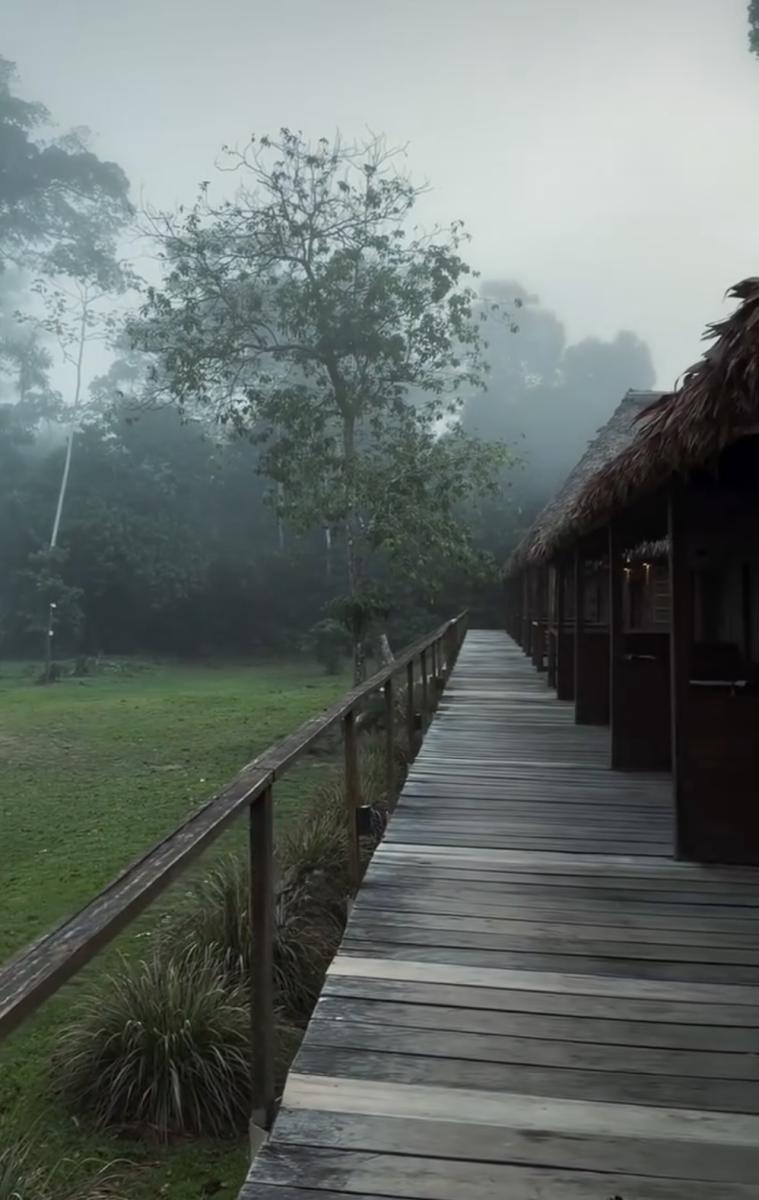
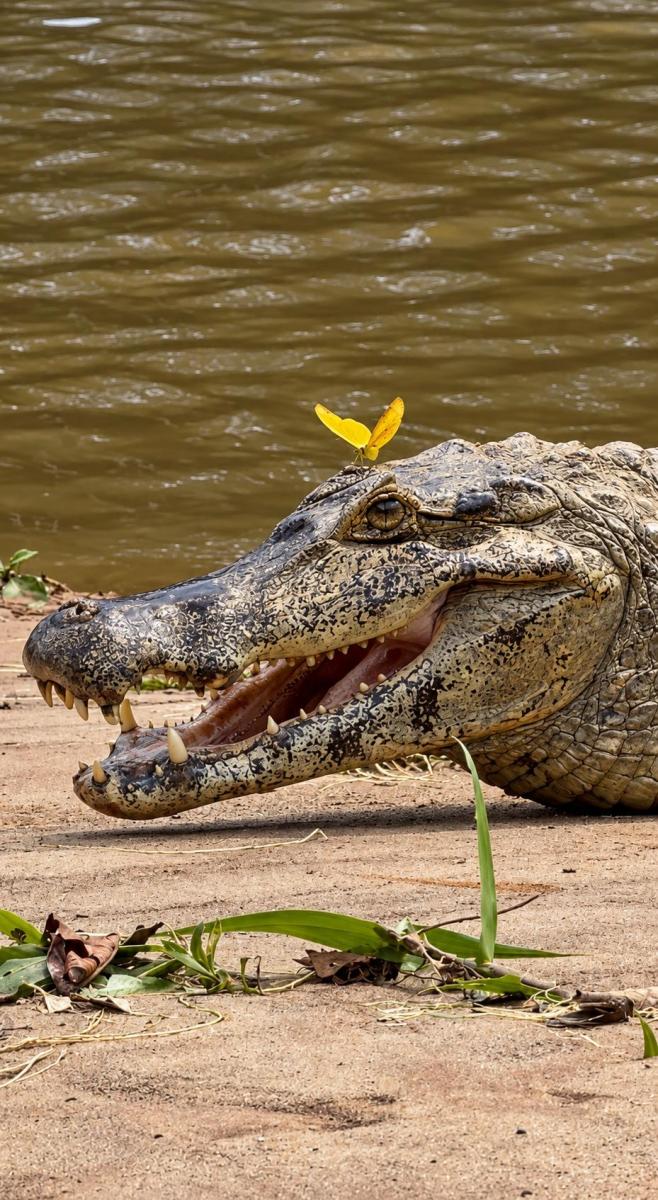
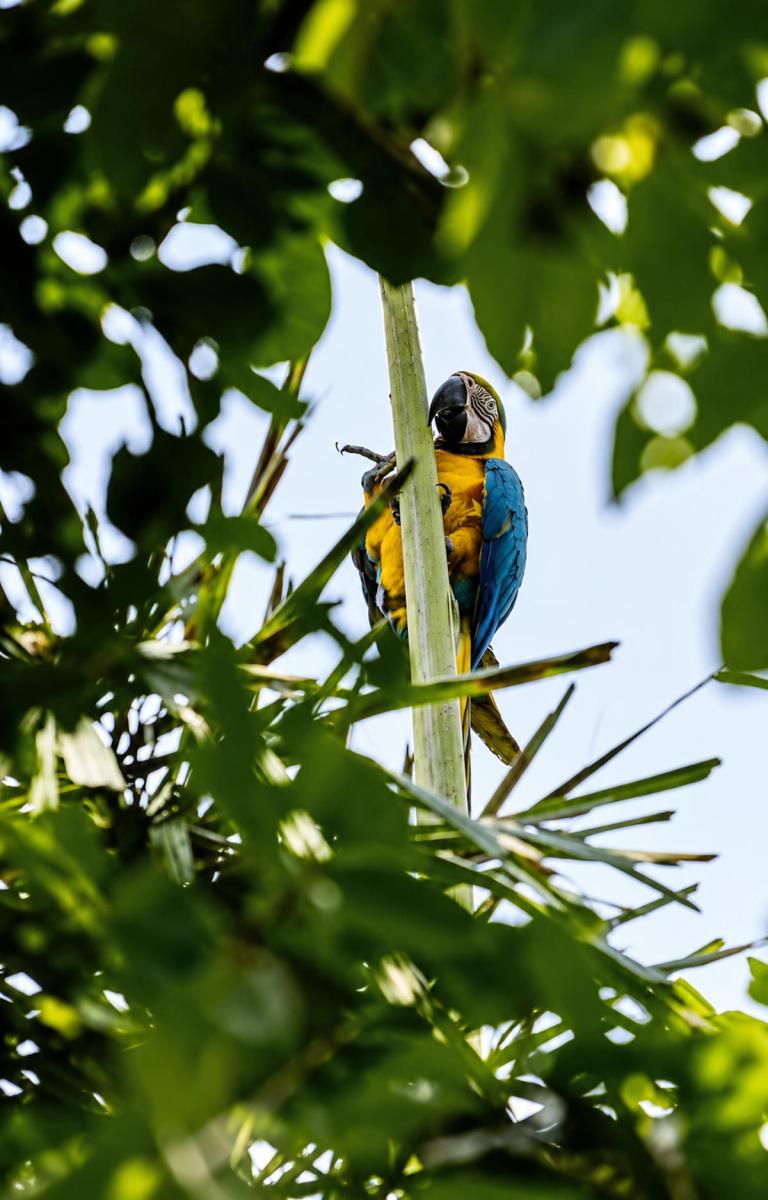
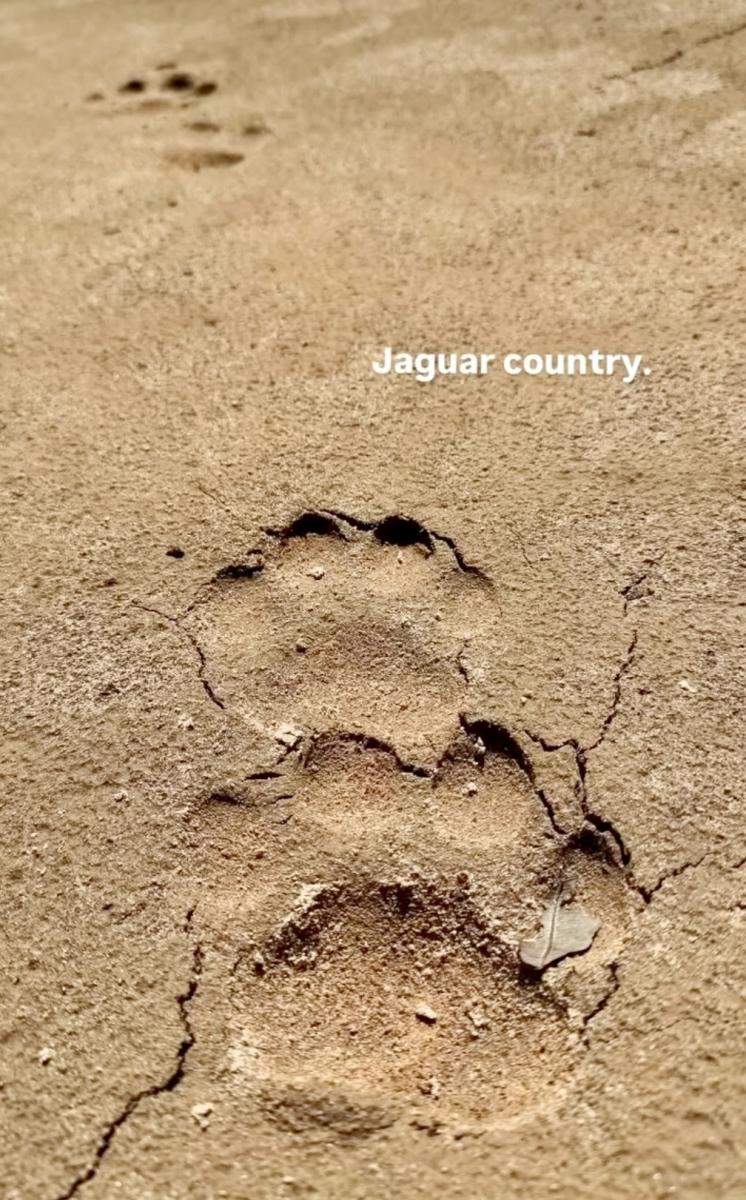
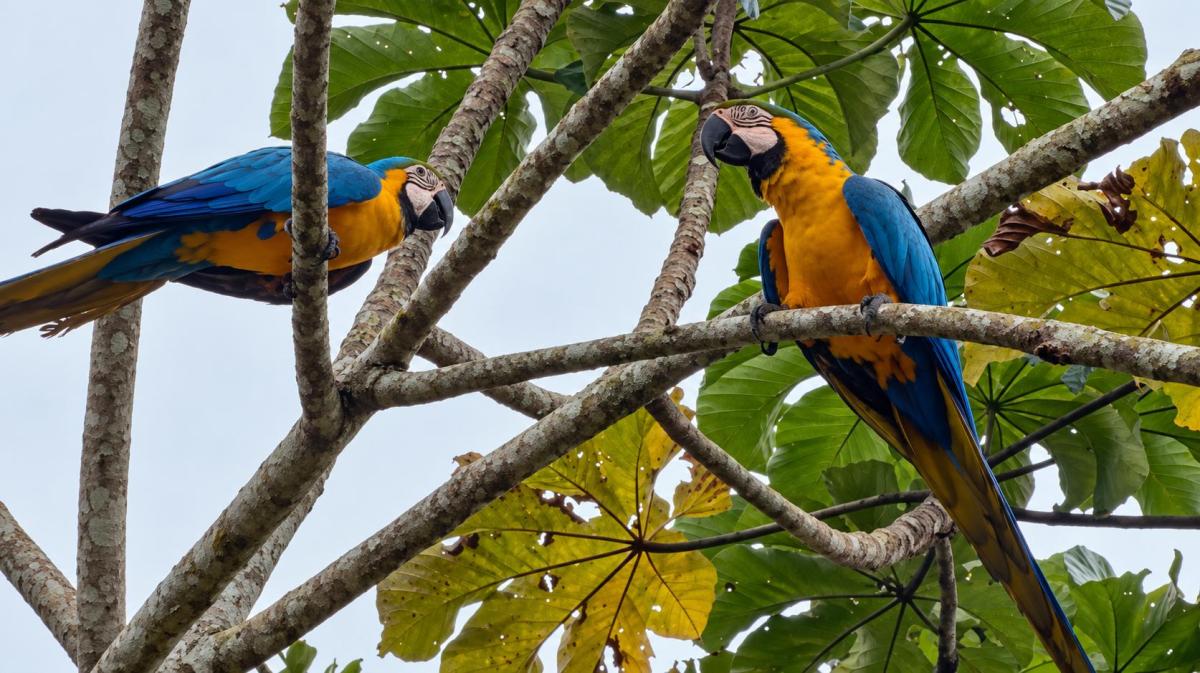
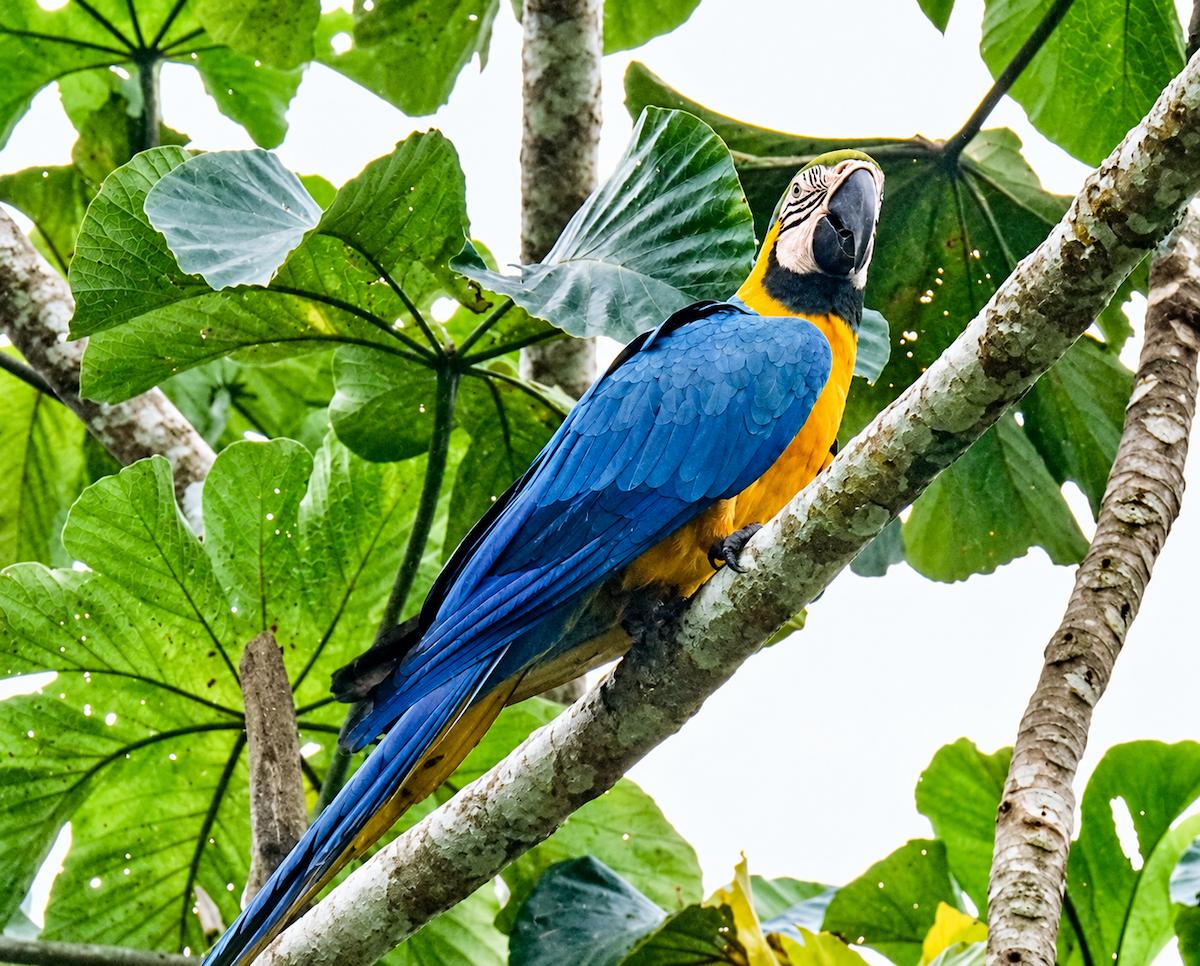
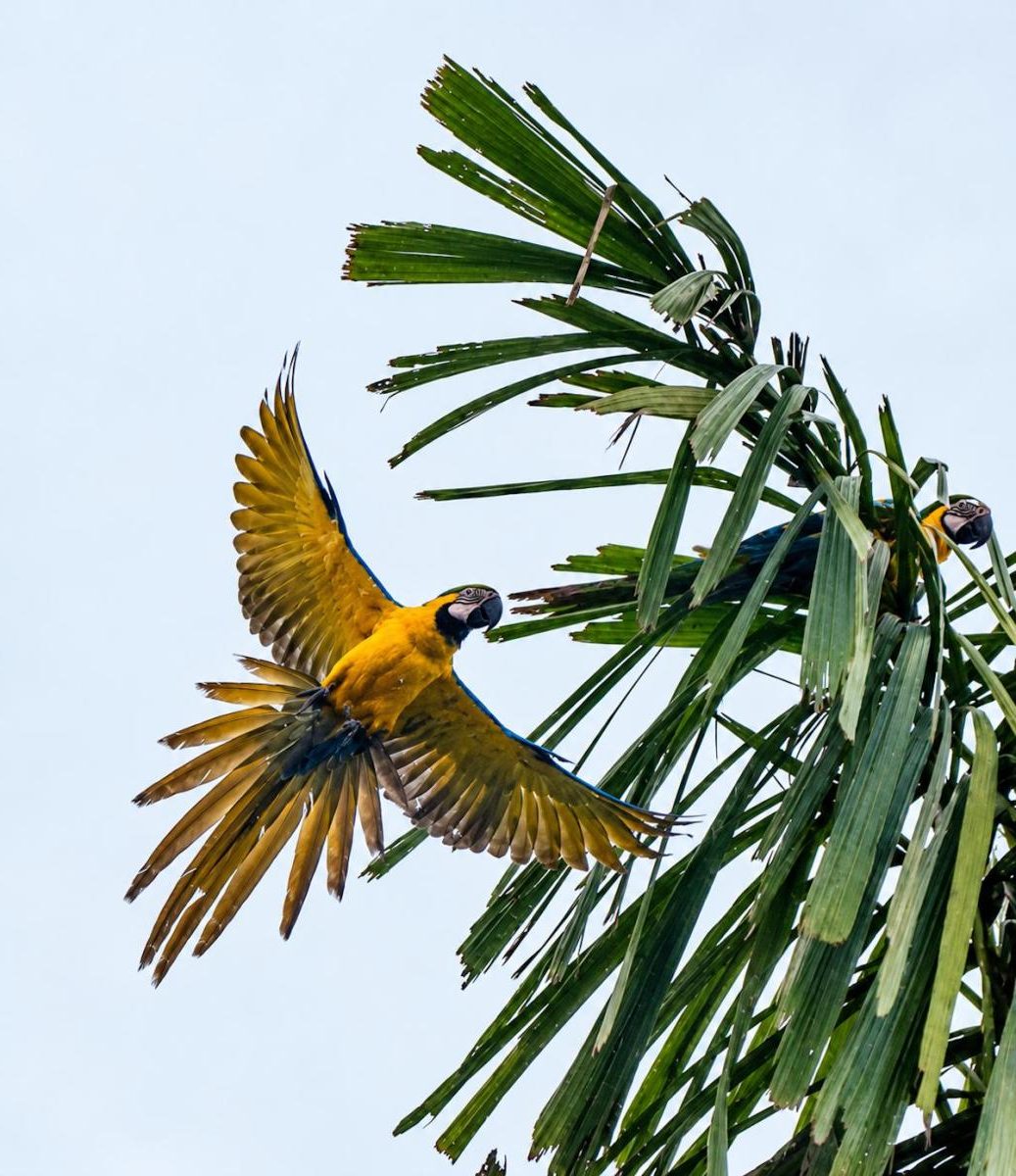
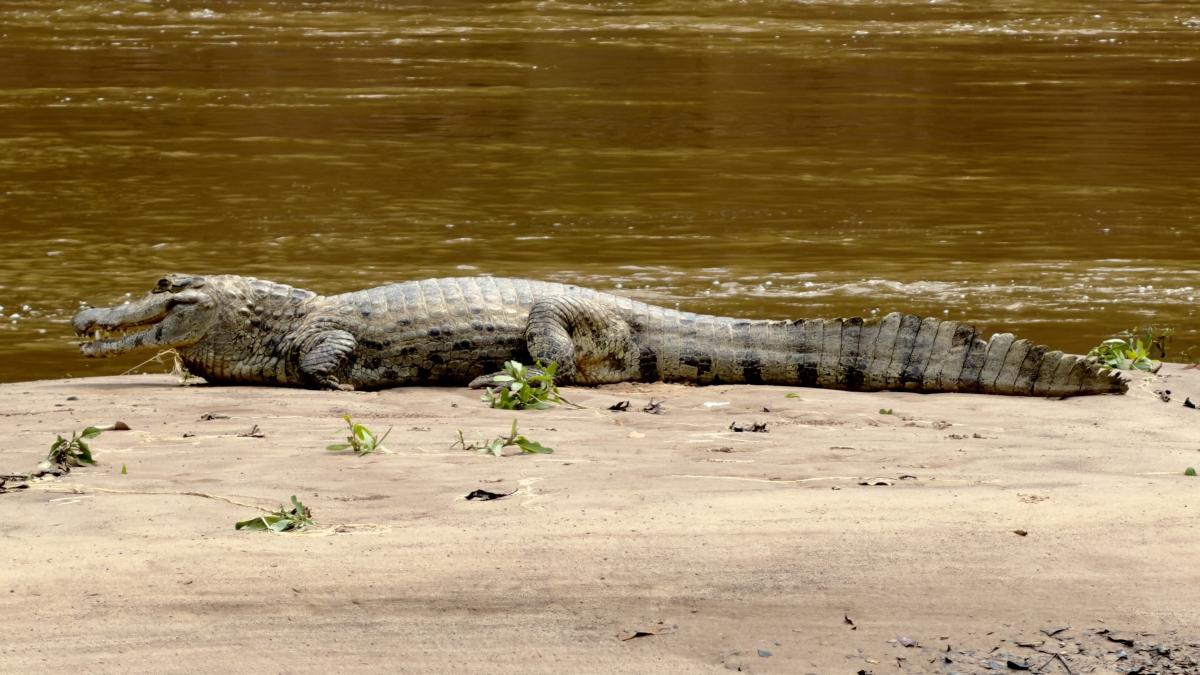
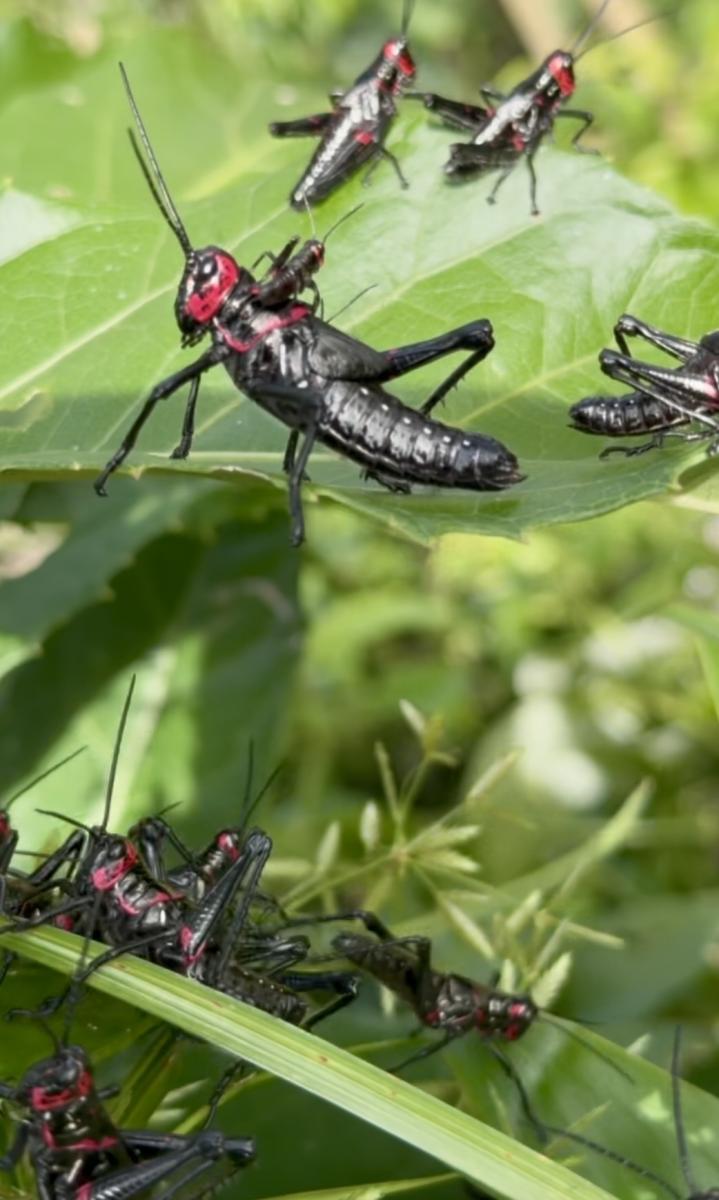
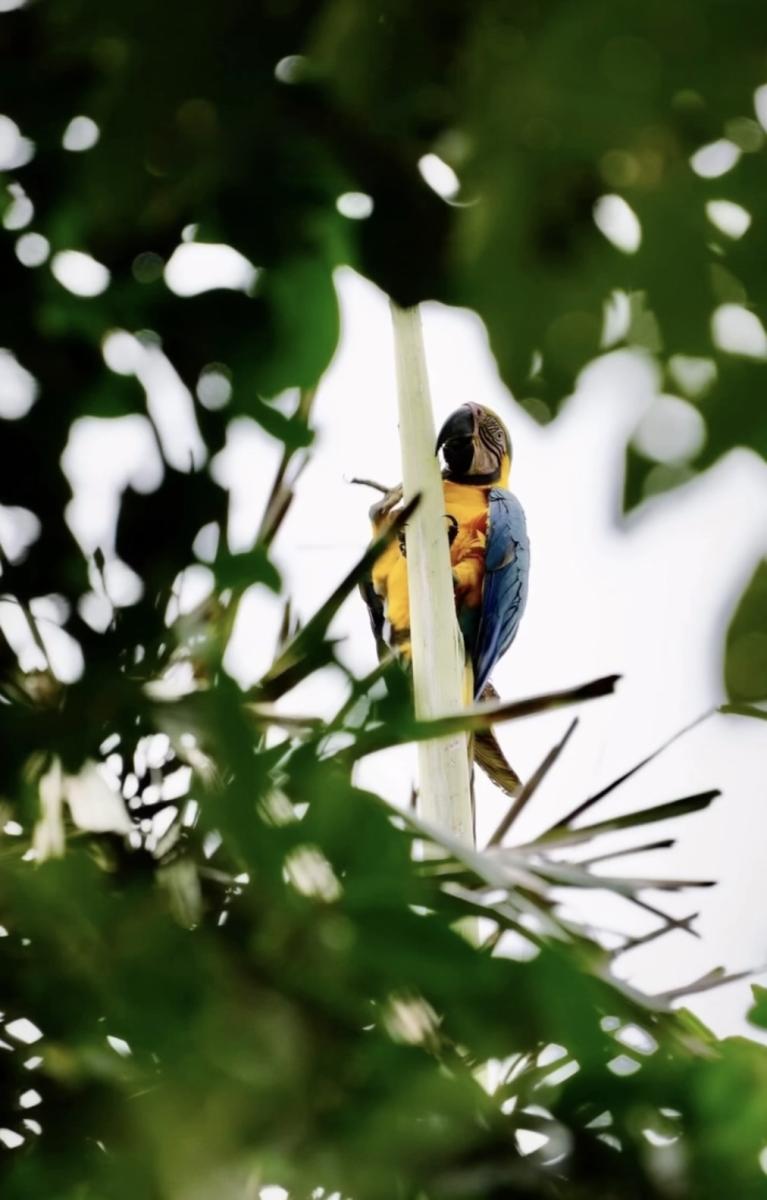
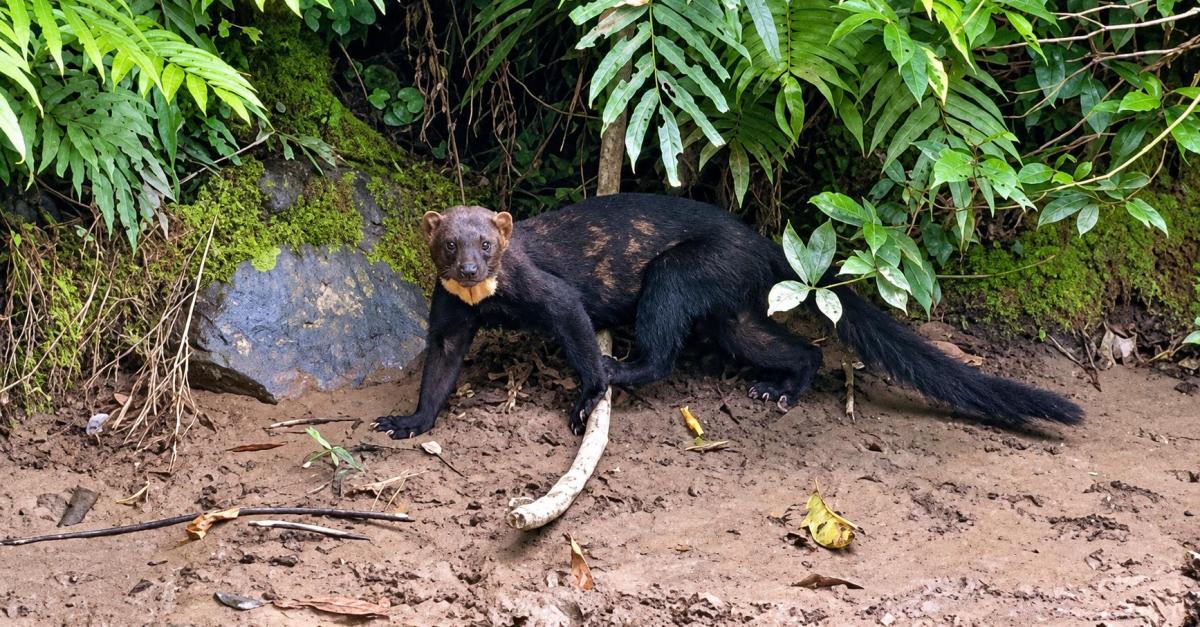
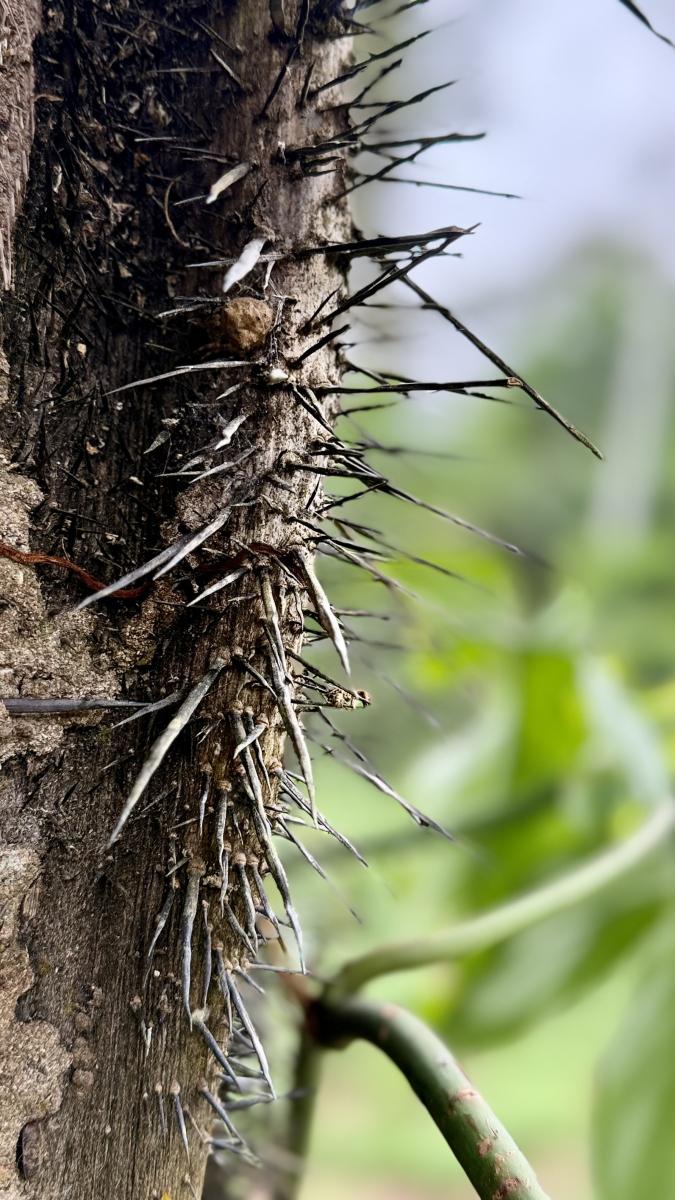
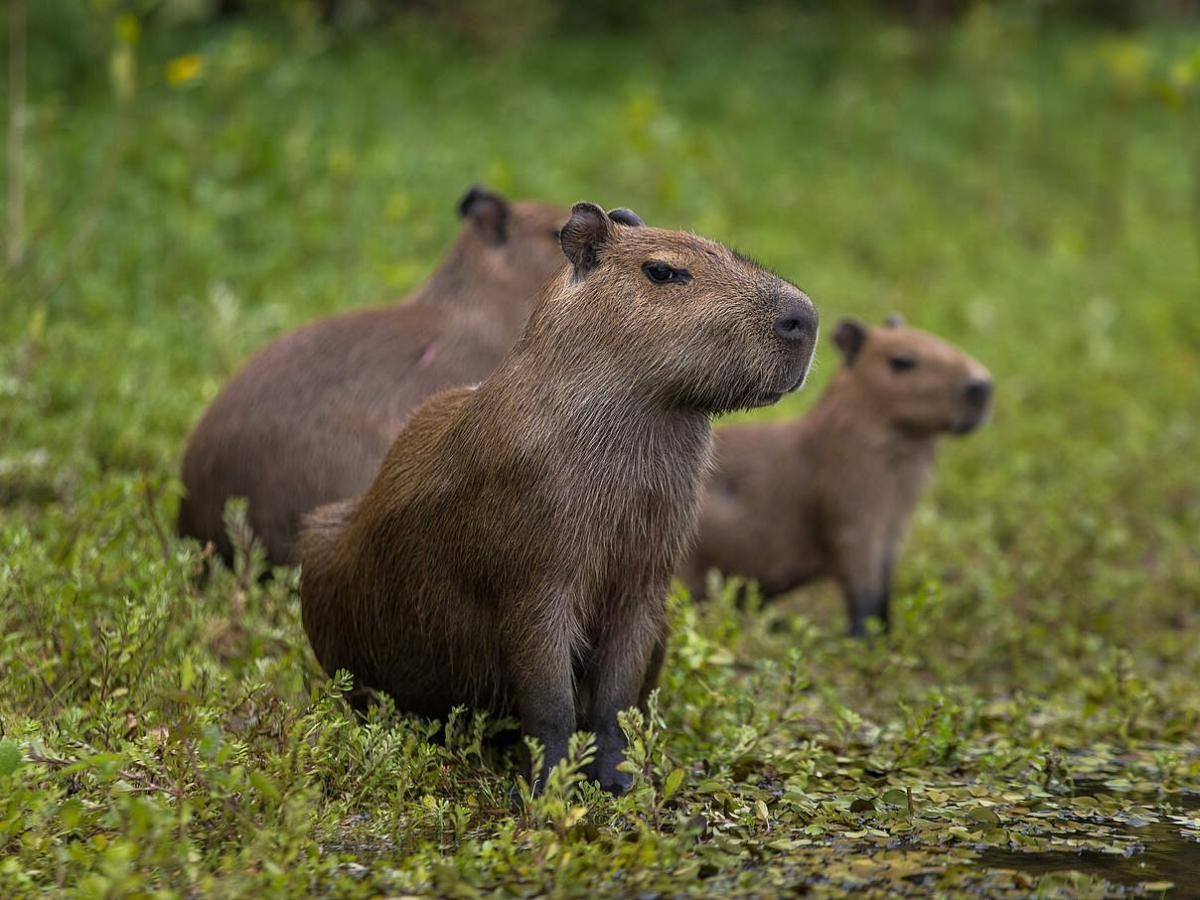
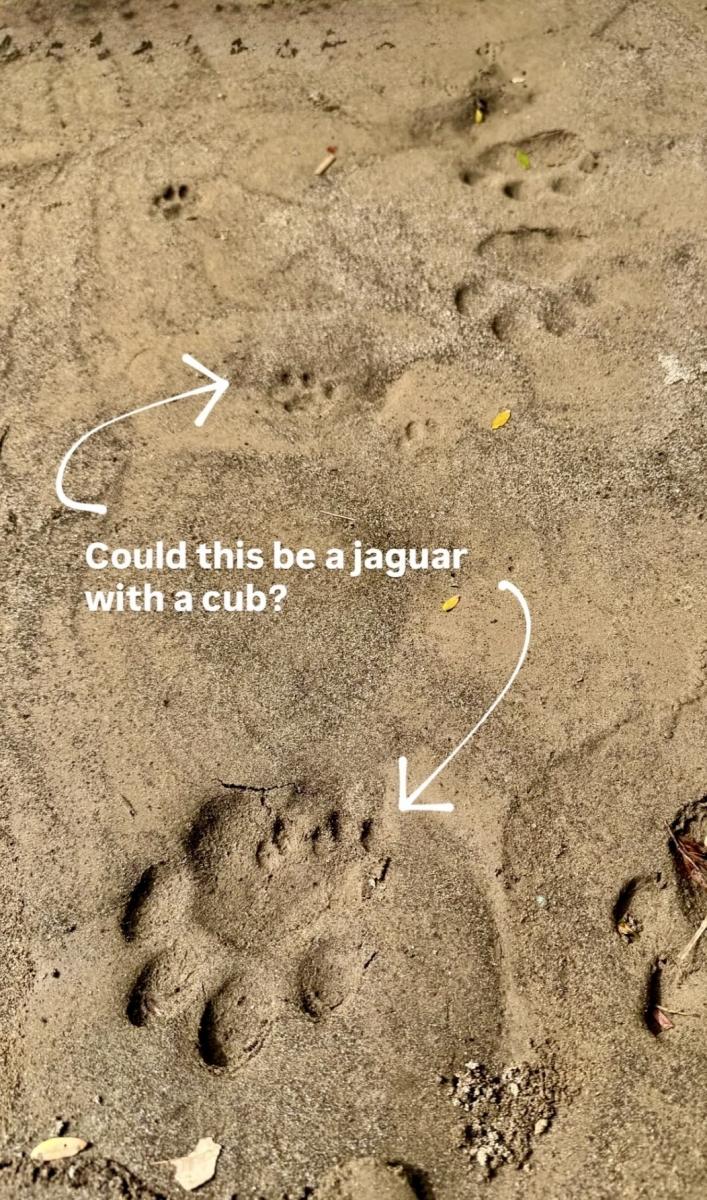
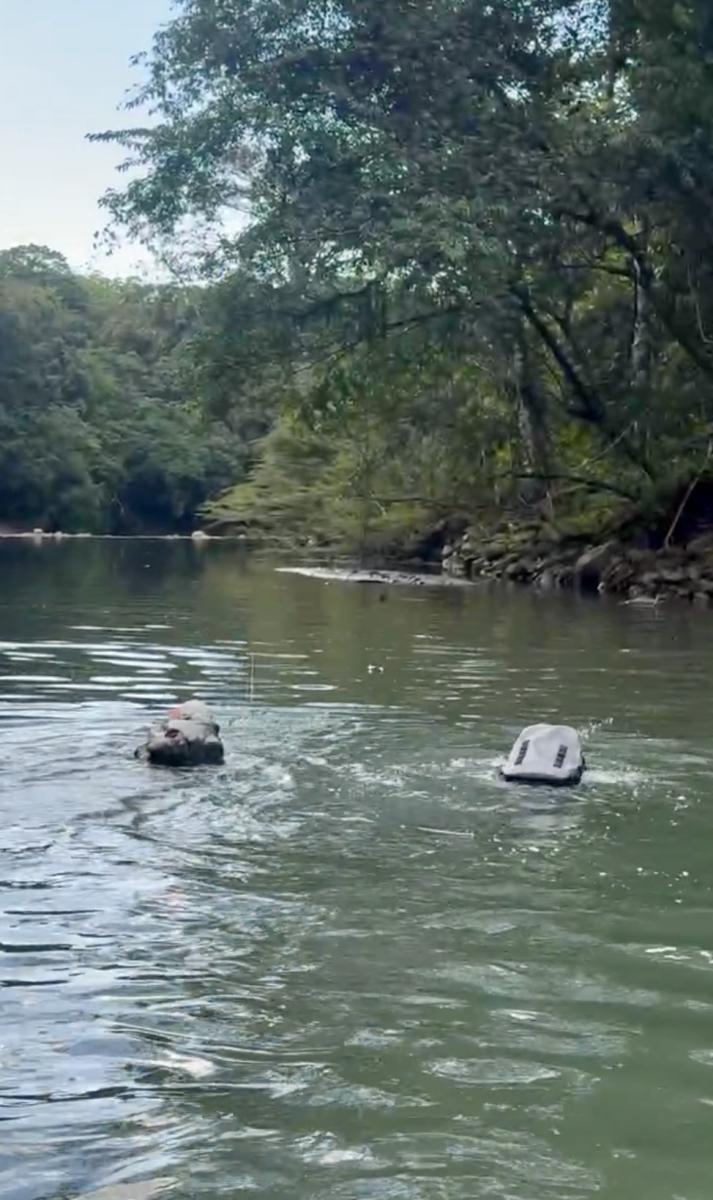
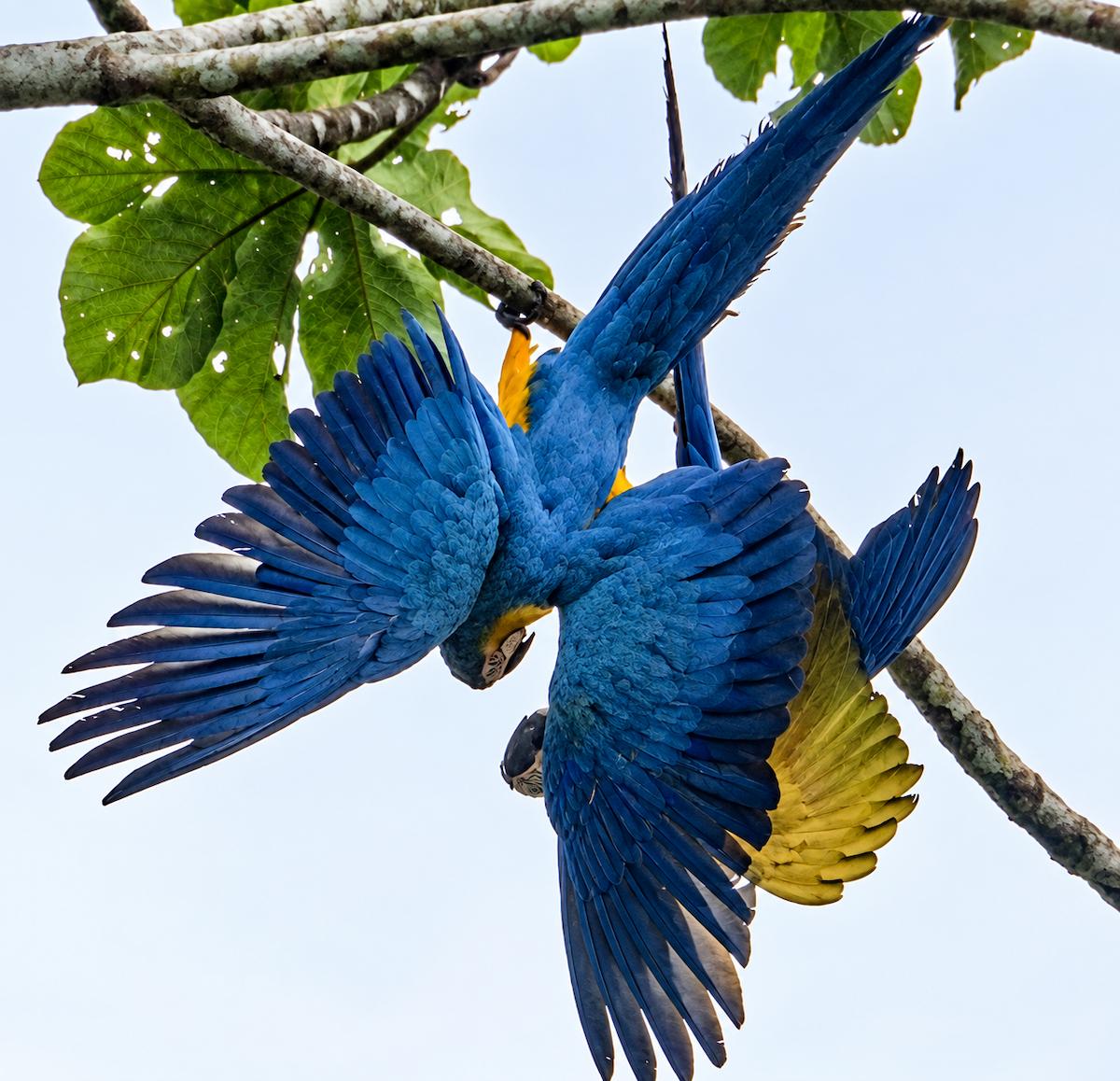
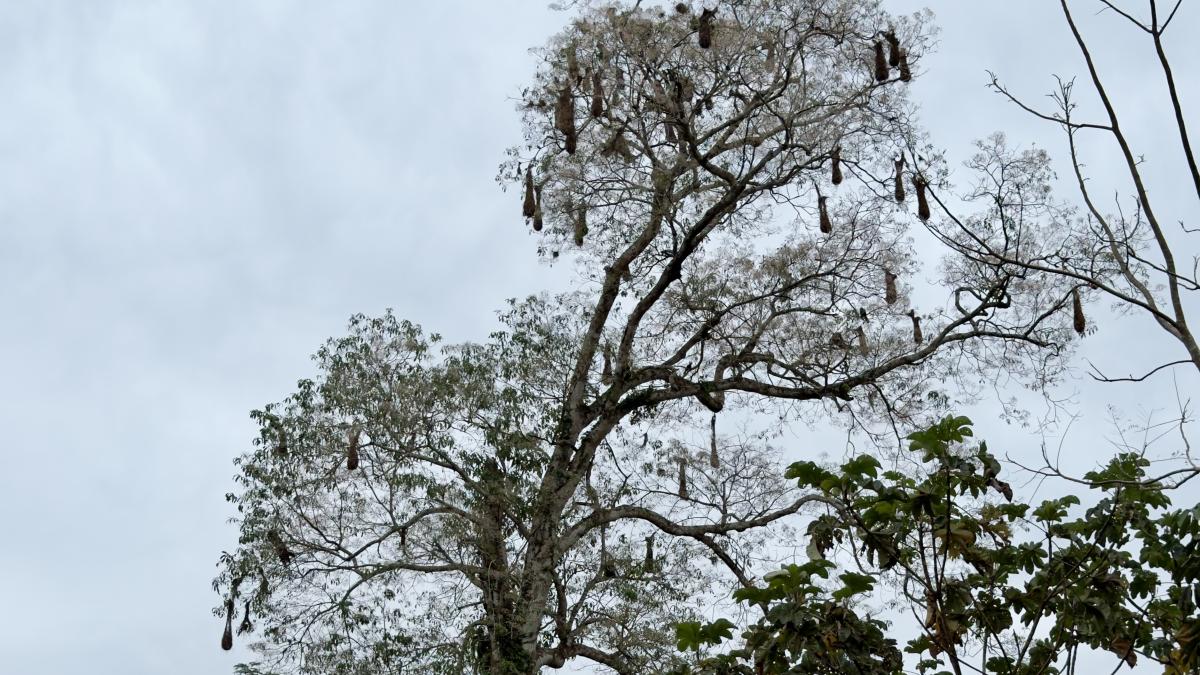
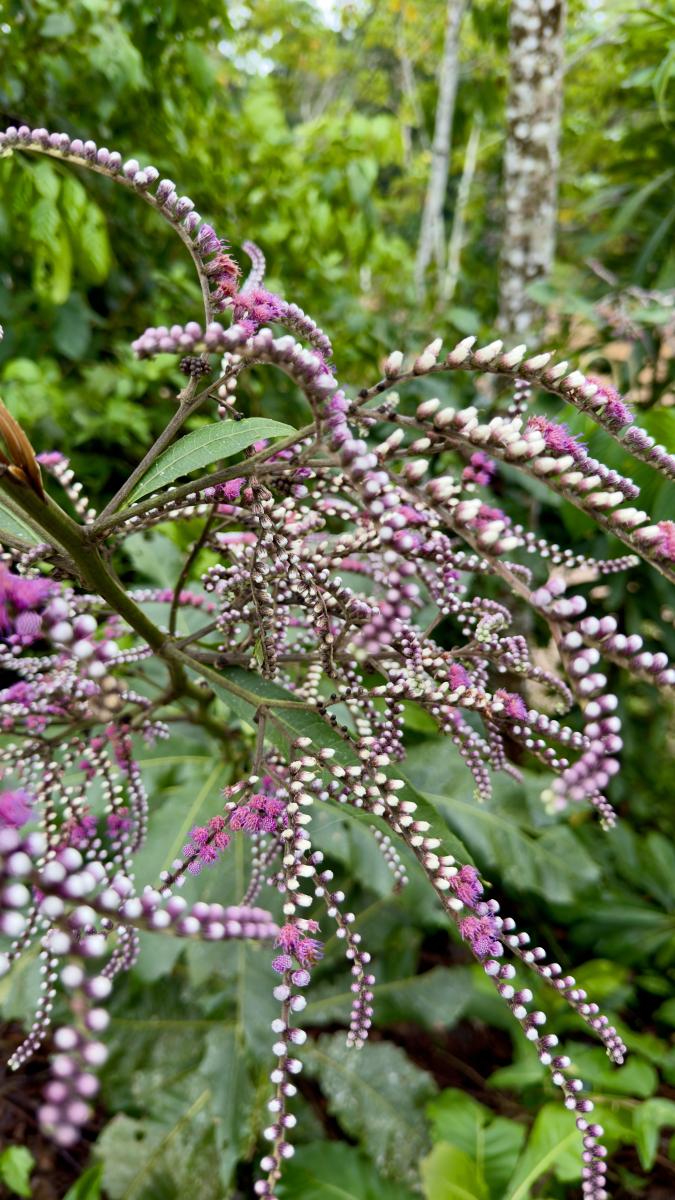
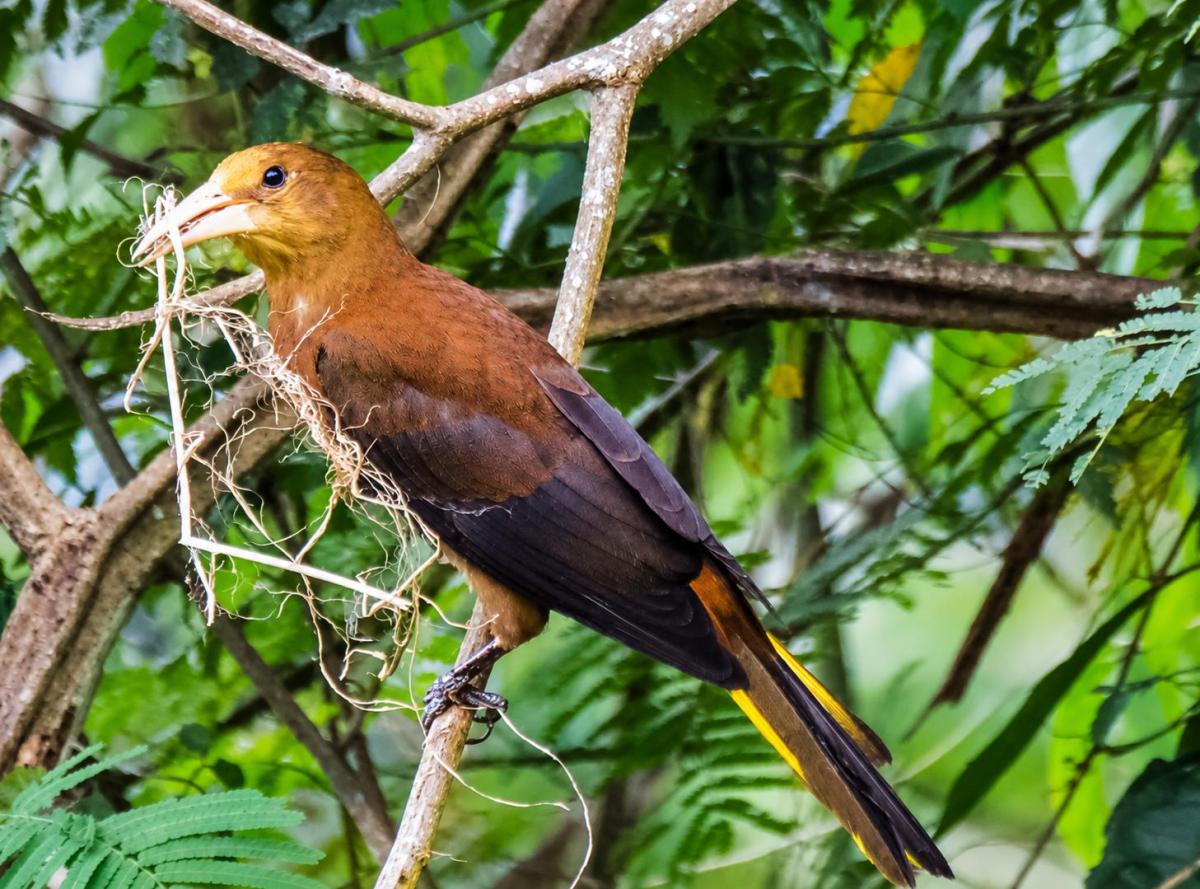
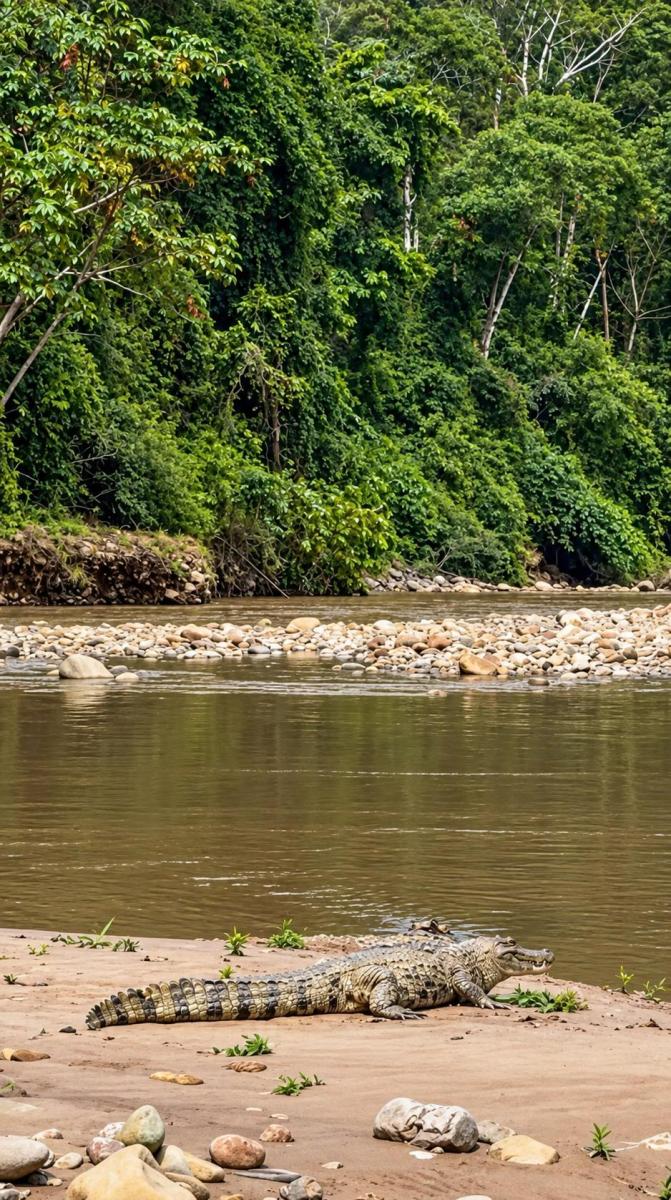
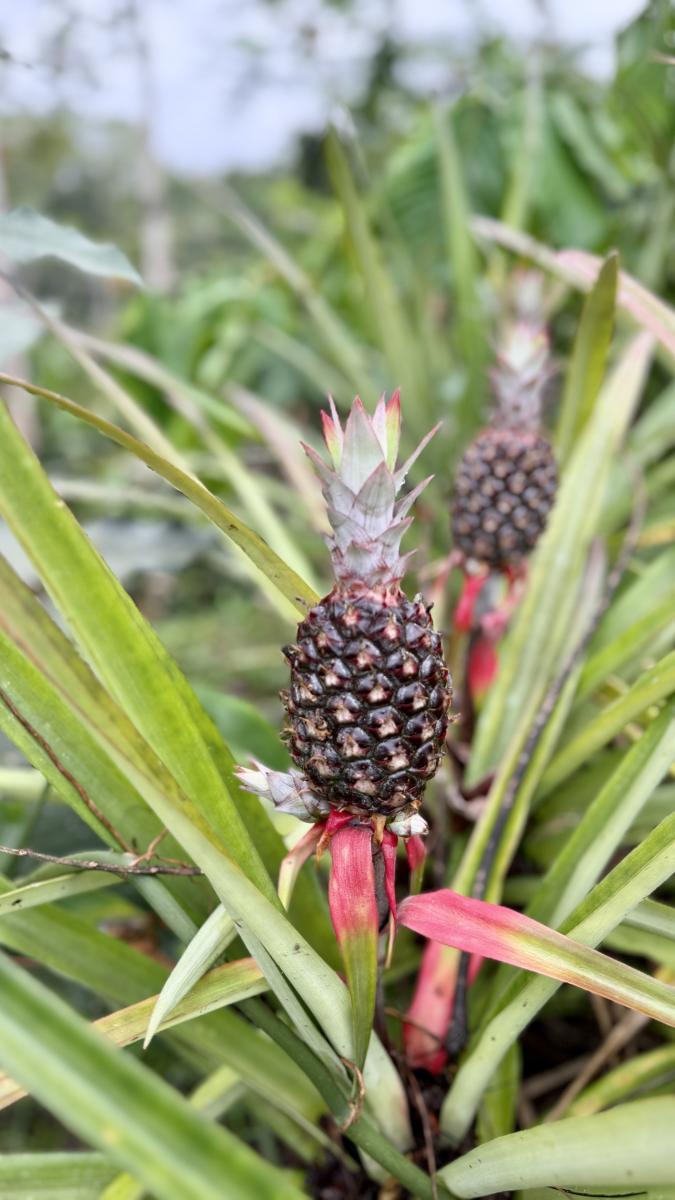
As extraordinary as the Golden Dorado fishing is, Tsimane is about much more than fishing. For me, it is the incredible natural environment that leaves such a lasting impression. The experience begins early in the morning. As daylight breaks, the jungle comes alive and you wake up in camp to a soundscape that is almost impossible to describe. Birds call from every direction, parrots fly noisily across the treetops and monkeys make themselves heard in the forest. Within minutes, the entire rainforest seems to come alive. Wildlife is also a constant presence while fishing. Caimans are an almost daily sight, as are fresh jaguar tracks along the sandbanks. Occasionally, wild cats can be spotted near the river, and on one occasion we watched a mink-like member of the weasel family making its way along the riverbank.
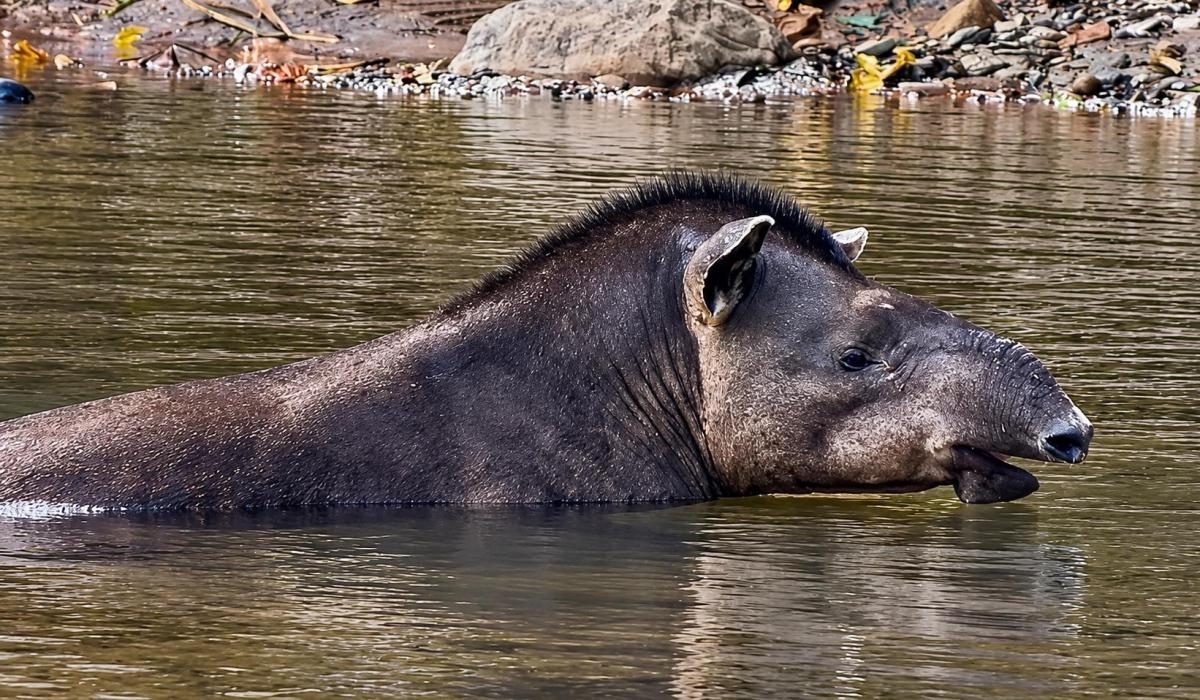
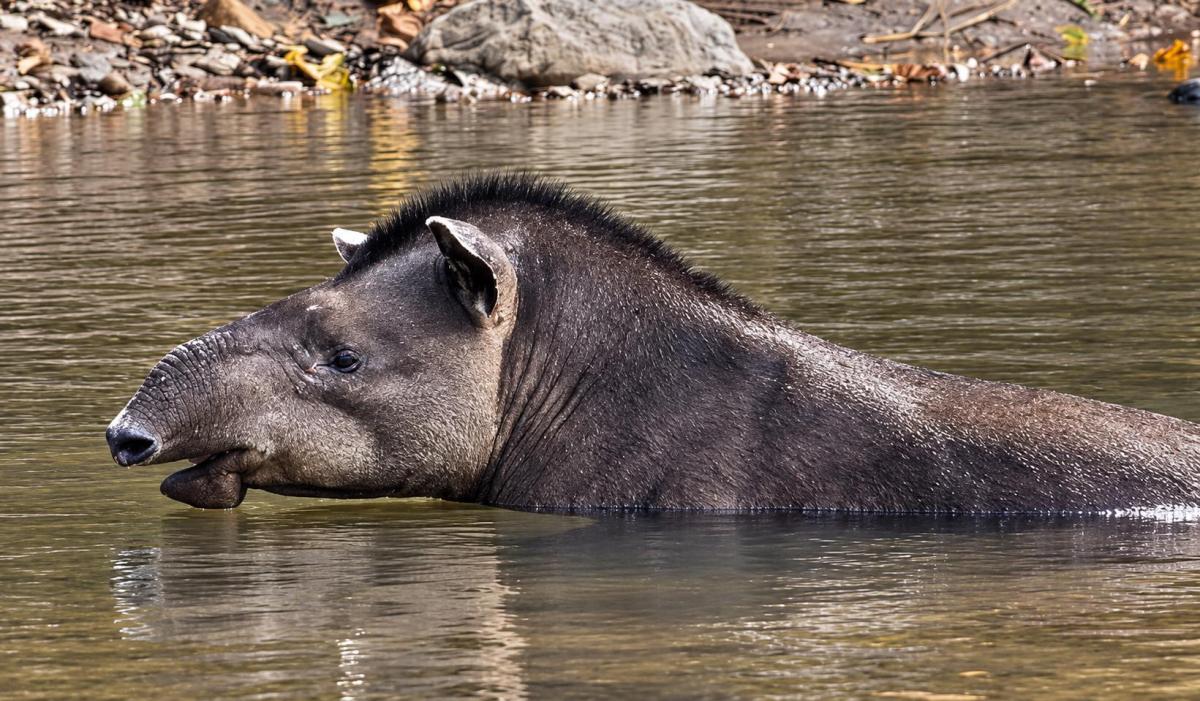
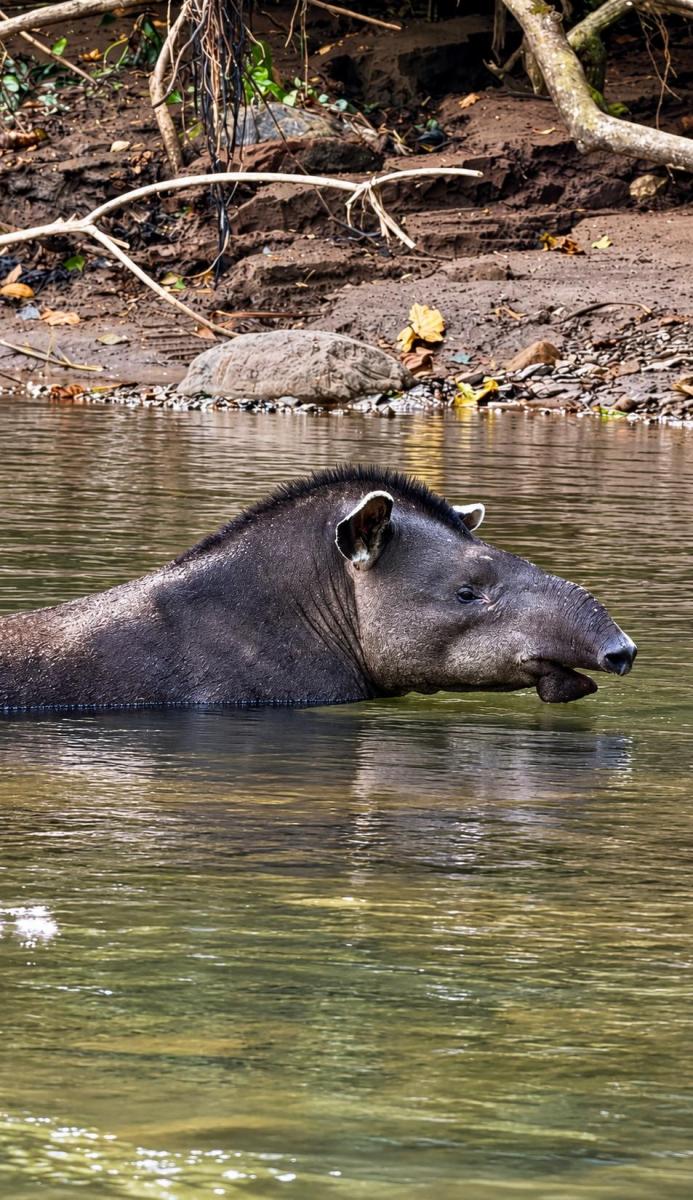
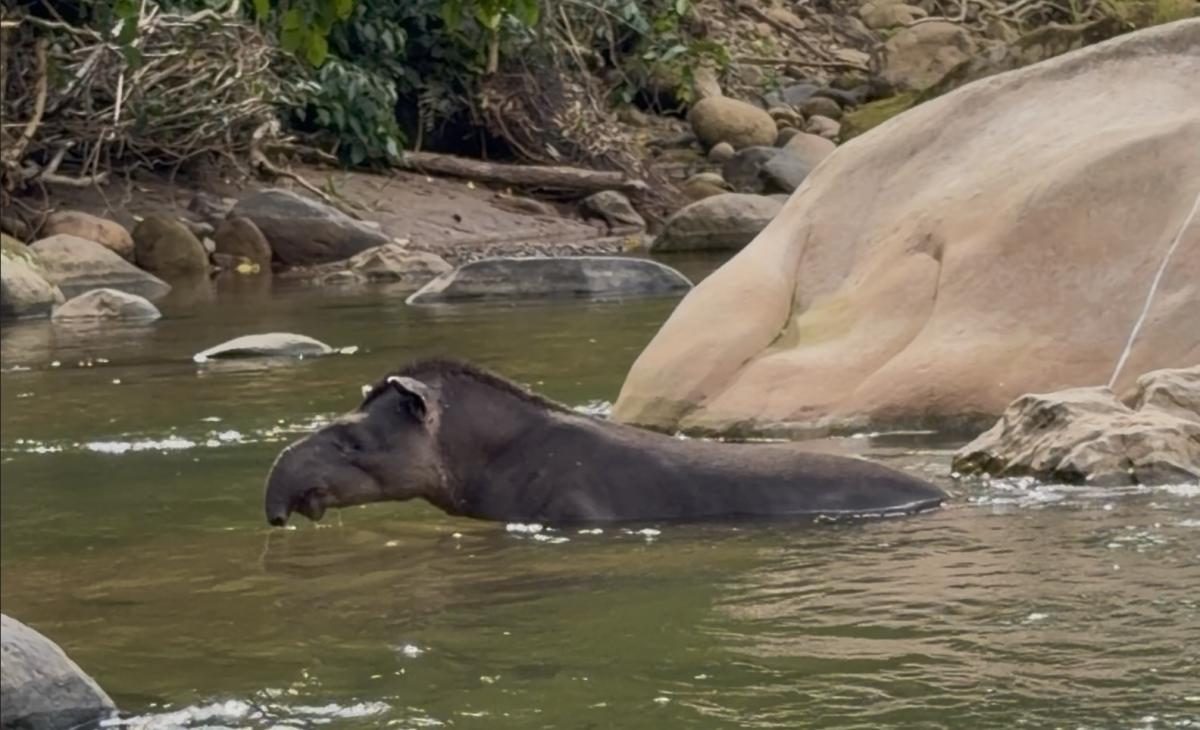
One of my most memorable encounters, however, happened while I was standing right in the middle of the river. Just a few meters behind me, a huge tapir suddenly appeared from the water. Surprisingly, it showed absolutely no fear. For a brief moment, we were practically standing together in the river – me with my fly rod and this impressive animal just a few meters behind me. An encounter I will certainly never forget.
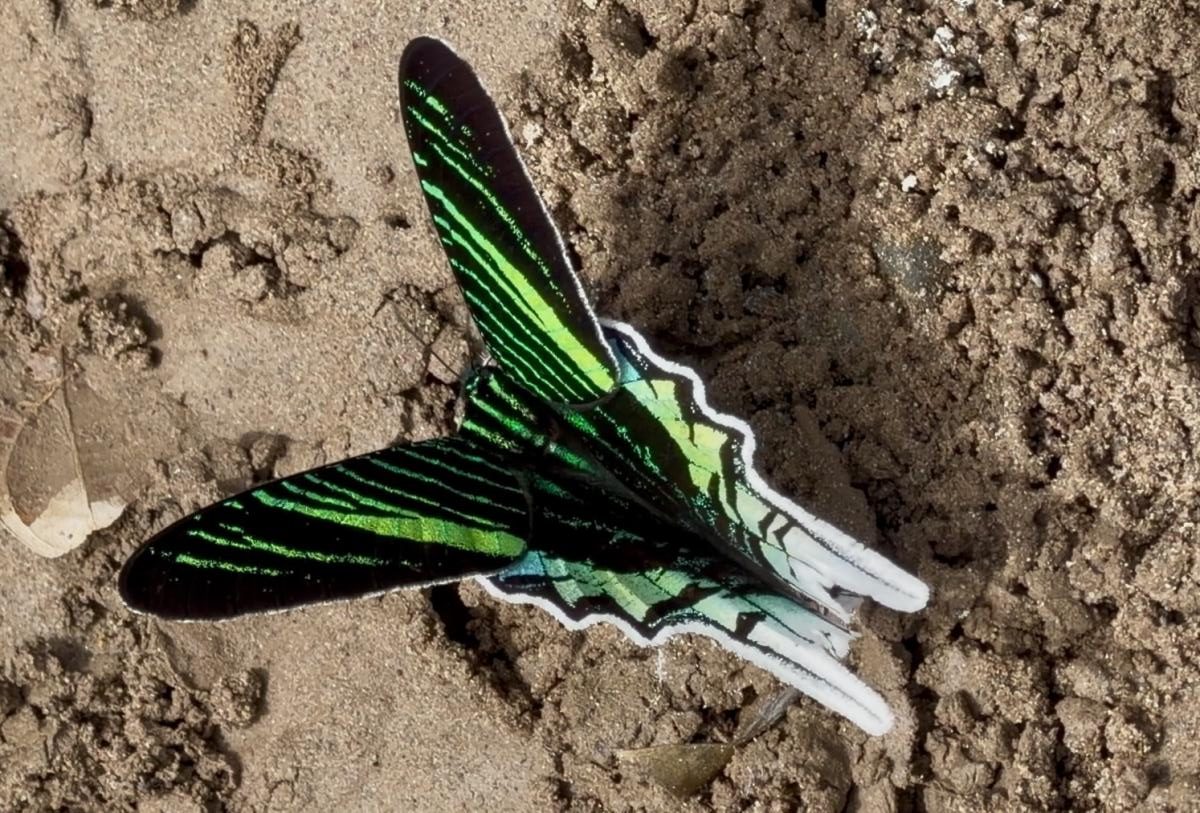
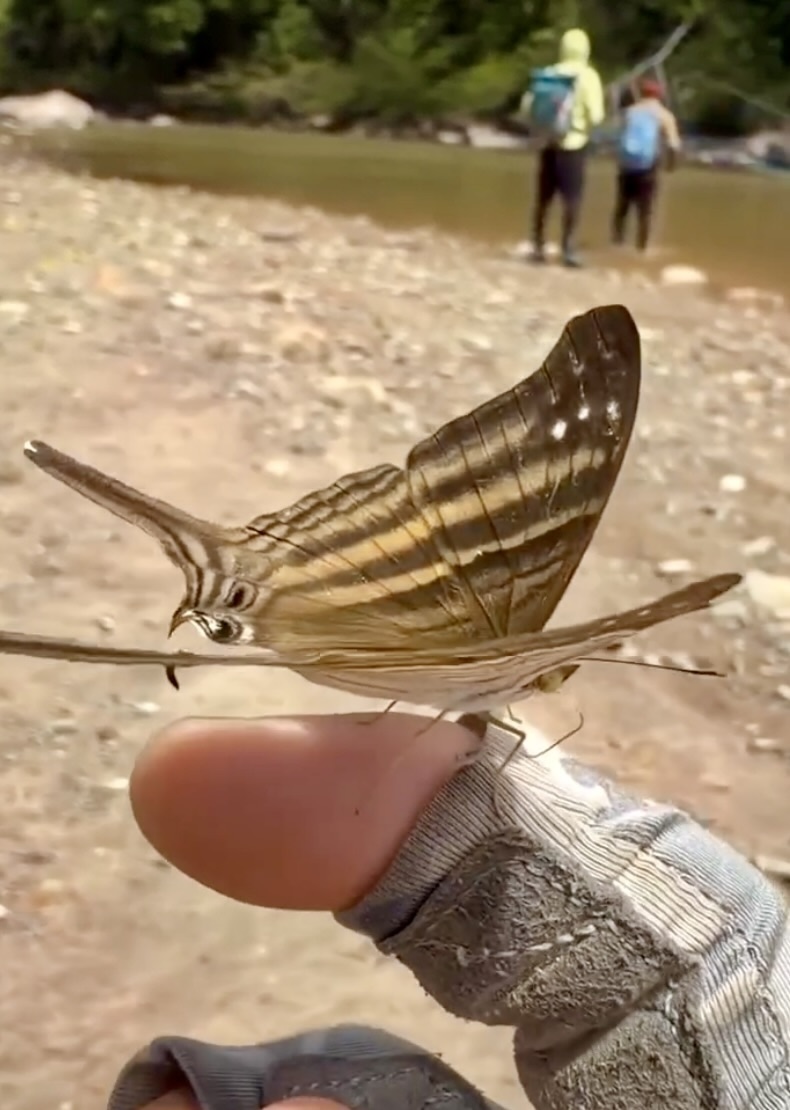
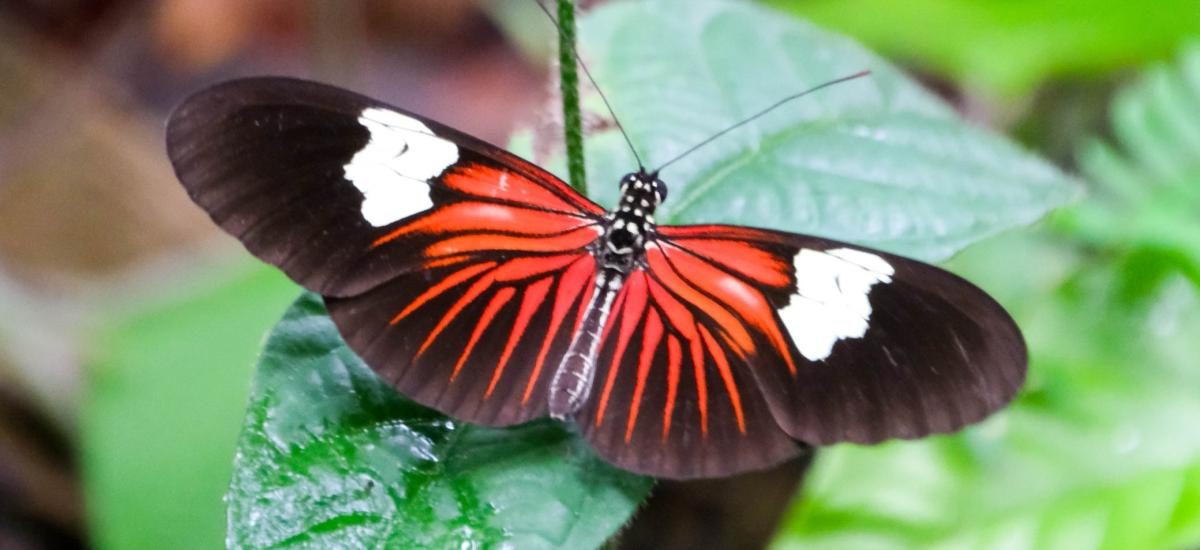
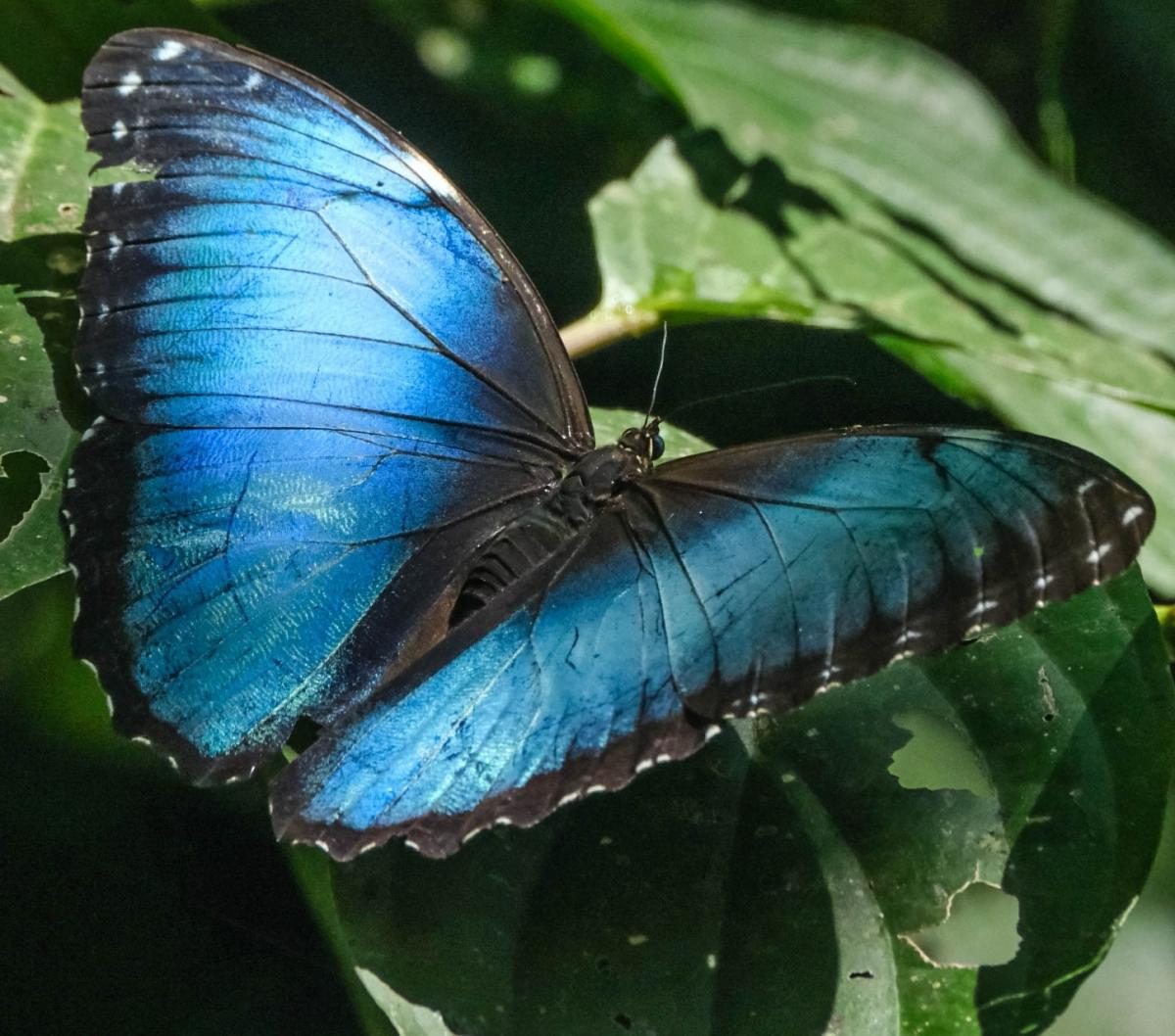
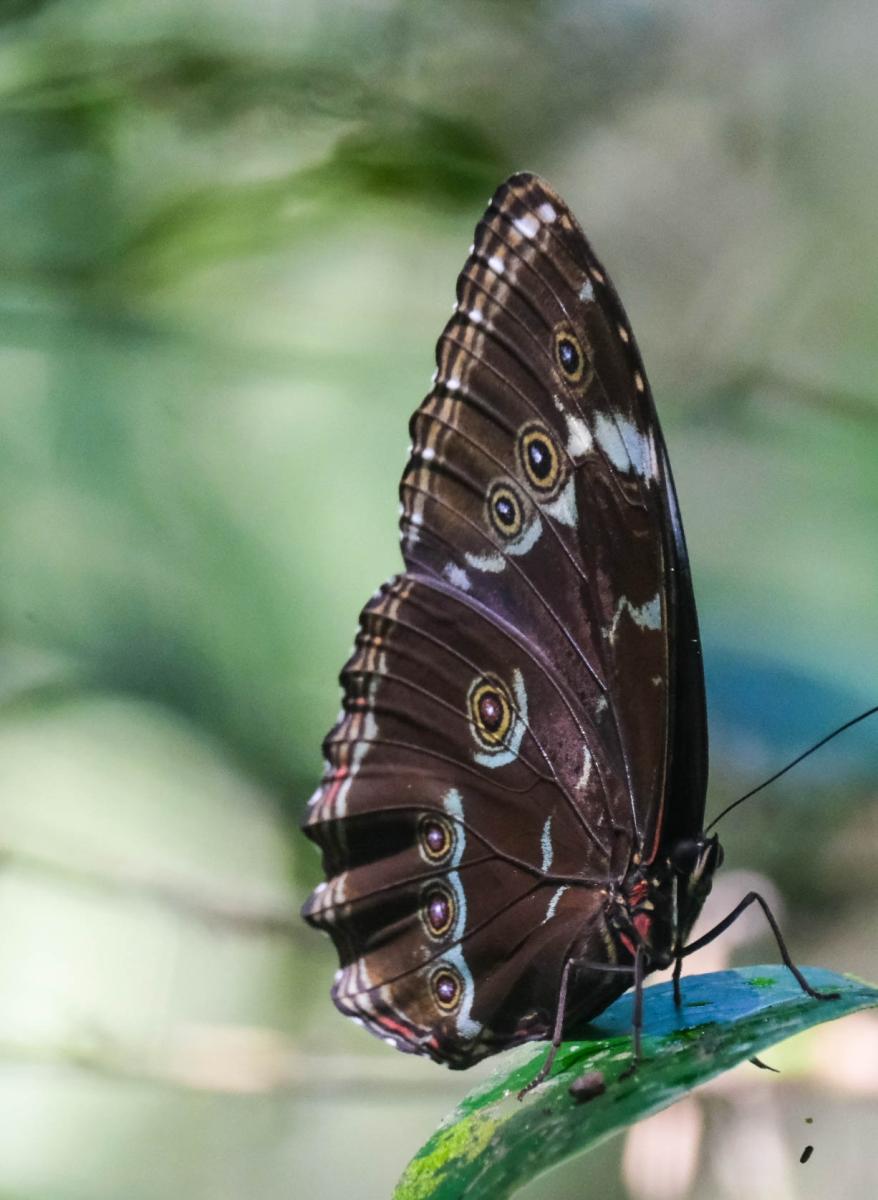
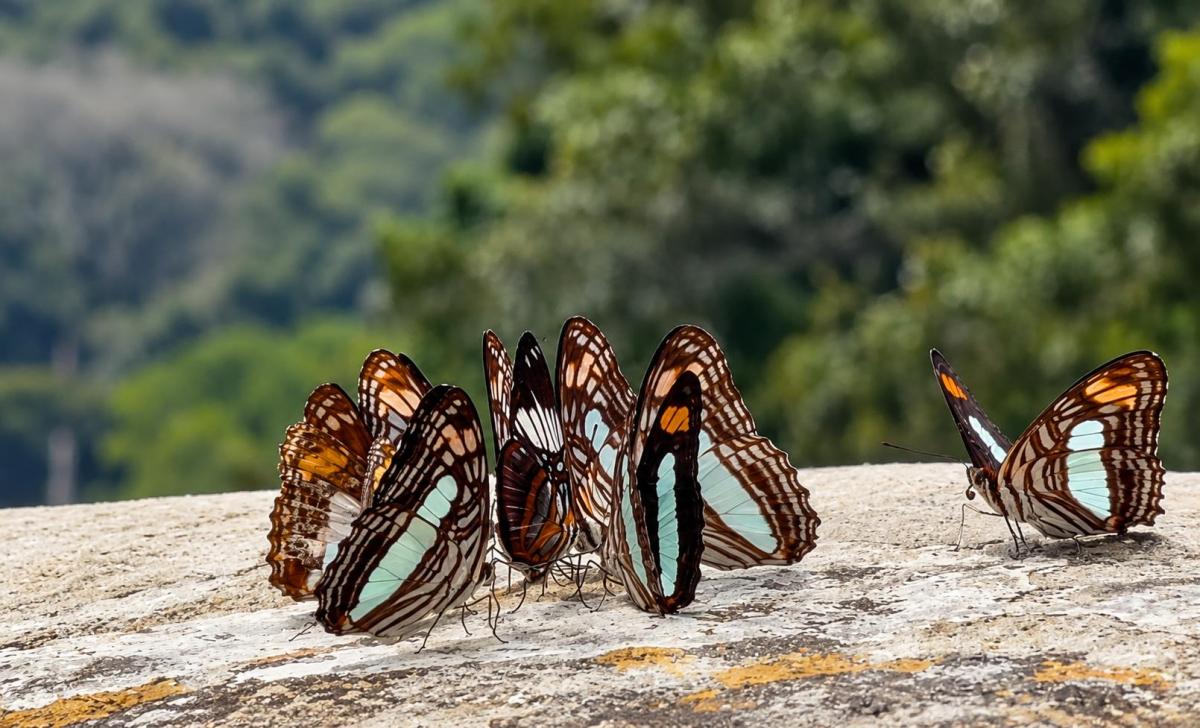
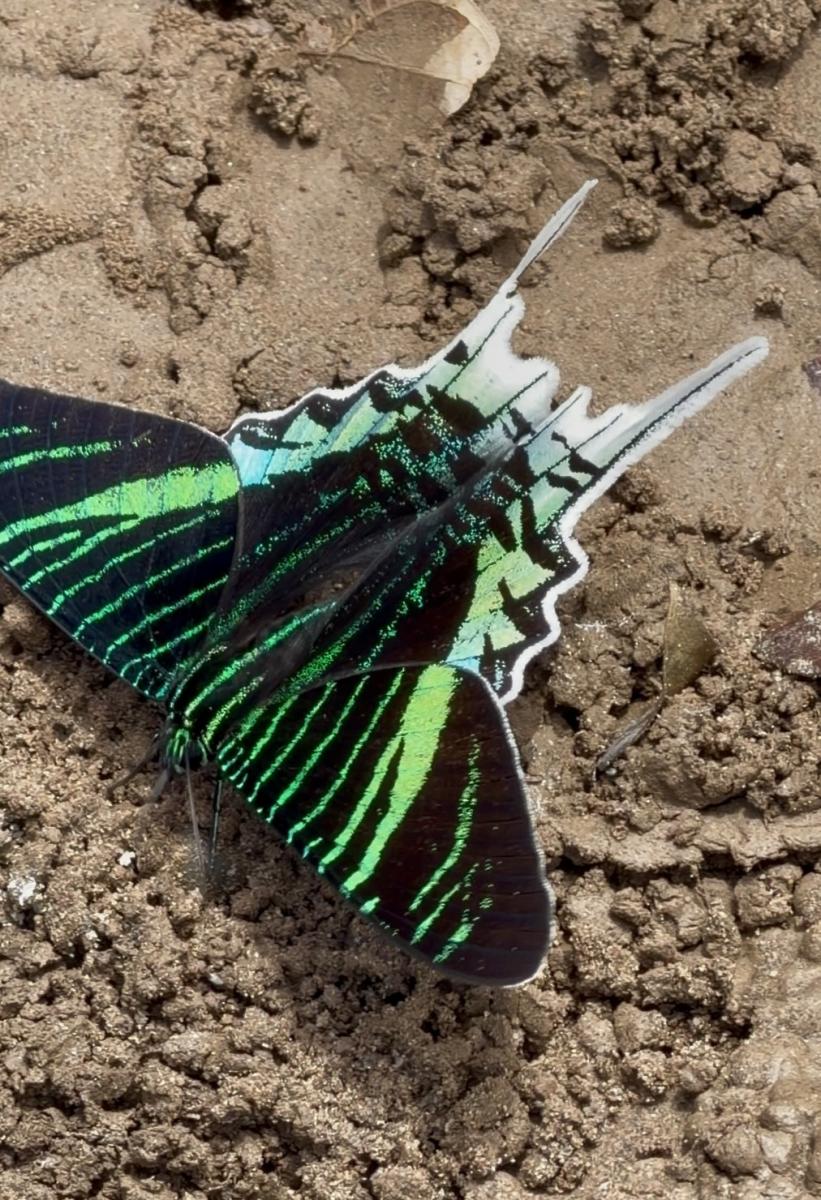
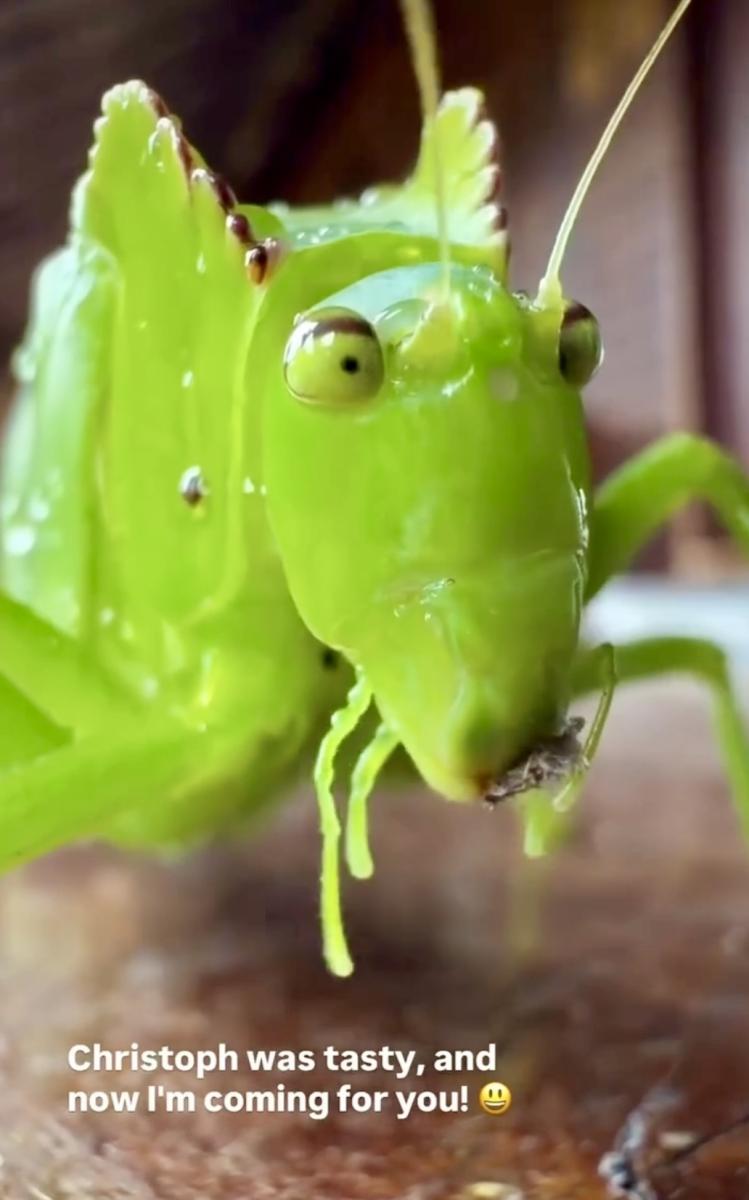
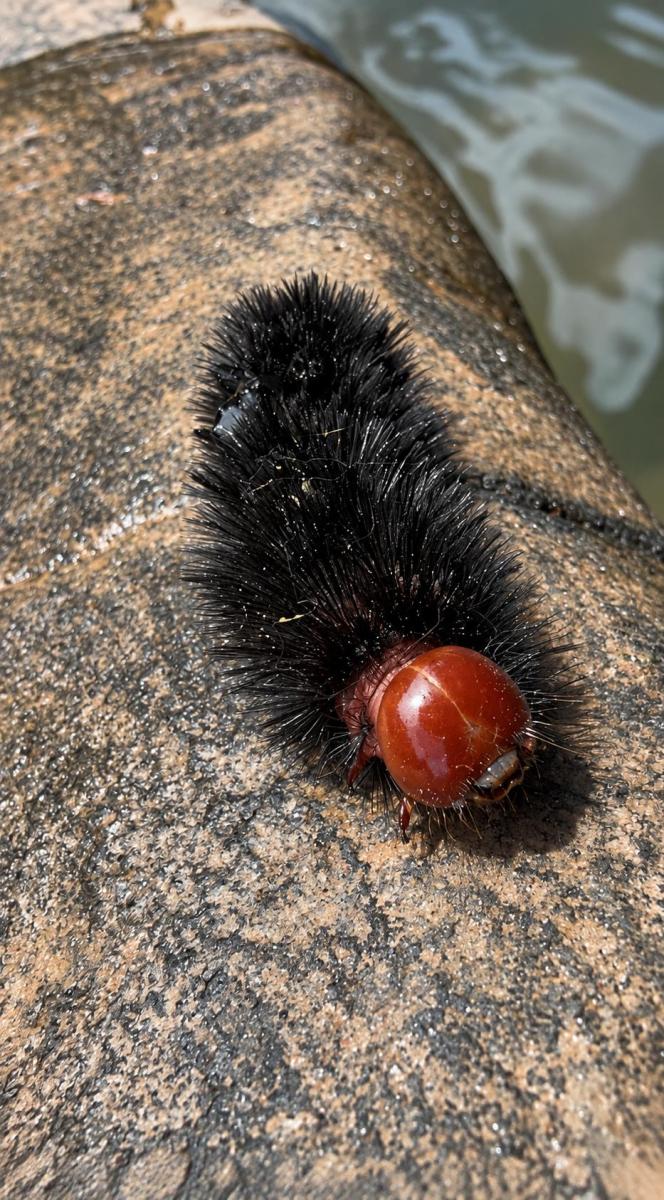
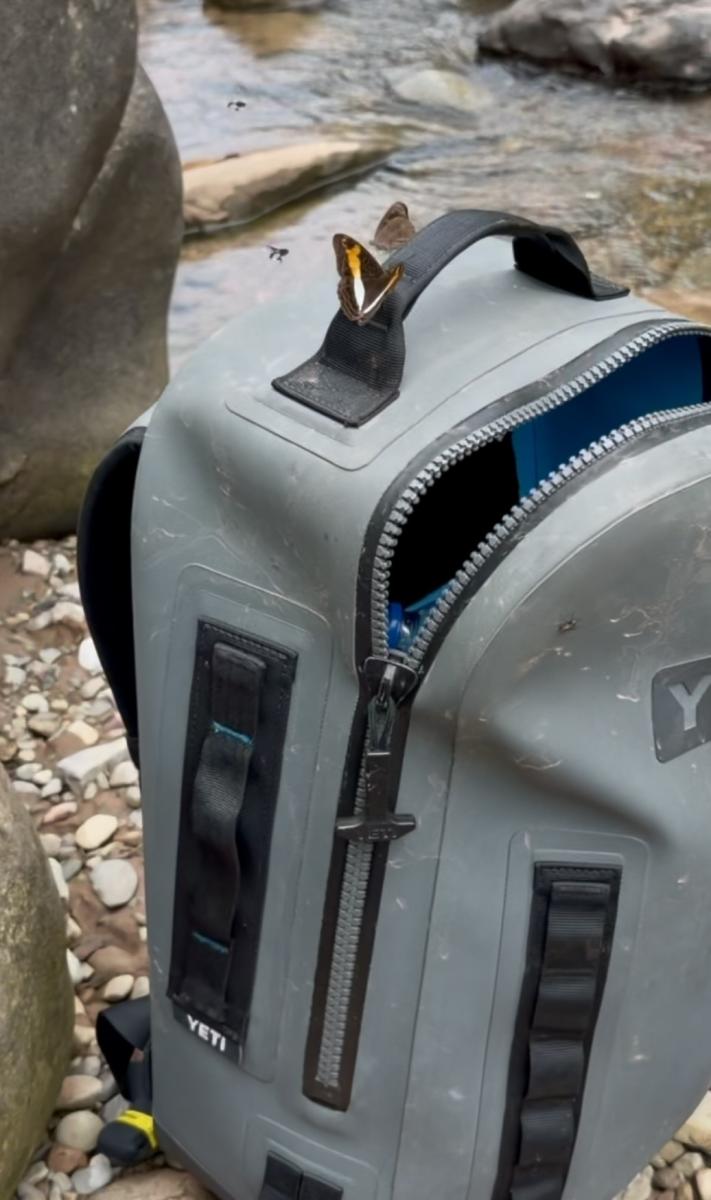
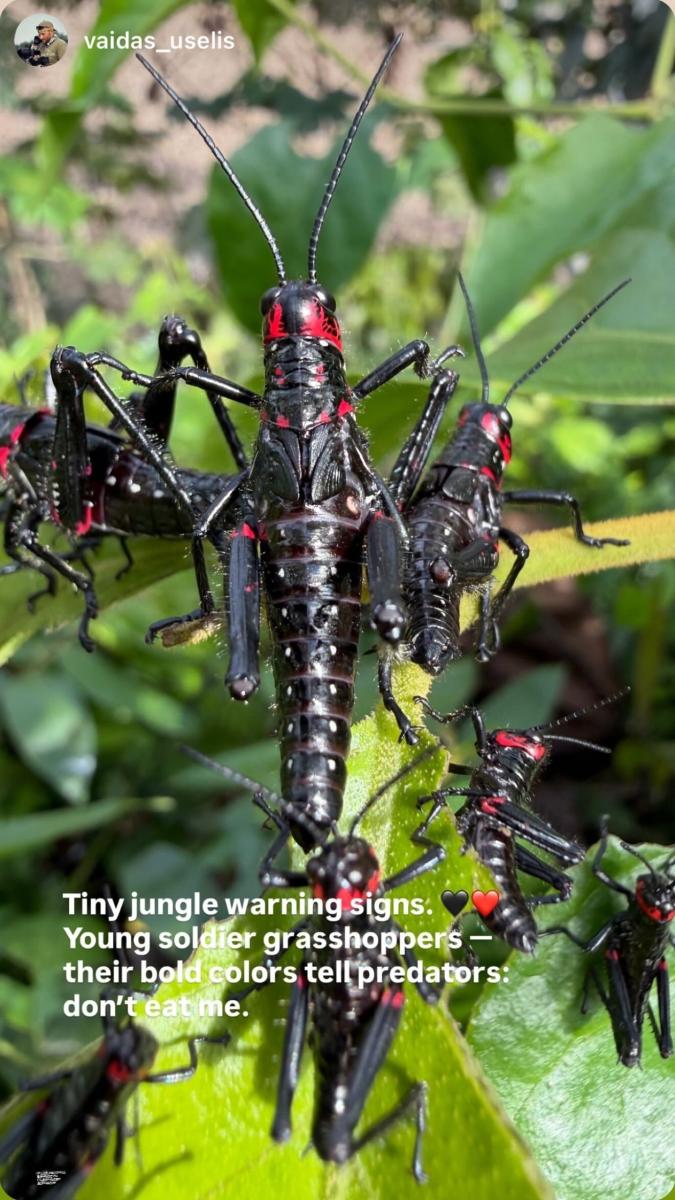
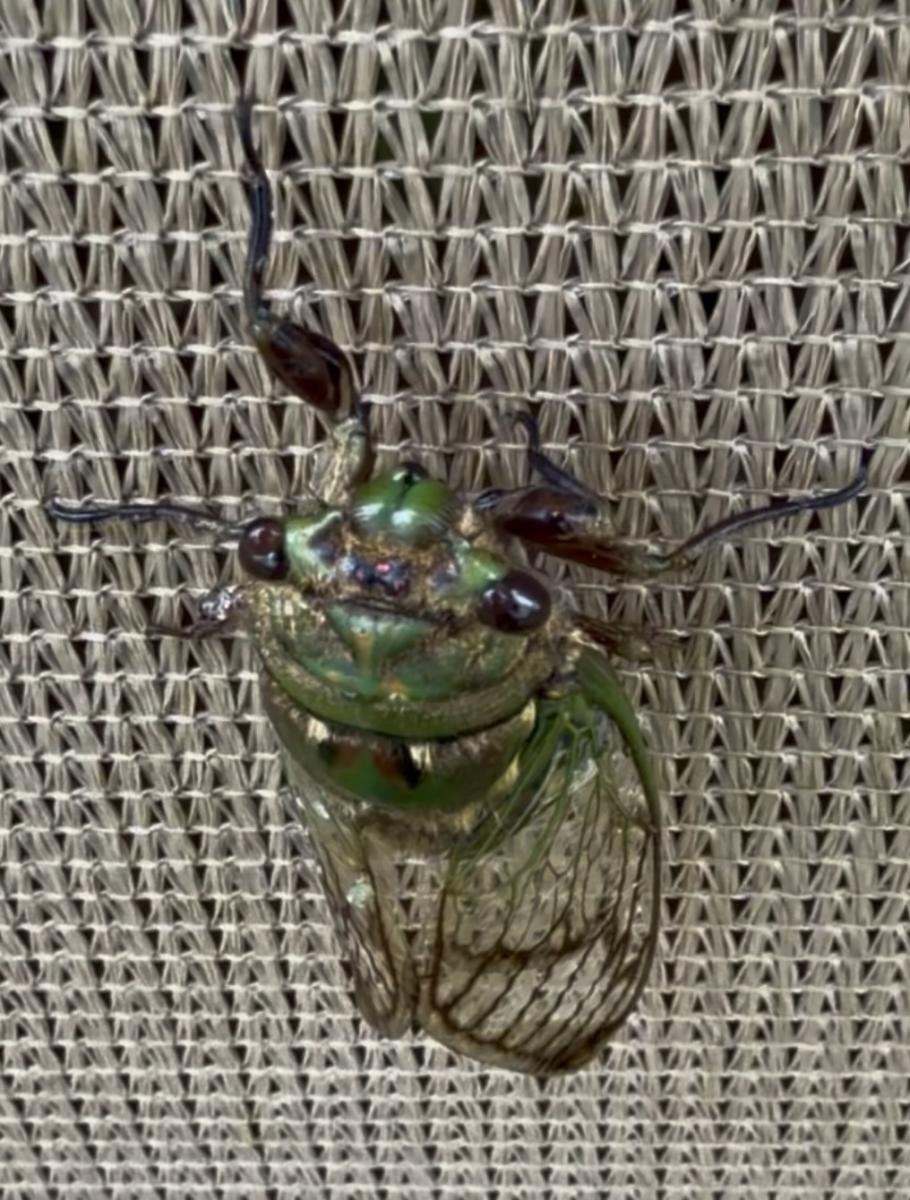
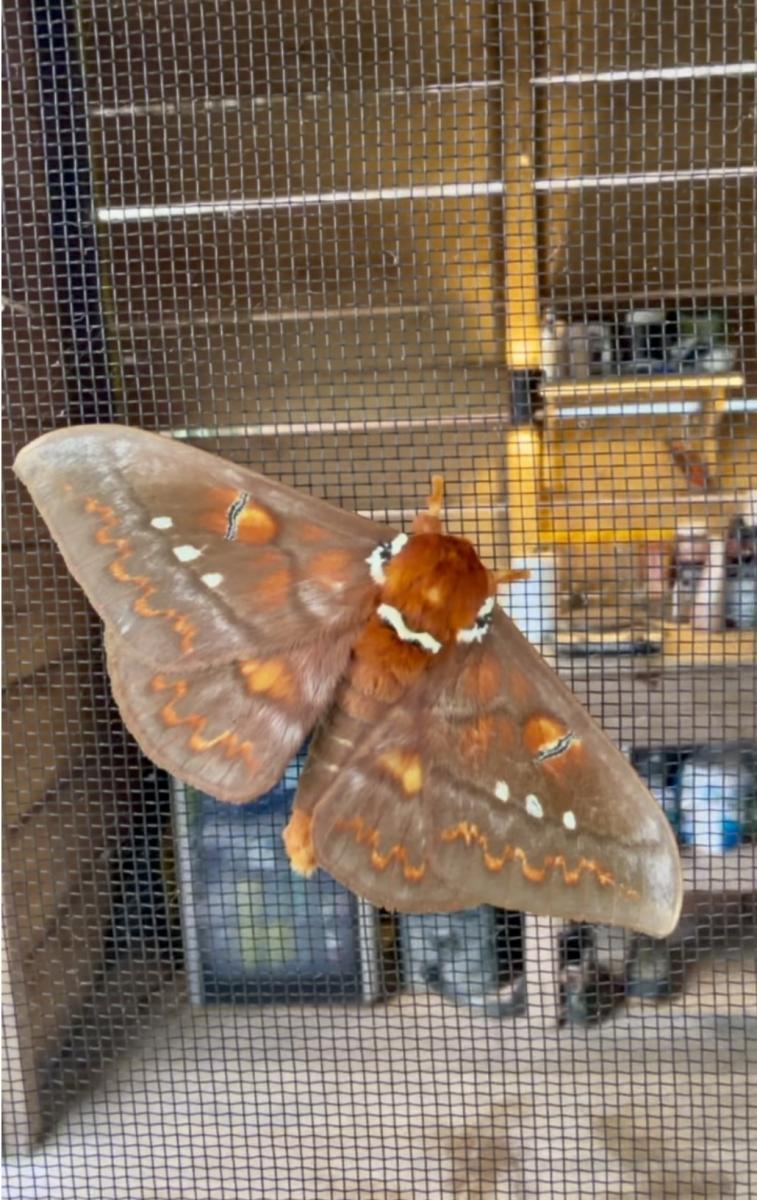
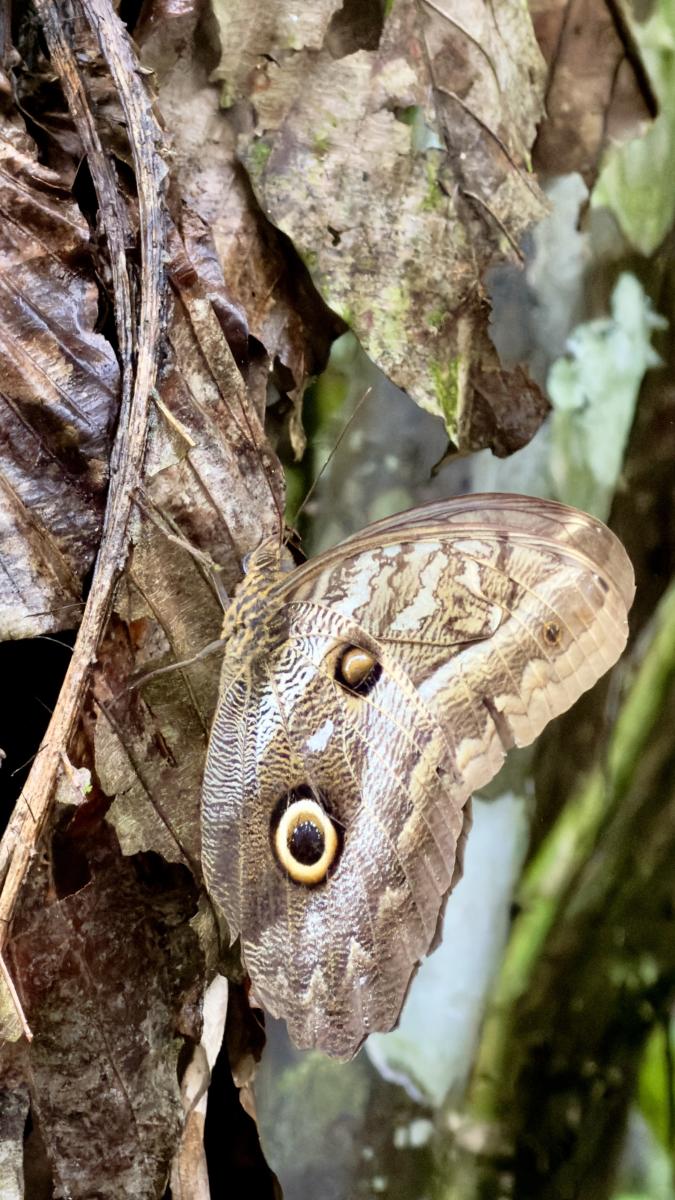
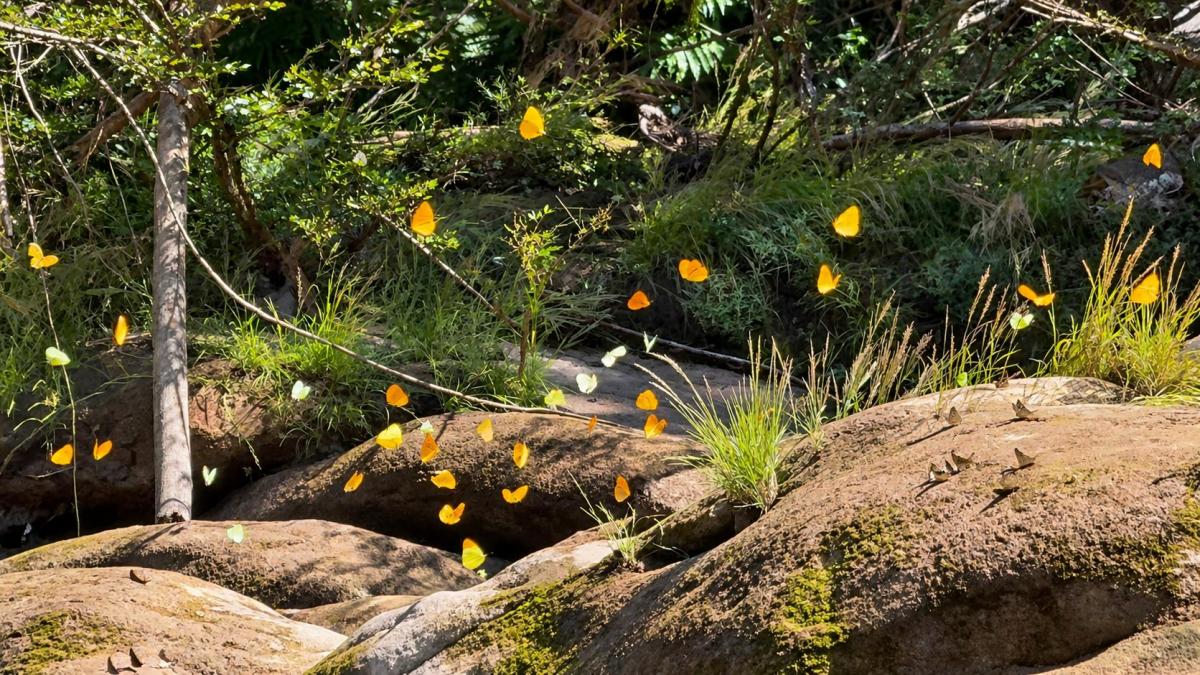
And then there are the butterflies. In some places, you literally find yourself standing among hundreds of them. They cover the sandbanks, fill the air around you and transform certain sections of the river into an almost surreal scene. Of course, the jungle also has its less romantic side. Snakes, spiders, stingrays and countless insects are all part of the experience – some of them venomous. You quickly learn to pay close attention to where you step, where you put your hands and where you move through the water. That combination is exactly what makes Tsimane so fascinating to me. You are not simply here to go fishing. For a few days, you become part of a wild and pristine world where nature still dictates the rhythm of life.



And then the Rain Returned
For four days, the weather remained stable. Temperatures stayed above 30°C and there was no further rain, allowing us to fish hard and explore new stretches of water every day. But this would not be the rainforest if conditions could not change completely within a matter of hours. During the night before our final fishing day, the weather turned again. Severe thunderstorms moved through the region, bringing another round of heavy rain. Fortunately, we were still able to fish for the entire day.
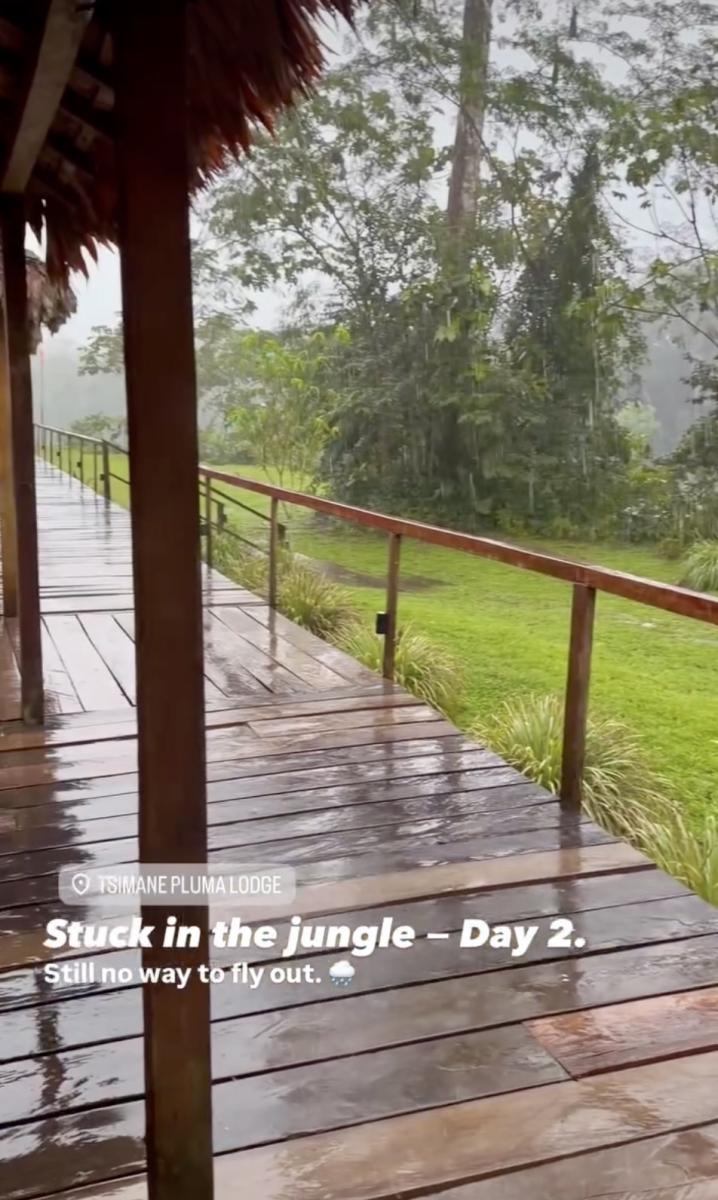
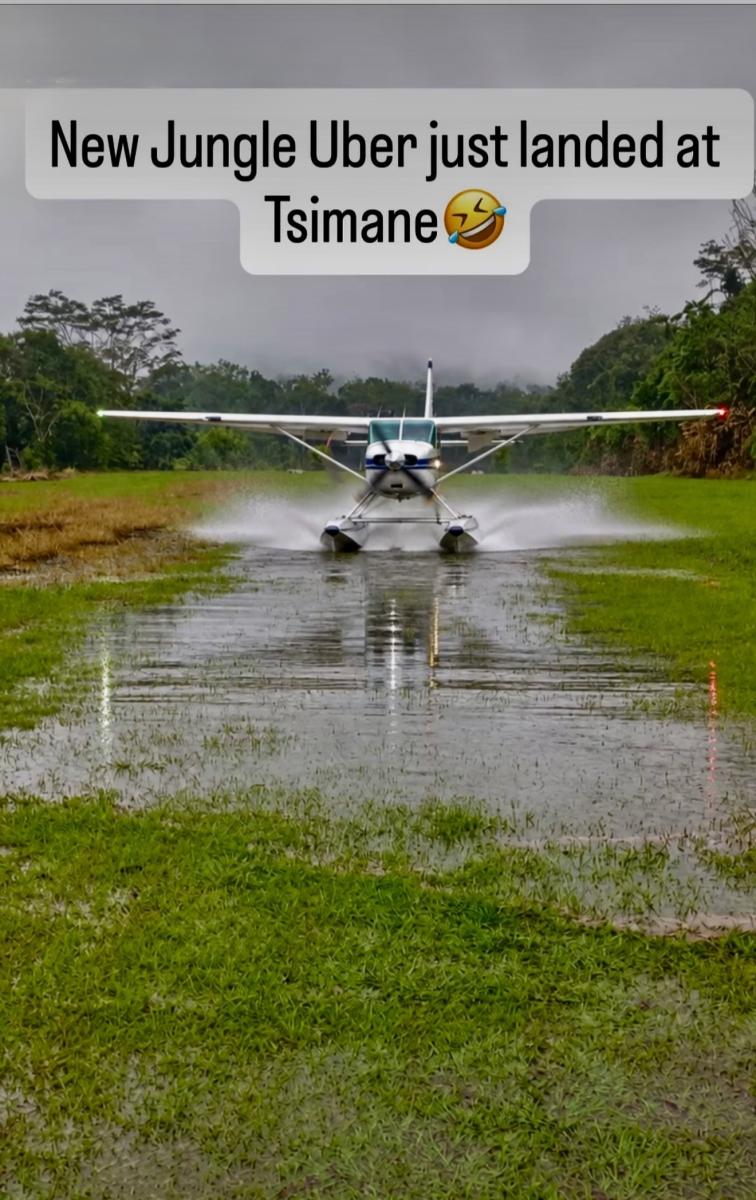
But during the night before our scheduled departure, the heavens really opened. This time, the rain did not stop after a few hours. It continued heavily for almost two days. The consequences were immediate. The airstrip used by our Cessna was completely flooded and could no longer be used. Flying out was impossible. We were stuck in the middle of the Bolivian rainforest. And there was absolutely nothing we could do except wait. That, too, is part of an adventure like this. Out here, the flight schedule does not decide when you leave.
Nature does
In the end, it took another three days before we were finally able to leave the jungle. With a considerable delay – but also with a few more stories to tell -everyone eventually made it safely back home.
Conclusion
Once again, the weather played one of the leading roles on this trip. El Niño added another level of unpredictability to conditions that are already difficult to forecast. Within just a few hours, temperatures and river levels – and therefore the fishing – could change completely. Despite all of this – or perhaps partly because of it – it was once again an incredibly intense experience. Golden Dorado are, of course, the reason you travel to Tsimane with a fly rod. But for me, it has long since become the complete experience that makes this place so special.
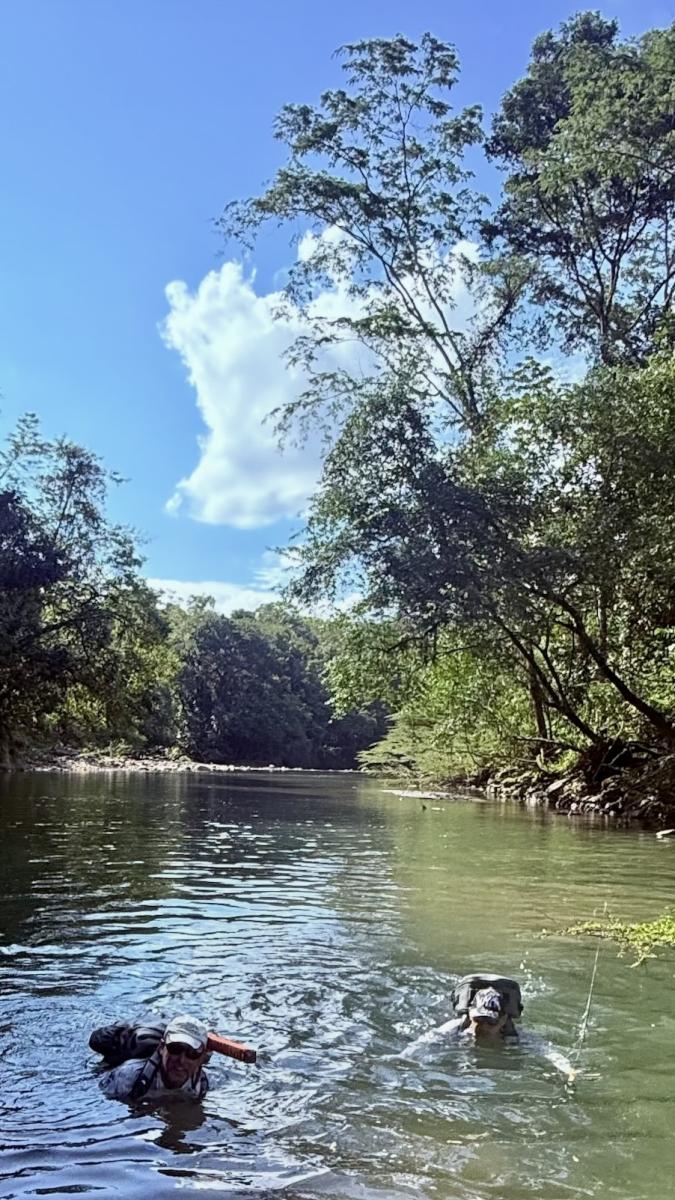
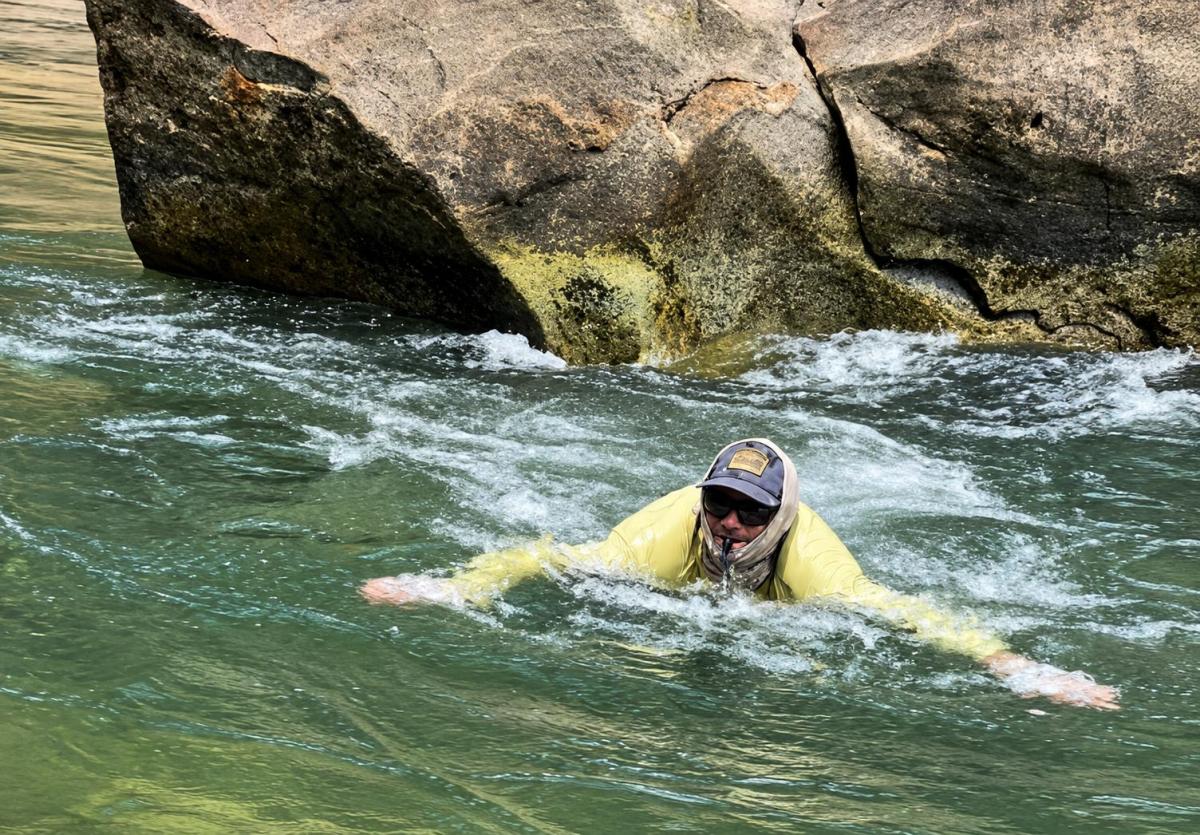
The helicopter flights over endless rainforest. The wild rivers. The sandbanks. The Dorados. Caimans and jaguar tracks. Hundreds of butterflies. Monkeys in the trees. A huge tapir suddenly appearing in the river just a few meters behind you. And that incredible soundscape in the early morning as the jungle wakes up around you. Those are the images and moments that stay with you. It should also be said that a trip like this is not for everyone. A good level of physical fitness and endurance is essential. Walking for hours through rough terrain and dense jungle, swimming several hundred meters in the river and crossing rapids over slippery rocks can be physically demanding.
This is definitely outside the comfort zone
But that is exactly what Tsimane means to me: adventure, wilderness and unpredictability – combined with the opportunity to chase Golden Dorado on the fly in one of the most spectacular environments in South America. And perhaps, in the end, it is the moments away from the fishing that stay with you the longest.
Many thanks to Helmut Zaderer for organizing this extraordinary trip.
My third journey to Tsimane – and once again, an adventure I will never forget
Tight Lines! 🎣
Stephan Kreupl